 श्री गणेशाय नमः
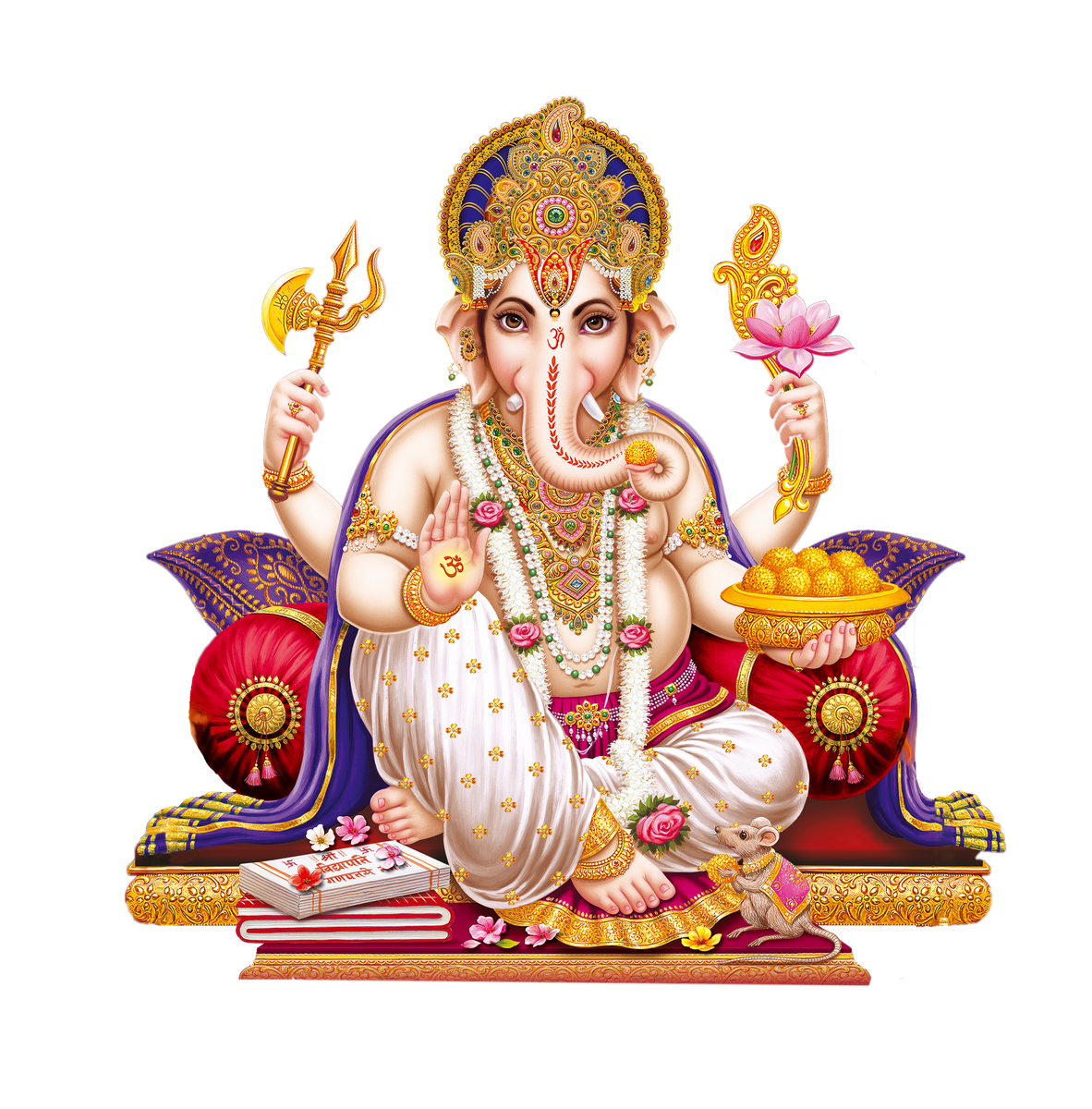
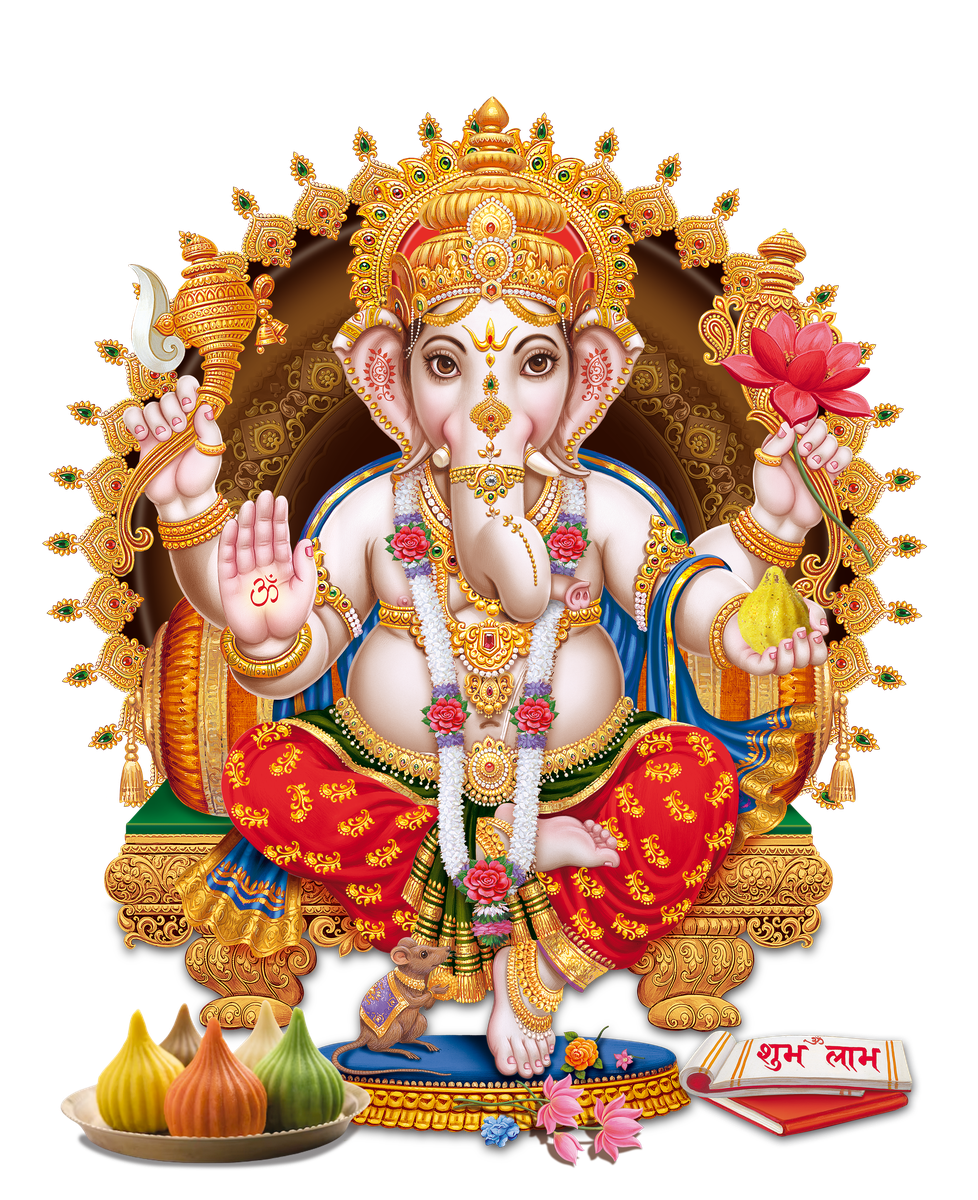
The Ashtavinayak Yatra is a sacred pilgrimage circuit of eight self-manifested Ganesha temples spread across Maharashtra, each with its own legend and unique form of Ganpati.
The word Ashtavinayak means "eight Vinayaks" — eight forms of Lord Ganesha, each enshrined in a temple of great antiquity in the Pune-Ahmednagar-Raigad belt of Maharashtra. What makes these eight temples uniquely sacred is that in every one of them the Ganesha idol is said to be swayambhu, meaning self-manifested, not carved by human hands but revealed from the earth itself. Devotees believe that undertaking the Ashtavinayak Yatra in the traditional order removes obstacles, fulfils wishes, and grants the blessings of Ganesha as Vighnaharta, the remover of obstacles.
The tradition holds that the pilgrimage should begin and end at the same temple, most commonly starting from Morgaon and returning there after visiting all eight, symbolising the completion of a spiritual circle. Each temple's Ganesha carries a distinct name, a distinct posture of the trunk, and a distinct legend connecting the deity to the removal of a particular obstacle or the blessing of a particular devotee in the puranas.
Shri Mayureshwar, Morgaon
Morgaon, near Pune, is considered the adi-peeth, the original and most important of the eight shrines, and traditionally every Ashtavinayak yatra begins and ends here. The presiding deity is Mayureshwar, so named because Ganesha is said to have ridden a peacock (mayura) to defeat the demon Sindhu here. The temple's structure resembles a mosque-like dome from the outside, built during a later era for protection, but inside stands the ancient stone image of Ganesha with a trunk turned to the left and eyes inlaid with diamonds.
Shri Siddhivinayak, Siddhatek
On the banks of the Bhima river stands Siddhatek, where Lord Vishnu is said to have meditated upon Ganesha and received the siddhi (spiritual power) needed to slay the demons Madhu and Kaitabha. This is the only Ashtavinayak temple where the idol's trunk turns to the right, a form considered more powerful and requiring a stricter code of worship and fasting from devotees.
Shri Ballaleshwar, Pali
At Pali stands the unique Ashtavinayak temple named after a devotee, Ballal, rather than after the deity's own form. As a child, Ballal was so absorbed in worshipping a stone as Ganesha that his angry father threw the idol away and tied him to a tree; Ganesha appeared and blessed him, and later manifested permanently at this spot at Ballal's request, taking his name in gratitude for his devotion.
Shri Varadavinayak, Mahad
The Ganesha of Mahad is called Varadavinayak, the giver of boons. Legend says the idol was found in a nearby lake and enshrined here after a devotee's dream instructed him to do so. This temple, with its brass-covered dome and diya lit continuously since its establishment, is known for a rare unbroken flame considered sacred.
Shri Chintamani, Theur
At Theur, near Pune, is enshrined Chintamani, remover of worries, connected to the legend of sage Kapila and the return of the wish-fulfilling gem Chintamani jewel that a greedy prince had stolen. Ganesha recovered the gem and returned it to the sage, who then offered it back to the deity — hence the idol is depicted wearing this jewel.
Quick guide
Before you begin
Mantra
Ganesh mantra
Om Gam Ganapataye Namah
Chant before beginning the puja, aarti, study, business, or any new work.
Bhav
Benefits devotees pray for
FAQ
Common questions
What is the correct order for the Ashtavinayak Yatra?
The traditional order is Morgaon, Siddhatek, Pali, Mahad, Theur, Lenyadri, Ozar, and Ranjangaon, returning finally to Morgaon to complete the circuit.
How many days does the full yatra take?
Most pilgrims complete the full circuit in two to three days by road, though some prefer to spread it across a week for unhurried darshan at each temple.
Why are these idols called swayambhu?
Swayambhu means self-manifested. Unlike temple idols carved and consecrated by artisans, these Ganesha forms are believed to have appeared naturally from stone or earth at each site.
Is there a specific day considered best for this yatra?
Sankashti Chaturthi and Ganesh Chaturthi are considered especially auspicious, though the yatra can be undertaken with devotion at any time of the year.
Seek Ganesha's Blessings
Begin your journey of devotion with a Ganesh puja performed with full vidhi-vidhan on your behalf.