

 Rahu-Ketu Jyotish
Understand what Anant Kaal Sarp Dosh means in a birth chart, its life effects, and the gentle dharmic remedies traditionally used to ease it.
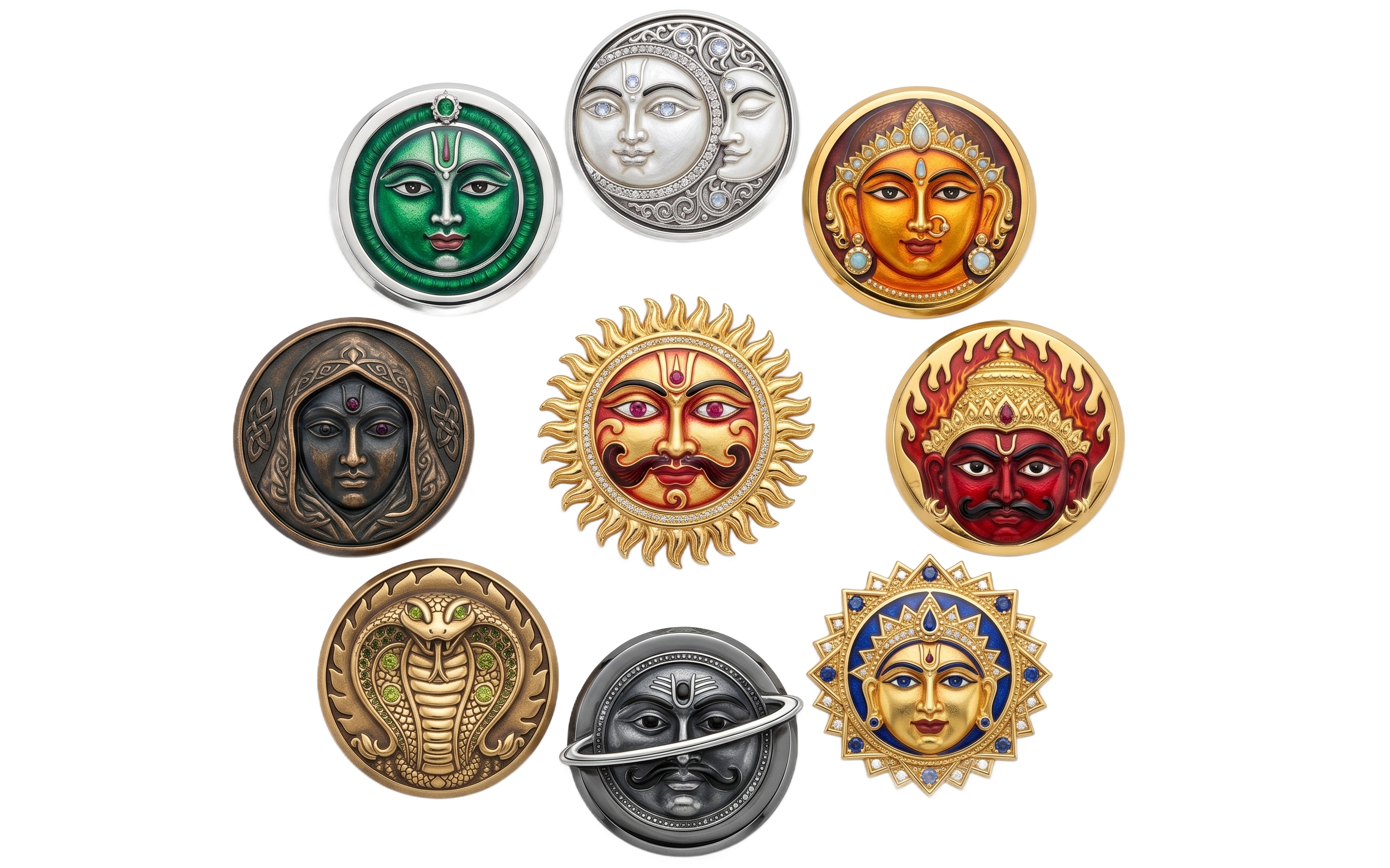
In Vedic astrology, Kaal Sarp Dosh is said to form when all seven classical planets — Surya, Chandra, Mangal, Budh, Guru, Shukra and Shani — are hemmed between the shadow points Rahu and Ketu on one side of the birth chart, like a serpent (sarp) coiling around them. Depending on which house Rahu occupies, this yoga is classified into twelve types, each named after one of the mythological Nagas described in our puranic tradition. Anant Kaal Sarp Dosh is the first of these twelve, and it forms when Rahu is placed in the 1st house (Lagna) of the birth chart and Ketu in the opposite 7th house, with all other planets falling between them.
Who this affects and what it means
The 1st house represents the self — one's physical body, personality, confidence and the very way one presents oneself to the world. The 7th house governs marriage, partnerships and public dealings. When Rahu shadows the 1st house, it can bring an intense, restless, ambitious quality to the personality — a person may feel an unusual drive to prove themselves, sometimes coupled with anxiety about self-image or health in early life. Because Ketu sits in the 7th house of partnerships, relationships and marriage may see periods of detachment, delay, or a feeling of being misunderstood by a spouse or business partner.
It is important to understand that Kaal Sarp Dosh is not a curse and does not doom a person to permanent suffering. Many well-regarded, successful people are found to have this yoga in their charts. Its presence simply indicates a particular kind of karmic pattern — often one involving restlessness, delayed but eventually significant success, and lessons around identity and relationships — that can be softened considerably through sincere dharmic effort.
Common effects associated with Anant Kaal Sarp Dosh
A tendency toward anxiety, restlessness or a feeling of being "incomplete" despite outer achievements. Delays or friction in marriage and long-term partnerships, sometimes with a spouse who feels emotionally distant. Health concerns connected to nervous energy, sleep, or the head/face area in some cases. A strong, sometimes turbulent drive for self-identity, recognition or independence that, once channelled well, can lead to real and lasting accomplishment, often somewhat later in life than usual.
Timeline and life pattern
Classically, the effects of this dosh are said to be more pronounced in the early-to-middle years of life, with gradual easing as the person matures, especially once sincere remedial measures are undertaken and the relevant planetary periods (dashas) of Rahu or Ketu pass. Many devotees experience the dosh's grip loosening notably after the age of 42, though every chart is individual.
Dharmic remedies
Recite the Maha Mrityunjaya Mantra daily, ideally 108 times, as it is one of the most powerful traditional remedies associated with easing Kaal Sarp Dosh in all its forms: Om Tryambakam Yajamahe Sugandhim Pushtivardhanam, Urvarukamiva Bandhanan Mrityor Mukshiya Maamritat.
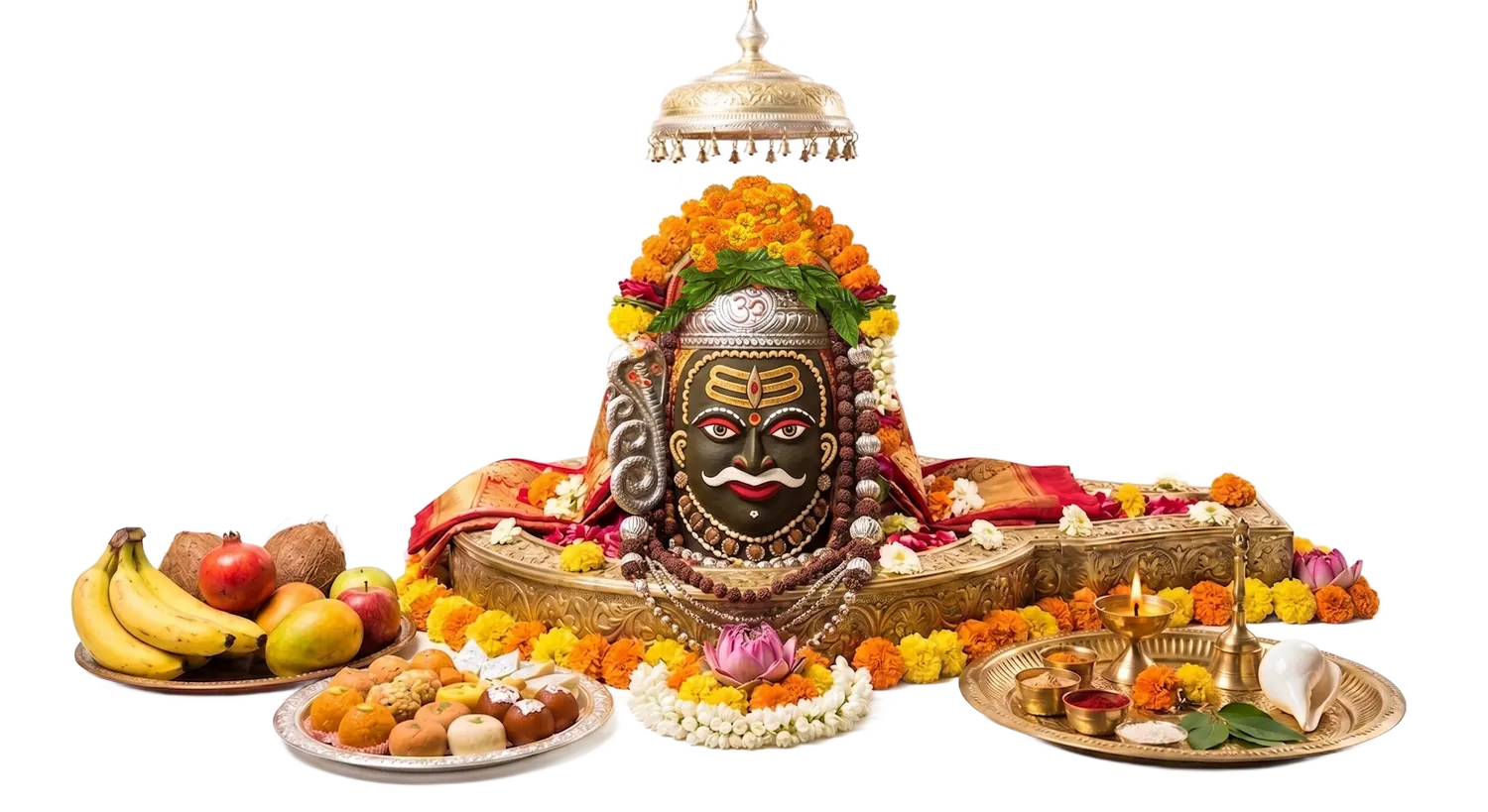
Visit a Shiva temple, especially on Mondays, and offer milk, water and Bilva leaves to the Shivling, since Lord Shiva is traditionally regarded as the one who holds Vasuki and other serpent deities around his neck, making Shiva worship the most trusted remedy for all Kaal Sarp doshas.
Perform Naag Panchami puja with sincerity each year, offering milk to a snake idol or image and reciting Naga stotras.
Wear a Rahu-Ketu associated gemstone only after proper astrological consultation; this is optional and should never be done without guidance.
Chant the Rahu beej mantra "Om Bhram Bhreem Bhraum Sah Rahave Namah" and the Ketu beej mantra "Om Sram Sreem Sroum Sah Ketave Namah" on Saturdays for Rahu and on days recommended for Ketu respectively.
Donate items associated with Rahu such as mustard oil, black sesame, or a blanket to the needy, especially on Saturdays.
Many families also choose to have a Kaal Sarp Dosh Nivaran Puja performed at a sacred site such as Trimbakeshwar, which is traditionally considered especially effective for this dosh, under the guidance of qualified priests.
A gentle disclaimer
This explanation is offered in the spirit of traditional Jyotish knowledge to help you understand a commonly asked-about placement, not as a deterministic prediction of doom. No dosh is permanent or unchangeable, and countless people with this yoga lead full, happy, successful lives. These remedies are rooted in faith and devotion; they are not a substitute for professional medical, legal, financial or psychological advice, and any decisions about health, relationships or major life matters should always also involve appropriate qualified guidance alongside your spiritual practice.
Quick guide
Before you begin
Mantra
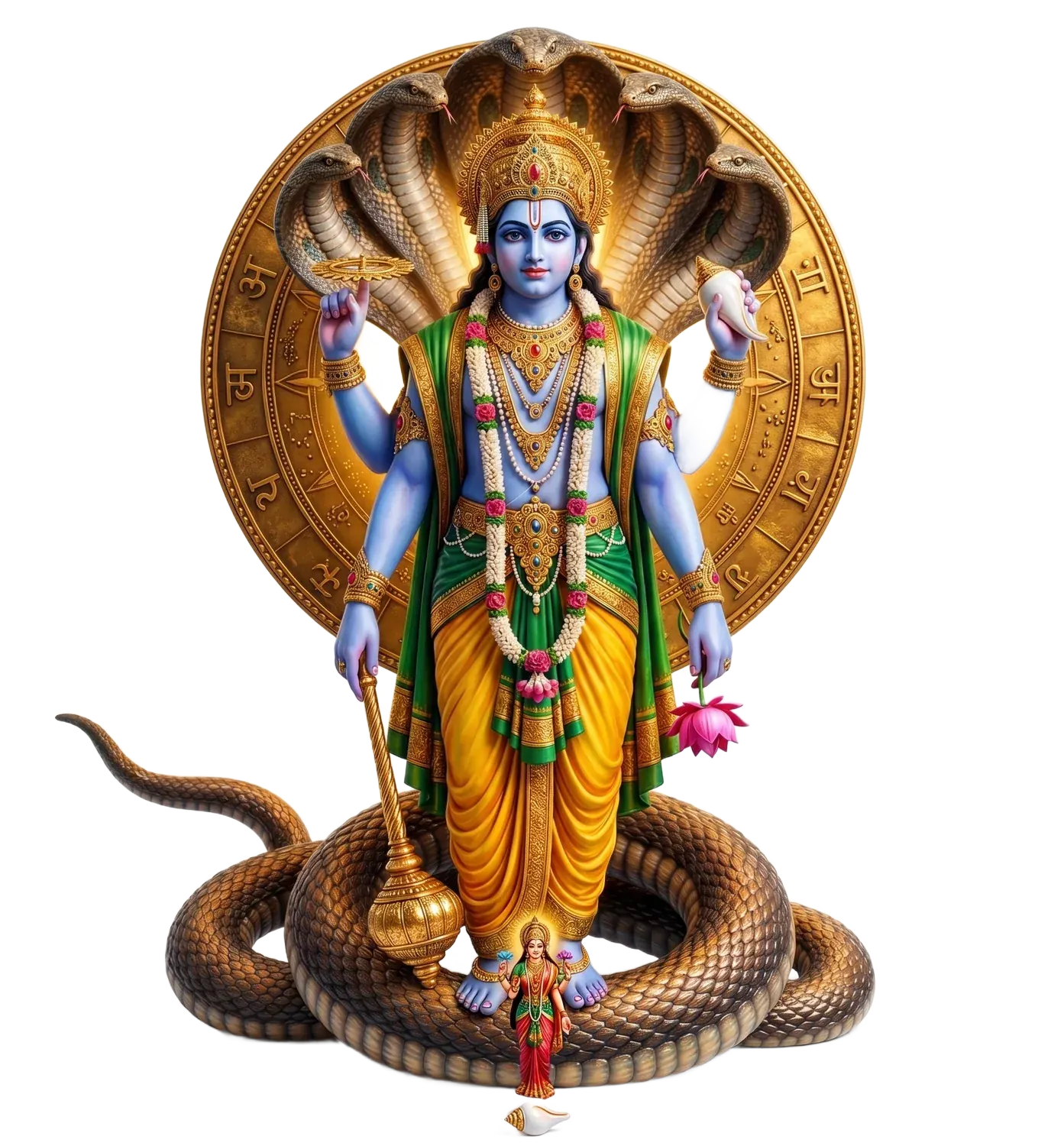
Anant mantra
Om Anantaya Namah
Chant while worshipping Bhagwan Anant for stability, protection, and dharma.
Bhav
Benefits devotees pray for
FAQ
Common questions
Is Anant Kaal Sarp Dosh always harmful?
No. It indicates a particular karmic pattern, not a fixed curse. Many successful, happy people have this yoga in their chart. Its intensity varies from person to person and softens with age and sincere remedies.
How can I confirm if I have this specific dosh?
It requires checking a properly cast birth chart to see if Rahu is in the 1st house and Ketu in the 7th, with all other planets between them. A qualified astrologer can confirm this accurately.
Which is the most important remedy?
Sincere Shiva worship and the Maha Mrityunjaya Mantra are traditionally considered the most powerful and accessible remedies for all forms of Kaal Sarp Dosh.
Does this dosh affect marriage permanently?
It may bring delays or periods of friction in relationships, but with maturity, communication, and remedial practice, most people go on to build stable, fulfilling partnerships.
Ease Kaal Sarp Dosh with a Guided Puja
Invite the calming grace of Lord Shiva through a dedicated Kaal Sarp Dosh Nivaran Puja performed with full vidhi.