
 पितरों की तृप्ति का दिन
Traditional Amavasya upay for pacifying Pitru Dosh, honouring ancestors, and clearing negative energy from home and life, explained with full vidhi.
Amavasya, the new moon day, holds deep significance in Sanatan Dharma as the day most closely associated with our Pitru (ancestors). On this moonless night, the veil between the physical world and the ancestral realm is considered thinnest, making it the most auspicious time in the entire lunar month to remember, honour and offer gratitude to one's forefathers through simple rituals like tarpan (water offerings) and daan (charity).
In Vedic thought, Pitru Dosh - a difficult placement in the birth chart caused by unresolved debts or discomfort of one's ancestors - is believed to manifest as repeated obstacles in career or marriage, chronic family conflicts, delays in having children, unexplained financial struggles, or a persistent sense of unease and instability in the home. Amavasya, and especially certain special Amavasyas like Somvati Amavasya (falling on a Monday), Bhaumvati Amavasya (falling on a Tuesday) or Mahalaya/Sarva Pitru Amavasya during Pitru Paksha, are considered the most powerful days to perform remedies for this.
Who should consider Amavasya upay
Those whose birth chart shows Pitru Dosh, families experiencing repeated unexplained hardship, anyone wishing to simply honour their ancestors as an act of gratitude and dharma, and those seeking to clear a heavy, unsettled feeling from the home are all well-suited to these remedies. Amavasya upay are also traditionally recommended during Pitru Paksha, the fortnight dedicated entirely to ancestral remembrance.
Tarpan - The Foundational Ritual
Tarpan is the offering of water, mixed with black sesame seeds (til) and sometimes barley, to one's ancestors, typically performed facing south (the direction associated with the Pitru Loka) early in the morning. While tarpan is ideally performed under the guidance of a knowledgeable priest at a sacred river bank, in a temple, or with a pandit visiting the home, a simple version can also be done by any devotee:
Take a copper vessel with water, add black til (sesame seeds) and a few grains of barley. Facing south, fold your fingers together (pitru mudra) and pour the water slowly onto the ground or into a plate while mentally invoking your ancestors and requesting their peace, chanting simply:
ओम् पितृभ्यः नमः
This can be done for father's, mother's and grandparents' lineage, remembering them by name if known.
Pind Daan (Understanding the Basics)
Pind Daan is a more elaborate ritual involving offering rice-flour balls (pinda) to ancestors, traditionally performed at sacred sites like Gaya, Haridwar, Varanasi or Prayagraj, or at home under a qualified priest's guidance. It is considered one of the most powerful ways to release ancestors from any unresolved bond and grant them peace. If you cannot travel to a tirtha, many families arrange for pind daan to be performed on their behalf by pandits at these sacred locations - this is a meaningful option worth considering, especially for families with a documented Pitru Dosh.
Amavasya Vidhi at Home
On Amavasya, wake early, bathe, and if possible avoid non-vegetarian food, alcohol and any celebratory or joyous activities for the day, as it is traditionally treated as a solemn, reflective day. Light a mustard-oil or ghee diya facing south in the evening, specifically for your ancestors, separate from your regular puja diya. Offer food (a simple meal - rice, dal, roti) to a cow, a crow (traditionally regarded as a messenger of ancestors), or to Brahmins and the needy, before you eat yourself. Many families also recite the Garuda Purana excerpts on Pitru or simply sit in quiet remembrance, sharing stories of departed elders with younger family members - keeping the family memory and gratitude alive.
Shiva Worship on Amavasya
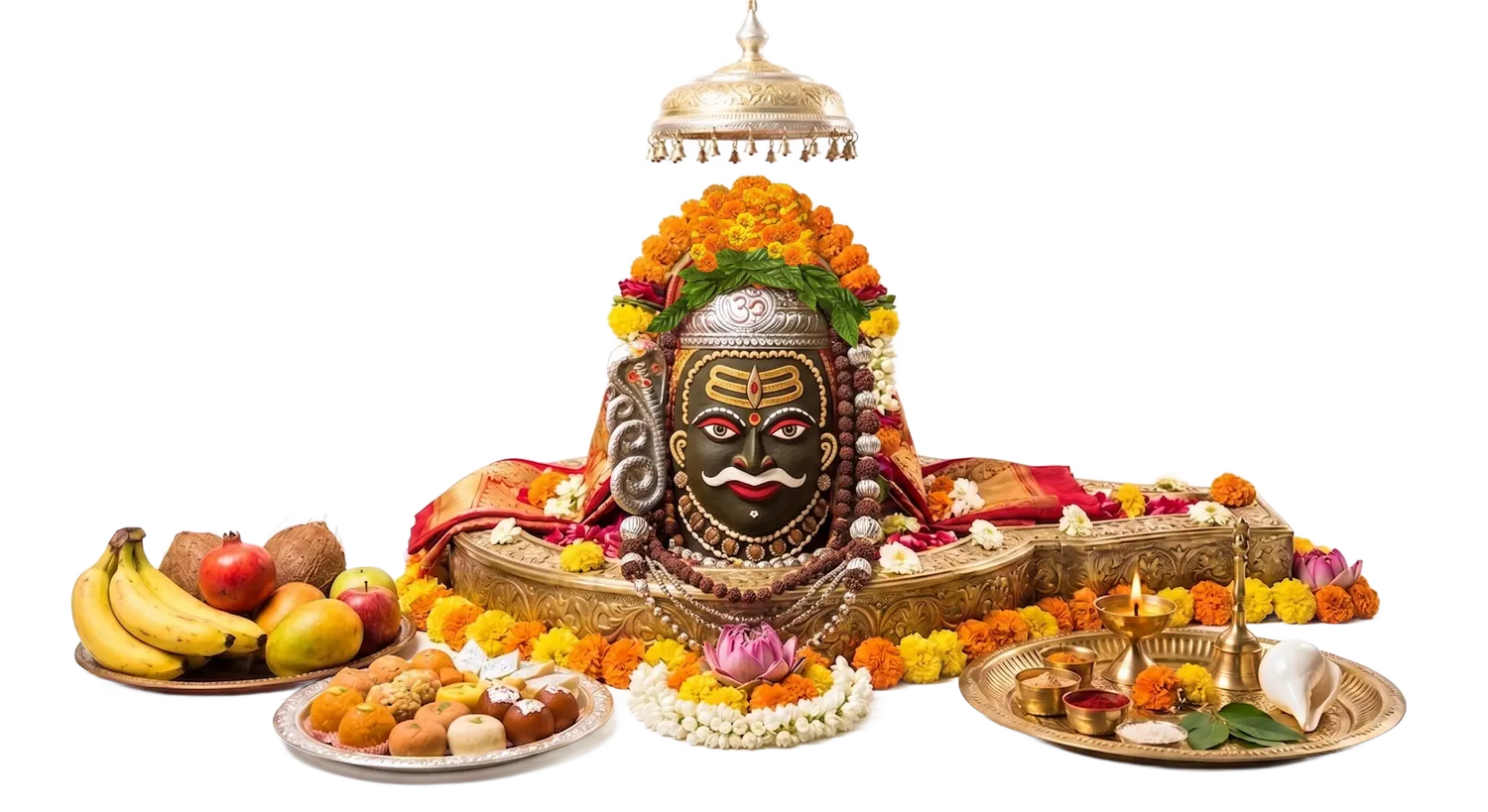
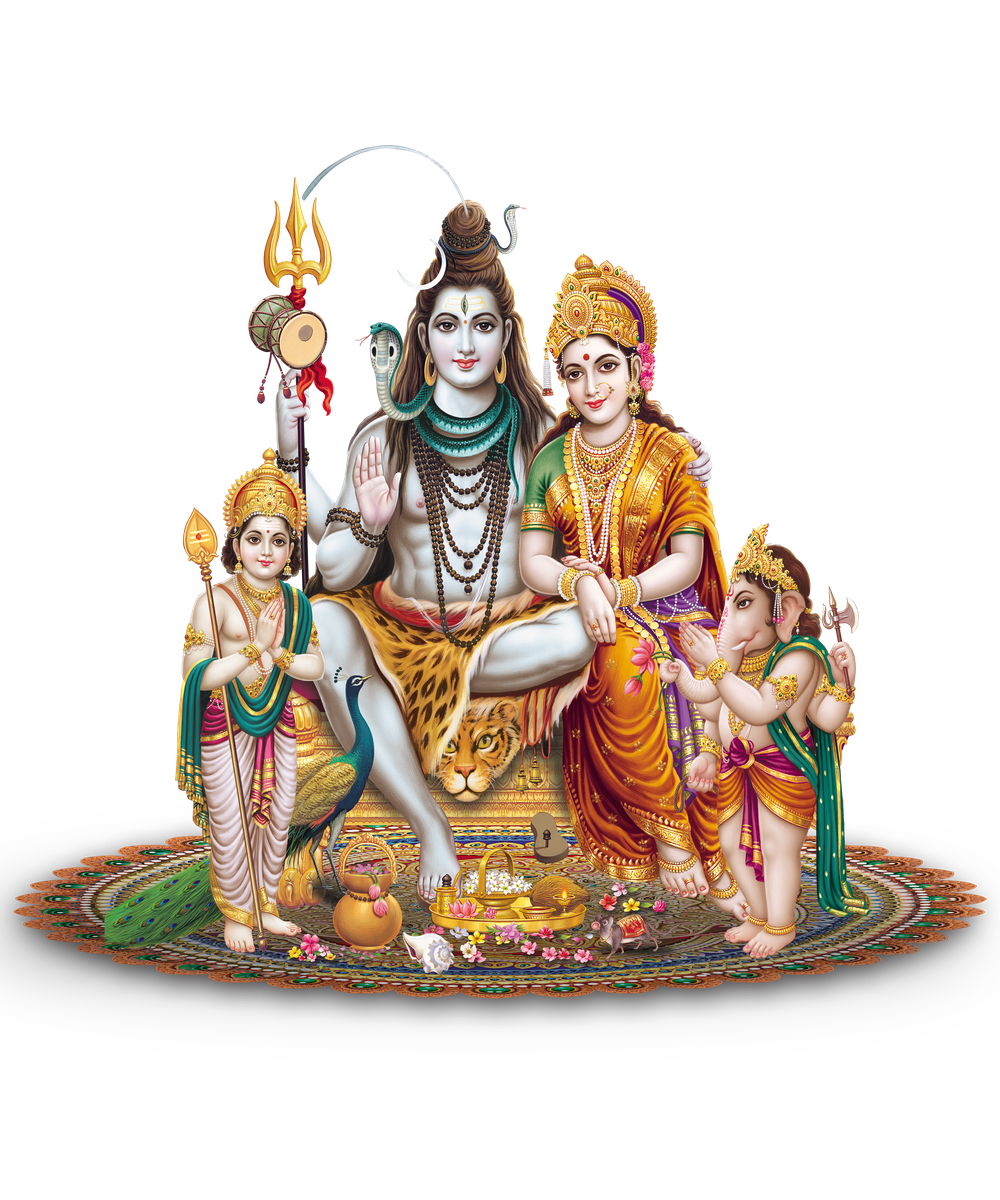
Amavasya is also considered dear to Lord Shiva. Visiting a Shiva temple, offering water (jal) and bel patra on the Shivling, and chanting the Maha Mrityunjaya Mantra is believed to bring protection, peace and the removal of negative energy from home and life:
ओम् त्र्यम्बकं यजामहे सुगन्धिं पुष्टिवर्धनम् उर्वारुकमिव बन्धनान् मृत्योर्मुक्षीय मामृतात्
This mantra can be chanted 11 or 108 times on Amavasya evening for protection and to dissolve negative energy.
Daan (Charitable Donation)
On Amavasya, donate:
Black sesame seeds (til), black urad dal, or black clothes Food, especially to the poor and to Brahmins Oil (mustard or sesame oil) Items useful to elderly people, such as blankets or warm clothing in winter Feeding cows, dogs and crows, which are traditionally associated with ancestral energy
Clearing Negative Energy from the Home
Many households use Amavasya as the day to deep-clean the home, light camphor (kapoor) in each room while chanting Om Namah Shivaya, sprinkle a little Gangajal at the entrance and corners, and burn dhoop or incense throughout the house. This combination of physical cleanliness and mantra is considered especially effective on Amavasya for clearing stagnant or heavy energy.
Important Dos and Don'ts
Avoid starting new major ventures, house-warmings, or auspicious ceremonies on Amavasya, as it is traditionally reserved for ancestral remembrance rather than celebration. Do not disrespect or turn away a hungry person, beggar, or animal at your door on this day - traditionally believed to be a form of ancestors seeking to be fed. Avoid cutting hair or nails on Amavasya in many traditions. Maintain a calm, respectful atmosphere at home rather than arguments or loud celebrations.
A Gentle Reminder
These are sacred, time-honoured practices meant to express gratitude to those who came before us and to bring a sense of peace, humility and rootedness to our lives. They are acts of faith and remembrance, not guarantees of specific outcomes, and should never replace medical treatment for health concerns, legal counsel for family disputes, or financial planning for material struggles. If Pitru Dosh or ancestral matters are causing you deep distress, it is always worthwhile to also speak with a qualified astrologer or priest for a fuller, chart-specific understanding, alongside these general remedies.
Many families who observe simple Amavasya tarpan and daan consistently, especially during Pitru Paksha, describe a gradual sense of lightness, resolution of long-standing family tension, and renewed stability over time - the practice itself, performed with sincerity and gratitude, is considered its own quiet blessing.
Quick guide
Before you begin
Mantra
Shiva mantra
Om Namah Shivaya
Chant with a quiet mind, especially on Monday, Pradosh, or during Shiva puja.
Bhav
Benefits devotees pray for
FAQ
Common questions
What is the correct direction and time to perform tarpan?
Tarpan is traditionally performed early in the morning, facing south, which is the direction associated with the Pitru Loka (ancestral realm). Using a copper vessel with water, black sesame seeds and a little barley is customary.
What is the difference between tarpan and pind daan?
Tarpan is a simple water offering that can be done by any devotee at home, while pind daan is a more elaborate ritual involving rice-flour ball offerings, traditionally performed at sacred sites like Gaya under a qualified priest's guidance, considered especially powerful for resolving Pitru Dosh.
Which Amavasya is considered most powerful for Pitru Dosh remedies?
Somvati Amavasya (falling on Monday), Bhaumvati Amavasya (falling on Tuesday) and Sarva Pitru Amavasya during Pitru Paksha are considered especially powerful, though sincere tarpan and daan on any Amavasya is beneficial.
Can I perform these remedies if I don't know my ancestors' exact names?
Yes, you can offer tarpan and prayers generally to your paternal and maternal lineage using terms like Pitru Devta without needing exact names. Sincerity and intention matter most in this practice.
Perform Pitru Shanti with a Guided Puja
Let our pandits perform a dedicated tarpan, Pitru shanti puja and sankalp on your behalf, following full traditional vidhi at sacred locations.