
 जय माता दी
A complete guide to the 51 Shakti Peeths of the Goddess, the story of Sati's sacrifice, and how these sacred sites came to be across the Indian subcontinent.
The Shakti Peeths are among the most powerful and revered pilgrimage sites for worshippers of the Divine Mother across Sanatan Dharma. Scattered across the Indian subcontinent, from Kashmir to Sri Lanka, from Gujarat to Assam, these fifty-one sacred spots mark the places where, according to legend, parts of Goddess Sati's body fell to earth, transforming ordinary land into eternally living centres of Shakti, the divine feminine energy.
The Story Behind the Shakti Peeths
The origin of the Shakti Peeths is tied to one of the most poignant stories in Hindu mythology. Sati, the daughter of King Daksha, married Lord Shiva against her father's wishes. Daksha, resentful of Shiva, organised a grand yagna and deliberately did not invite Sati or Shiva. Despite Shiva's warnings, Sati went to her father's house uninvited, hoping to reconcile the family. There, Daksha publicly insulted Shiva in front of all the assembled gods and sages.
Unable to bear the humiliation of her husband, and consumed by grief and rage, Sati invoked her own yogic fire and immolated herself in the sacrificial flames. When Shiva learned of this, His sorrow turned to unbearable fury. He manifested His fierce form, lifted Sati's body, and began the Rudra Tandava, a cosmic dance of destruction and grief, wandering the universe with her body, threatening the balance of creation itself.
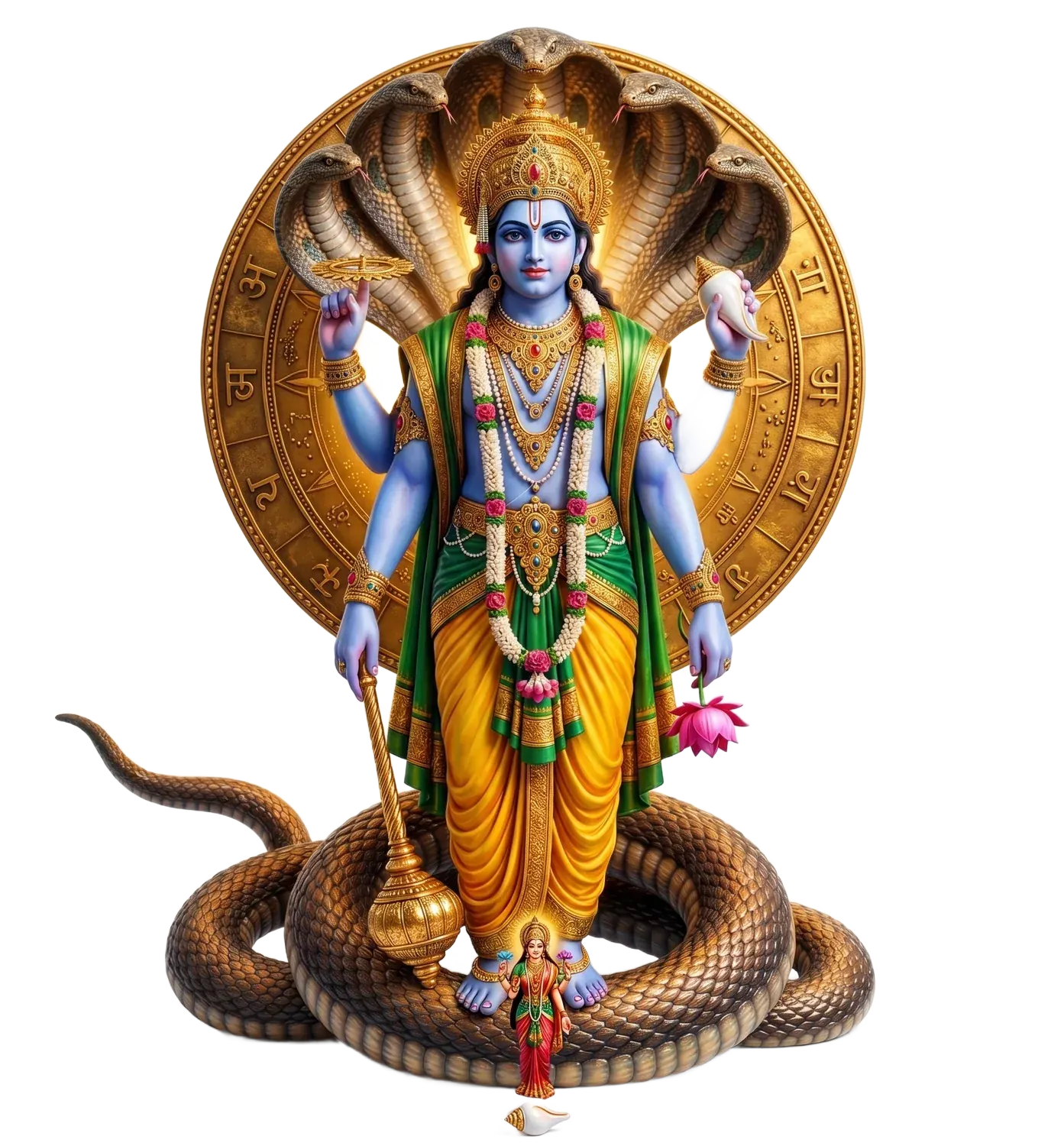
To calm Shiva and restore cosmic order, Lord Vishnu discharged his Sudarshan Chakra, cutting Sati's body into fifty-one pieces as Shiva carried it. Wherever a body part or an ornament fell, that spot became sanctified as a Shakti Peeth, and the presiding male deity (Shiva) at each location came to be known as a form of Bhairava, guarding the goddess.
Notable Shakti Peeths Across India
Kamakhya, Assam One of the most powerful Peeths, where Sati's womb and reproductive organ are believed to have fallen. Kamakhya is central to Tantric worship and is famous for the Ambubachi Mela, celebrating the goddess's menstrual cycle as a symbol of creation and fertility.
Vaishno Devi, Jammu & Kashmir Though sometimes classified separately, Vaishno Devi in the Trikuta hills is among the most visited Shakti pilgrimage sites in India, drawing millions of devotees who trek to seek the Mother's blessings.
Kalighat, Kolkata, West Bengal Believed to be where Sati's right toe fell, Kalighat is dedicated to Goddess Kali and is one of the most significant Peeths in eastern India.
Jwalamukhi, Himachal Pradesh Here Sati's tongue is said to have fallen. The temple is unique for having no idol - instead, the goddess is worshipped as an eternal flame that burns naturally from the rock.
Kamakhya, Naina Devi, Chintpurni, Jwalaji and Mansa Devi collectively make up the famous Shakti circuit of Himachal Pradesh and Punjab region, drawing devotees especially during Navratri.
Mahalakshmi, Kolhapur, Maharashtra Associated with the fall of Sati's eyes in some traditions, this Peeth is dedicated to Goddess Mahalakshmi and is a major pilgrimage centre in Maharashtra.
Ambaji, Gujarat Believed to mark where Sati's heart fell, Ambaji Mata Temple in Banaskantha is one of the most visited Shakti Peeths in western India.
Other significant peeths span across Bangladesh (Sri Sail, Chattal), Pakistan (Hinglaj), Sri Lanka (Indrakshi), Nepal (Guhyeshwari), and nearly every region of India including Odisha, Bihar, Bengal, Tamil Nadu, and Uttar Pradesh - illustrating how the tradition of Shakti worship unites the entire subcontinent.
Significance of the Shakti Peeths
Each Shakti Peeth is considered a living, breathing centre of divine feminine energy, not merely a memorial. Devotees believe the Goddess is directly present and actively listening at each of these sites. Together, the fifty-one Peeths represent the idea that the Divine Mother's power pervades the entire land, protecting and nurturing every corner of the subcontinent.
How Devotees Worship at Shakti Peeths
Worship typically involves offering red chunri (cloth), vermilion (sindoor), flowers, coconut, and sweets to the goddess. Chanting the Devi Mahatmya, Durga Saptashati, or simple mantras like "Om Dum Durgayei Namah" is common. During Navratri, many devotees specifically undertake journeys to nearby Shakti Peeths, believing the goddess's energy is at its peak during these nine sacred nights.
For Devotees Who Cannot Visit in Person
Given that the fifty-one Peeths are scattered across an entire subcontinent and beyond, few devotees manage to visit all of them in a lifetime. Tradition holds that the Divine Mother, being omnipresent, accepts devotion offered from anywhere with equal grace. Many devotees perform Durga puja, chadhava, or simply chant Her names from home on auspicious days like Navratri, trusting that sincere bhakti reaches Her regardless of physical distance.
Frequently Asked Questions
Why are there exactly 51 Shakti Peeths? According to the most widely followed tradition, Vishnu's Sudarshan Chakra cut Sati's body into fifty-one parts, each falling at a different location, giving rise to fifty-one sacred sites. Some texts mention slightly different numbers (4, 18, or 108) depending on the scripture followed.
What is a Bhairava in relation to a Shakti Peeth? At each Shakti Peeth, a form of Shiva known as Bhairava is present alongside the Goddess, believed to guard and protect the sacred site.
Are all 51 Shakti Peeths in India? No, several are located in present-day Pakistan, Bangladesh, Sri Lanka, and Nepal, reflecting the broader undivided cultural and spiritual geography of ancient Sanatan Dharma.
Which is considered the most powerful Shakti Peeth? Kamakhya in Assam is widely regarded as one of the most powerful due to its association with the goddess's creative and reproductive energy, though devotees hold deep reverence for all fifty-one equally.
Quick guide
Before you begin
Mantra
Devi mantra
Om Dum Durgaye Namah
Chant 11, 21, or 108 times according to your time and capacity.
Bhav
Benefits devotees pray for
FAQ
Common questions
Why are there exactly 51 Shakti Peeths?
Vishnu's Sudarshan Chakra cut Sati's body into fifty-one parts, each falling at a different location, giving rise to fifty-one sacred sites.
What is a Bhairava in relation to a Shakti Peeth?
At each Shakti Peeth, a form of Shiva known as Bhairava is present alongside the Goddess, believed to guard the sacred site.
Are all 51 Shakti Peeths in India?
No, several are in present-day Pakistan, Bangladesh, Sri Lanka, and Nepal, reflecting undivided ancient Sanatan geography.
Which is the most powerful Shakti Peeth?
Kamakhya in Assam is widely regarded as one of the most powerful, though devotees hold deep reverence for all fifty-one equally.
Offer Devi Puja From Wherever You Are
Cannot visit a Shakti Peeth right now? Book an authentic Devi puja and chadhava performed by qualified pandits with your personal sankalp.