 देवमणि रुद्राक्ष
Known as Devamani, the fourteen-faced rudraksha is considered the rarest and most powerful of all rudraksha, worn by devotees seeking Shiva's highest spiritual protection.
The Chaudah Mukhi Rudraksha, bearing fourteen natural lines, is often called Devamani — the jewel of the gods — and is considered among the rarest and most potent beads in rudraksha tradition. It is believed to have emerged directly from the third eye (the seat of intuition and higher wisdom) of Lord Shiva, and is closely associated with Lord Hanuman as well in certain schools of thought, since Hanuman is regarded as a foremost devotee empowered by Shiva's own energy.
Mythological Significance
According to the Shiva Purana, the fourteen faces of this rudraksha symbolise the fourteen worlds (Chaturdash Bhuvan) of Hindu cosmology, and its ruling planet is Saturn (Shani), lending it a dual dimension — spiritual elevation from Shiva's grace, combined with karmic discipline from Shani's influence. It is often described as awakening the wearer's third eye, sharpening intuition, foresight, and the ability to make sound decisions in complex situations.
Key Benefits
Heightened intuition and clarity: The most celebrated benefit of the 14 Mukhi Rudraksha is its association with awakening inner wisdom, helping the wearer sense the right path in confusing or high-stakes situations.
Protection from evil influences: It is traditionally regarded as one of the most powerful protective beads, shielding the wearer from negative energies, black magic, and ill will directed by others.
Support in leadership and decision-making: Because it sharpens discernment, it is favoured by those in positions of authority, business leaders, and decision-makers who must weigh complex choices.
Relief in difficult Saturn periods: Like other Shani-linked rudraksha, it is worn during Sade Sati or Shani Dhaiya as a spiritual support, easing the psychological burden of prolonged hardship.
Spiritual awakening: Advanced practitioners of meditation and sadhana often wear this bead to deepen their connection to higher consciousness and to support long-term spiritual practice.
Emotional balance under pressure: It is believed to help the wearer stay composed and clear-headed during periods of stress, uncertainty, or major life transitions.
How to Wear the 14 Mukhi Rudraksha
Day: Monday (Somvar), sacred to Lord Shiva, is the most auspicious day to begin wearing it. Saturday is also considered suitable given its Shani connection.
Purification: Wash the bead in clean water followed by a brief dip in raw cow's milk or Ganga jal, then dry gently with a soft cloth.
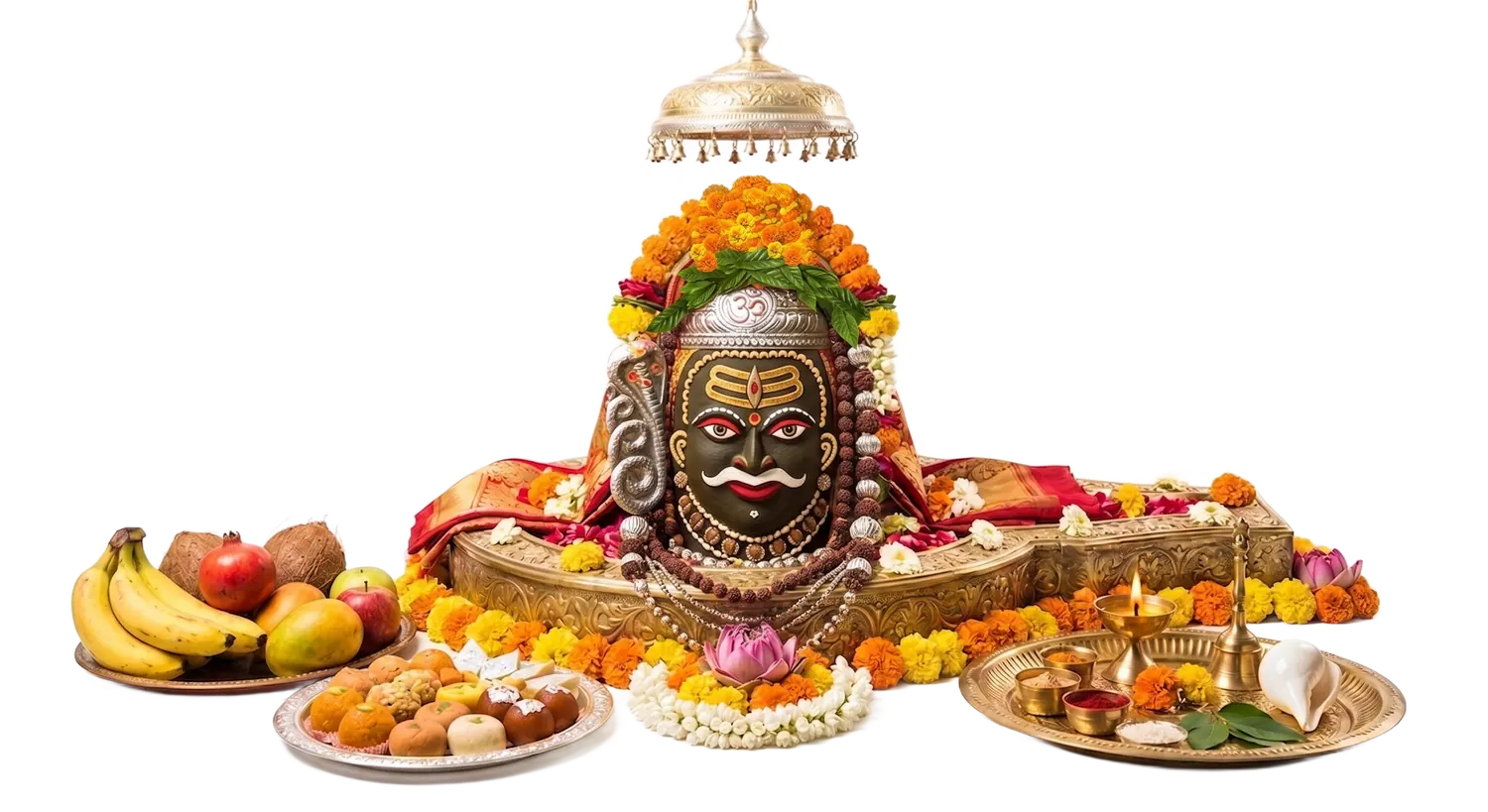
Energising: Place it before a Shiva lingam or image, offer bilva patra, water, and a diya, and chant the mantra below with sincere devotion before the first wear.
Mantra: The traditional beej mantra is:
Om Namah Shivaya
Some traditions also recommend the specific 14 Mukhi mantra:
Om Namah Shivaya Rudraksha Devamanaye Namah
Chant 11, 21 or 108 times, ideally on Monday morning during the Brahma Muhurta.
How to wear: It is best worn as a single pendant close to the throat or heart, on a red or rudraksha thread, and should be treated with the same reverence as an idol of Shiva.
Dos and Don'ts
Do maintain strict personal cleanliness and a sattvic diet, especially on days of worship, given the elevated spiritual nature attributed to this bead.
Do keep it away from other people touching it casually — traditionally, it is considered a deeply personal, sacred object.
Don't purchase from unreliable sources, as this is one of the rarest rudraksha types and is often counterfeited; insist on authenticity certification from a trustworthy dealer.
Don't wear it with an attitude of vanity or as a mere fashion accessory — traditional guidance emphasises humility and devotion as essential to its spiritual benefit.
A Gentle Note
The fourteen Mukhi Rudraksha, like all rudraksha, is a matter of devotion, faith, and centuries-old tradition. Its spiritual benefits are experienced through sincere practice, prayer, and inner discipline — not through the bead alone as a magical object. It should never be treated as a substitute for professional guidance in matters of health, law, finance, or major life decisions. Please approach it, as with all spiritual practices, with humility and combine it with sound real-world judgement.
Quick guide
Before you begin
Mantra
Shiva mantra
Om Namah Shivaya
Chant with a quiet mind, especially on Monday, Pradosh, or during Shiva puja.
Bhav
Benefits devotees pray for
FAQ
Common questions
Why is the 14 Mukhi Rudraksha called Devamani?
It is called Devamani, meaning 'jewel of the gods', because it is considered among the rarest and most spiritually potent rudraksha, believed to have emerged from Lord Shiva's third eye.
Who should wear a 14 Mukhi Rudraksha?
It is often chosen by those seeking sharper intuition, protection from negativity, and support in leadership or major decisions, as well as advanced spiritual practitioners. A knowledgeable astrologer's guidance is recommended before wearing it.
How is it different from other rudraksha?
Its rarity and its association with Shiva's third eye and Shani together give it a dual role: heightened perception combined with karmic discipline, considered unique among rudraksha types.
How can I verify authenticity given how rare it is?
Purchase only from a reputable, trusted dealer offering authenticity certification, and be cautious of unusually low prices, which are a common sign of imitation beads.
Deepen Your Sadhana with a Shiva Puja
Complement your rudraksha with a heartfelt Shiva puja and sankalp, inviting clarity, protection and inner strength.