


 ॐ नमः शिवाय
A complete guide to the twelve Jyotirlingas of Lord Shiva across India, their stories, locations, and how devotees worship them.
The Jyotirlingas are the most sacred abodes of Lord Shiva on earth. The word Jyotirlinga means a "linga of light" - a place where Shiva is believed to have manifested as a fiery column of light, without beginning or end, proving His supremacy over Brahma and Vishnu. There are twelve such Jyotirlingas spread across India, and pilgrimage to all twelve is considered one of the most powerful spiritual undertakings a devotee can perform in a lifetime.
The Shiva Purana narrates that once Brahma and Vishnu argued over who was greater. To settle the dispute, Shiva appeared as an infinite pillar of light and challenged them to find its beginning or end. Neither could. Vishnu admitted defeat honestly, while Brahma falsely claimed he had seen the top. Shiva then revealed twelve places on earth where this jyoti (light) would remain eternally present in the form of a linga, so that devotees could worship the formless as form.
Here is the complete list of the twelve Jyotirlingas with their locations.
Somnath, Gujarat Somnath in Saurashtra, Gujarat is considered the first among the Jyotirlingas. Legend says the Moon God (Chandra) was cursed by his father-in-law Daksha and lost his lustre. He worshipped Shiva here and was freed of the curse, hence the name Somnath - Lord of the Moon.
Mallikarjuna, Andhra Pradesh Situated atop Srisailam hill on the banks of the Krishna river, this Jyotirlinga is unique because it also houses one of the 51 Shakti Peeths, making it doubly sacred. The story tells of Kartikeya and Ganesha's sons Shiva and Parvati followed here after a family dispute over marriage.
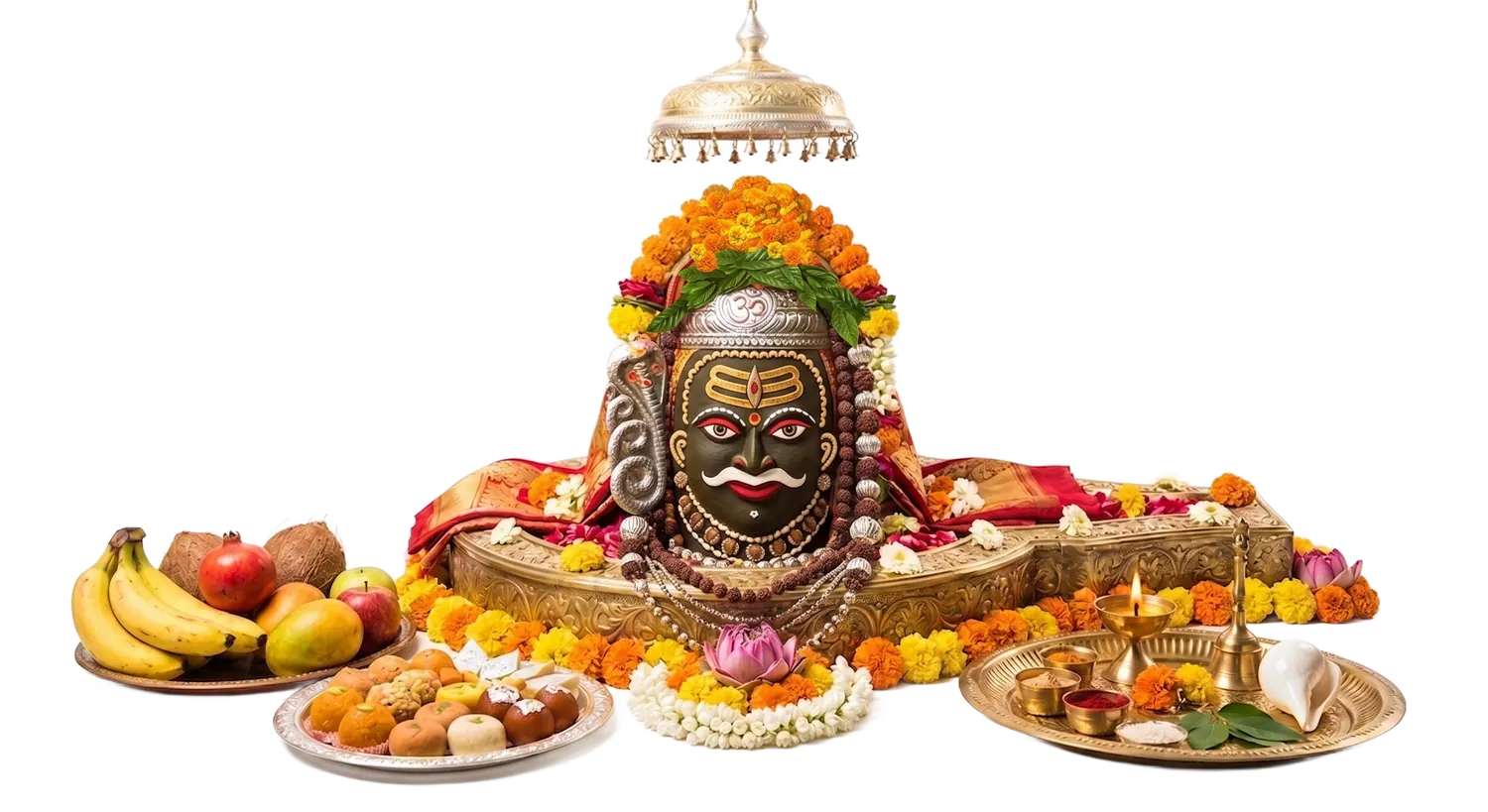
Mahakaleshwar, Ujjain, Madhya Pradesh The Mahakaleshwar Jyotirlinga in Ujjain is famed for its Bhasma Aarti performed with sacred ash before dawn and for being a Dakshinamukhi (south-facing) linga, considered especially powerful. Ujjain is also one of the seven Moksha-giving cities (Sapta Puri) of Sanatan Dharma.
Omkareshwar, Madhya Pradesh Located on Mandhata island in the Narmada river, the island itself is shaped like the sacred symbol Om, giving the temple its name. A devotee named Mandhata is said to have performed severe tapasya here to please Shiva.
Kedarnath, Uttarakhand Set amid the Himalayas at over 3,500 metres, Kedarnath is one of the most physically demanding and spiritually rewarding of the twelve. It is said the Pandavas built this temple after Shiva, avoiding them following the Mahabharata war, took the form of a bull and dived into the earth here, leaving behind His hump.
Bhimashankar, Maharashtra Nestled in the Sahyadri hills near Pune, this Jyotirlinga is associated with the story of Shiva destroying the demon Tripurasura, and is also the source of the river Bhima.
Kashi Vishwanath, Varanasi, Uttar Pradesh One of the most revered temples in all of Hindu Dharma, Kashi Vishwanath sits on the banks of the Ganga in Varanasi, the eternal city of Shiva. It is believed that anyone who leaves their body in Kashi attains moksha directly through Shiva's grace.
Trimbakeshwar, Nashik, Maharashtra Situated near the source of the sacred river Godavari, Trimbakeshwar is distinctive for its linga with three faces representing Brahma, Vishnu and Shiva. It is also a major site for Narayan Nagbali and Kaal Sarp puja.
Vaidyanath, Deoghar, Jharkhand (also claimed at Parli, Maharashtra) Known as the Jyotirlinga of healing, Vaidyanath is associated with Ravana, who is said to have worshipped Shiva here so intensely that Shiva agreed to reside permanently at this spot.
Nageshwar, Dwarka, Gujarat Associated with protection from poison and negativity, the legend tells of a devotee named Supriya who was saved by Shiva from the demon Daruka after praying to this linga.
Rameshwaram, Tamil Nadu One of the Char Dham pilgrimage sites, Rameshwaram is where Lord Rama is believed to have installed and worshipped a Shiva linga before crossing to Lanka to rescue Sita Mata, seeking Shiva's blessings for the righteous war ahead.
Grishneshwar, Aurangabad, Maharashtra The last of the twelve, located near the Ellora caves, Grishneshwar's story speaks of a devout woman named Kusuma whose unwavering devotion to Shiva led to the revival of her son and the manifestation of this Jyotirlinga.
Significance of Jyotirlinga Darshan
Devotees believe that visiting all twelve Jyotirlingas in one's lifetime removes deep-rooted sins, grants freedom from the cycle of birth and death, and brings the direct blessing of Mahadev. Even darshan of a single Jyotirlinga with true devotion is said to fulfil sincere wishes and bring peace of mind.
How Devotees Worship the Jyotirlingas
Most Jyotirlinga temples follow abhishekam (ritual bathing of the linga) with water, milk, honey, and Bel patra offerings. Chanting the Panchakshari Mantra "Om Namah Shivaya" while offering water is considered the simplest and most powerful form of worship. Many devotees also recite the Dwadash Jyotirlinga Stotra, which lists all twelve Jyotirlingas in a devotional hymn, believing that even remembering their names brings the same punya as visiting them in person.
A Simple Way to Connect from Home
Not every devotee can travel to all twelve temples in a single lifetime. On days like Maha Shivratri, Sawan Somwar, or Pradosh Vrat, devotees who cannot travel often perform a heartfelt Shiv puja or chadhava from wherever they are, trusting that Mahadev, who resides everywhere, accepts devotion offered with a pure heart just as readily as physical presence at the temple.
Frequently Asked Questions
Why are they called Jyotirlingas? Because Shiva is believed to have manifested at these twelve places as a jyoti, a column of infinite light, to show His formless, eternal nature to Brahma and Vishnu.
Can all 12 be visited in one trip? It is possible but demanding, as they are spread across many states from Gujarat to Tamil Nadu to Uttarakhand. Most devotees complete the yatra in stages over several years.
Which is the most difficult Jyotirlinga to reach? Kedarnath, due to its high Himalayan altitude and trek, is generally considered the most physically challenging.
Is remembering the names as good as visiting? Scriptures state that sincere recitation of the Dwadash Jyotirlinga Stotra with devotion brings great merit, though physical darshan carries its own unique blessing.
Quick guide
Before you begin
Mantra
Shiva mantra
Om Namah Shivaya
Chant with a quiet mind, especially on Monday, Pradosh, or during Shiva puja.
Bhav
Benefits devotees pray for
FAQ
Common questions
Why are they called Jyotirlingas?
Because Shiva is believed to have manifested at these twelve places as a jyoti, a column of infinite light, showing His formless, eternal nature.
Can all 12 be visited in one trip?
It is difficult, as they span many states. Most devotees complete the yatra in stages over several years.
Which Jyotirlinga is hardest to reach?
Kedarnath, due to its high Himalayan altitude and trek, is generally considered the most challenging.
Is remembering the names as good as visiting?
Sincere recitation of the Dwadash Jyotirlinga Stotra brings great merit, though physical darshan carries its own unique blessing.
Offer Shiv Puja From Wherever You Are
Cannot travel to a Jyotirlinga right now? Book an authentic Shiv puja and chadhava performed by qualified pandits with your sankalp.