
 शिव अष्टोत्तरशतनामावली
The complete Shiva Ashtottara Shatanamavali — 108 sacred names of Lord Shiva in Sanskrit with clear English meaning, chanting method and benefits.
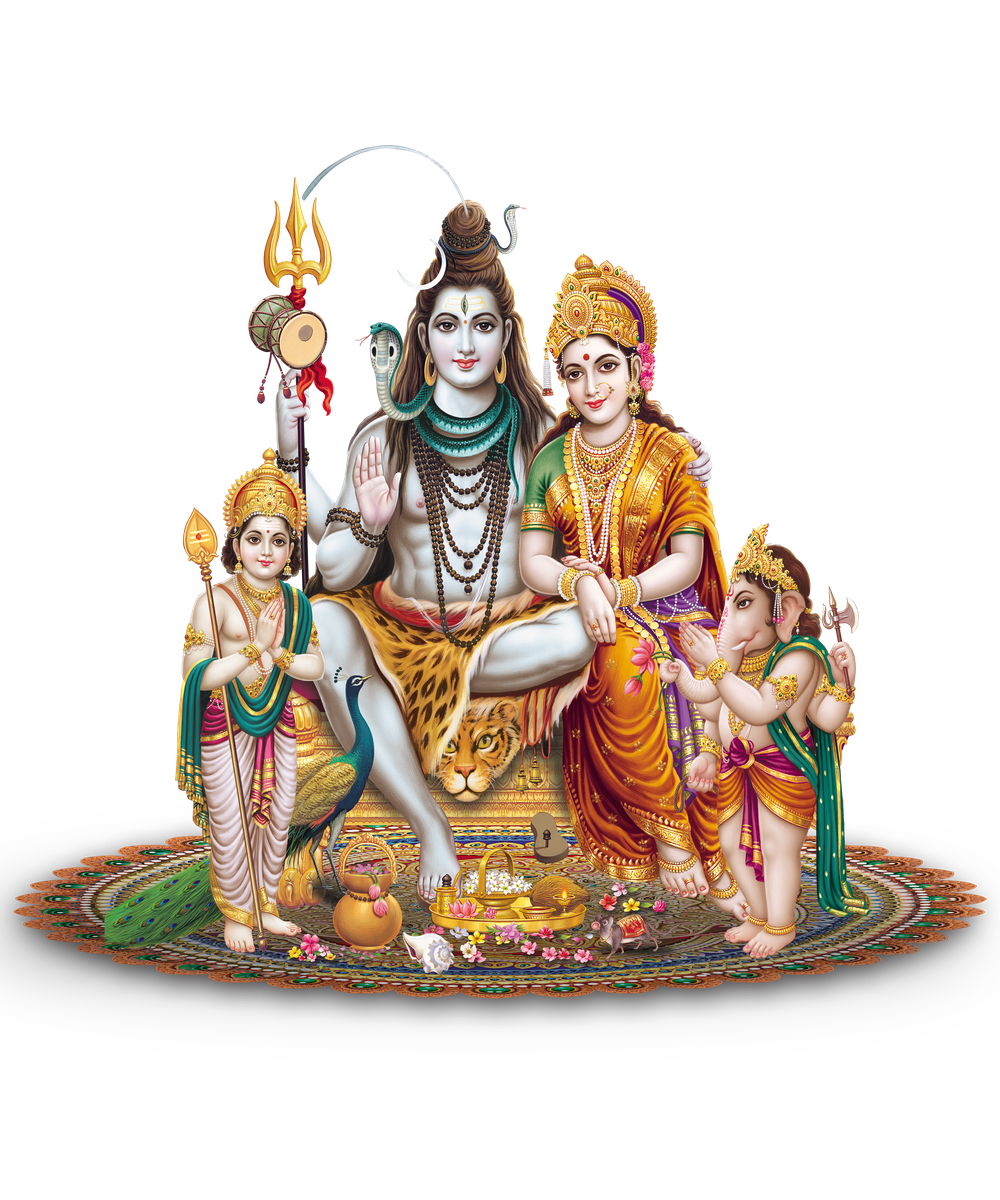
Lord Shiva, the Adideva of Sanatan Dharma, is worshipped through countless names that describe His infinite forms, qualities and grace. The Shiva Ashtottara Shatanamavali — the "108 names of Shiva" — is one of the most beloved devotional recitations in Hindu tradition. Each name is a complete meditation in itself, revealing an aspect of the formless, all-pervading Mahadev: the destroyer of ignorance, the ascetic on Kailash, the compassionate father of the universe, and the eternal Yogi seated in meditation.
Chanting these 108 names, whether during Rudrabhishek, on a Monday (Somvar), during the sacred month of Sawan, or on Mahashivratri, is believed to invoke Shiva's blessings for peace, courage, protection and spiritual growth. The number 108 itself is sacred in Hindu tradition — it corresponds to the 108 beads of a japa mala, and is considered a number of cosmic completeness connecting the sun, moon and earth.
Why Chant the 108 Names of Shiva
Each name of Shiva carries a distinct vibration and meaning. Reciting the full namavali is a form of namasmarana — remembrance through name — that steadies the mind, removes fear, and draws the devotee closer to Shiva's protective and transformative energy. Devotees chant it for relief from difficulties, for health and longevity (as in the Mrityunjaya aspect), for success in undertakings, and simply as an offering of love to Bholenath, the simplest and most compassionate of gods to please.
The Complete 108 Names of Lord Shiva (Ashtottara Shatanamavali)
1. Shiva — The Auspicious One 2. Maheshwara — The Great Lord 3. Shambhu — The Self-Existing One who grants happiness 4. Pinaki — Wielder of the Pinaka bow 5. Shashishekhara — One who wears the crescent moon on His head 6. Vamadeva — The pleasant, ever-gracious God 7. Virupaksha — One with unique, extraordinary eyes (the third eye) 8. Kapardi — One with matted, braided hair 9. Nilalohita — One whose throat is blue-red (from Halahala poison) 10. Shankara — The Giver of joy and prosperity 11. Shulapani — One who holds the trident (Trishul) 12. Khatvangi — One who bears the Khatvanga (a special staff/weapon) 13. Vishnuvallabha — The beloved of Lord Vishnu 14. Shipivishta — One who resides in the rays of the sun 15. Ambikanatha — The consort/Lord of Goddess Ambika (Parvati) 16. Shrikantha — One with an auspicious, beautiful throat 17. Bhaktavatsala — One who loves His devotees like His own children 18. Bhava — The source of all existence 19. Sharva — One who can end all sorrows 20. Trilokesha — Lord of the three worlds 21. Shitikantha — One with a blue-white throat 22. Shivapriya — One dear to Goddess Shivaa (Parvati) 23. Ugra — The fierce, formidable one 24. Kapali — One who wears a garland of skulls 25. Kamari — The destroyer of the god of desire, Kamadeva 26. Andhakasura Sudana — The slayer of the demon Andhaka 27. Gangadhara — One who bears the Ganga in His matted hair 28. Lalataksha — One with an eye on the forehead 29. Kalakala — The death of Death itself, conqueror of time 30. Kripanidhi — The ocean of compassion 31. Bhima — The formidable, mighty one 32. Parashuhasta — One who holds the axe (Parashu) 33. Mrigapani — One who holds a deer in His hand 34. Jatadhara — One who wears matted locks 35. Kailasavasi — The one who resides on Mount Kailash 36. Kavachi — One who wears divine armour 37. Kathora — The firm, unyielding one 38. Tripurantaka — The destroyer of the three cities (Tripura) 39. Vrishanka — One whose emblem is the bull 40. Vrishabharudha — One who rides the bull Nandi 41. Bhasmoddhulita Vigraha — One whose body is smeared with sacred ash 42. Samapriya — One who is fond of the Sama Veda chants 43. Swaramaya — One who is the essence of all musical notes 44. Trayimurti — The embodiment of the three Vedas 45. Anishwara — One who has no ruler above Him 46. Sarvajna — The all-knowing one 47. Paramatma — The Supreme Soul 48. Somasuryagnilochana — One whose eyes are the moon, sun and fire 49. Havi — The oblation offered in sacred fire 50. Yajnamaya — One who is the very form of the sacred Yajna 51. Soma — The gentle, nectar-like form of Shiva united with Uma 52. Panchavaktra — The one with five faces 53. Sadashiva — The eternally auspicious one 54. Vishweshwara — Lord of the entire universe 55. Virabhadra — The fierce warrior form born of Shiva's wrath 56. Gananatha — Lord of the Ganas (Shiva's attendants) 57. Prajapati — Lord and protector of all created beings 58. Hiranyaretas — One of golden, radiant energy 59. Durdharsha — The invincible one who cannot be overpowered 60. Girisha — Lord of the mountains 61. Girisha (Mount-dweller) — One who resides upon the mountain 62. Anagha — The sinless, faultless one 63. Bhujangabhushana — One adorned with serpents as ornaments 64. Bharga — The purifier who burns away sin 65. Giridhanva — One whose bow is the mountain Meru 66. Giripriya — One who loves the mountains 67. Krittivasa — One clad in an elephant/tiger hide 68. Purarati — The enemy of the demon-city Tripura 69. Bhagavan — The Divine Lord, possessor of all glory 70. Pramathadhipa — Chief of the Pramatha Ganas 71. Mrityunjaya — The conqueror of death 72. Sukshmatanu — One of the subtlest, unmanifest form 73. Jagadvyapi — The one pervading the entire universe 74. Jagadguru — The teacher and guide of the whole world 75. Vyomakesha — One whose hair is as vast as the sky 76. Mahasenajanaka — The father of Kartikeya (Mahasena) 77. Charuvikrama — One of graceful, magnificent valour 78. Rudra — The one who makes all beings weep (in awe) or removes sorrow 79. Bhutapati — Lord of all beings and elements 80. Sthanu — The firm, immovable pillar of the universe 81. Ahirbudhnya — The serpent of the deep, a Vedic form of Rudra 82. Digambara — The one clad in the directions (sky-clad, unbound) 83. Ashtamurti — The one with eight forms (earth, water, fire, air, ether, sun, moon, soul) 84. Anekatma — The one of countless forms 85. Sattvika — The one of pure, serene nature 86. Shuddhavigraha — The one of a pure, spotless form 87. Shashvata — The eternal, everlasting one 88. Khandaparashu — One who wields a broken axe 89. Aja — The unborn one 90. Pashavimochaka — The one who liberates from all worldly bondage 91. Mrida — The gracious, gentle one who grants happiness 92. Pashupati — Lord and protector of all living beings 93. Deva — The shining, radiant, divine one 94. Mahadeva — The greatest of all gods 95. Avyaya — The imperishable, changeless one 96. Hari — The remover of sins and sorrows 97. Pushadantabhid — The one who broke the teeth of Pusha (a Vedic deity) at Daksha's yajna 98. Avyagra — The steady one who is never agitated 99. Dakshadhvarahara — The destroyer of Daksha's sacrifice 100. Hara — The remover of all sins and sufferings 101. Bhaganetrabhid — The one who took out the eyes of Bhaga (at Daksha's yajna) 102. Avyakta — The unmanifest, formless one 103. Sahasraksha — The one with a thousand eyes 104. Sahasrapada — The one with a thousand feet 105. Apavargaprada — The bestower of liberation (moksha) 106. Ananta — The endless, infinite one 107. Taraka — The one who ferries souls across the ocean of worldly existence 108. Parameshwara — The Supreme Lord of all
How to Chant the 108 Names
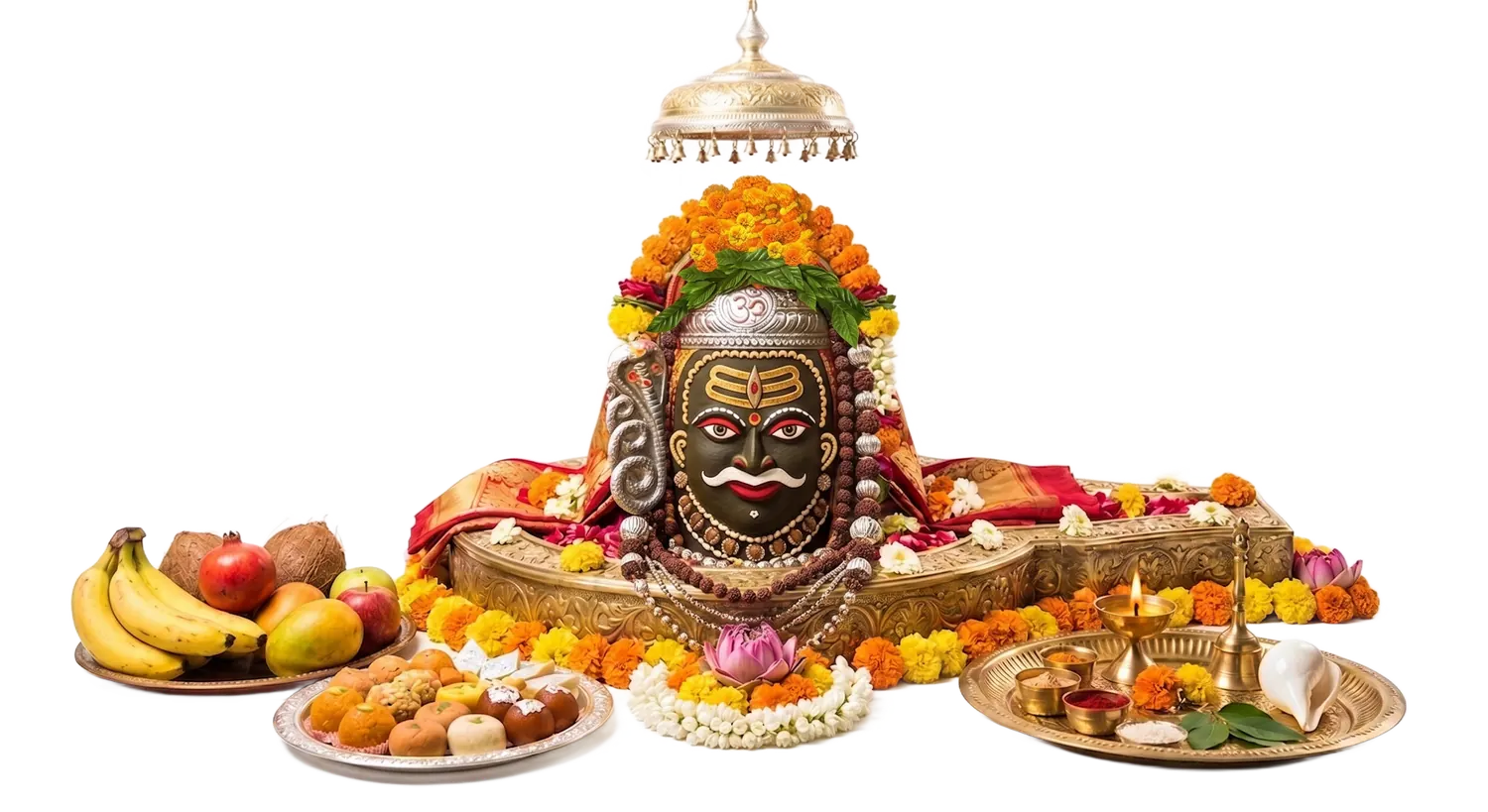
The Ashtottara Shatanamavali is traditionally chanted while offering a flower, bel patra (bilva leaf), or a few grains of rice to a Shivling at each name, saying "Om [Name] Namah" and placing the offering. This is called Ashtottara Shatanamarchana. If you do not have access to a Shivling, you may simply chant the names with folded hands before a picture or image of Shiva, or recite them as a mala japa using a rudraksha mala, completing one full round of 108 names in a single sitting.
The best time to chant is during the early morning Brahma Muhurta, on Mondays, during Pradosh Kaal (the twilight hours before sunset on the 13th lunar day), throughout the month of Sawan, and especially on Mahashivratri. Facing north or east while chanting is considered auspicious. A simple oil lamp, water, and bel patra are enough — Shiva does not ask for elaborate ritual, only sincerity.
Benefits of Chanting Shiva's 108 Names
Devotees believe that regular recitation of these names removes obstacles and negative energy, brings mental peace and clarity in times of confusion, strengthens courage and resolve (Shiva as Rudra, the fierce protector), improves health and grants longevity (invoking the Mrityunjaya aspect), and deepens one's connection to dharma and inner discipline, since Shiva is the supreme Yogi. It is also believed to be especially beneficial for those seeking freedom from fear, addiction, or difficult life situations, since Shiva is known as Ashutosh — the one who is quickly pleased and quick to grant grace.
A Short Mahatmya (Glory) of Shiva's Names
Puranic tradition holds that even a single name of Shiva, uttered with devotion, can dissolve lifetimes of sin — as illustrated in the story of Ajamila, who was liberated merely by calling his son "Narayana" in his final moments; Shiva's names are held in the same regard, since Shiva Himself declares in the Puranas that His name is easier to attain than His form. This is why Shiva is called Ashutosh — easily pleased — and why simple recitation of His names, even without elaborate ritual, is considered a complete form of worship in itself.
Frequently Asked Questions
The full FAQ answers appear below in the site's Q&A section.
Quick guide
Before you begin
Mantra
Shiva mantra
Om Namah Shivaya
Chant with a quiet mind, especially on Monday, Pradosh, or during Shiva puja.
Bhav
Benefits devotees pray for
FAQ
Common questions
What is the significance of the number 108 in Shiva's names?
The number 108 is considered spiritually complete in Hindu tradition — it matches the beads on a japa mala and is linked to cosmic proportions (distance between sun/earth and moon/earth in ancient calculations). Reciting exactly 108 names is believed to be a complete cycle of worship.
Can I chant the 108 names of Shiva without a Shivling?
Yes. While chanting before a Shivling with bel patra offerings is traditional, you can chant the names with folded hands before any image of Shiva, or simply in your mind with devotion, at home or anywhere.
Is there a best day to recite the Shiva Ashtottara Shatanamavali?
Monday (Somvar) is considered especially dear to Shiva, as are Pradosh Kaal, the entire month of Sawan, and Mahashivratri. However, Shiva's names can be chanted with devotion on any day.
What is the difference between the 108 names and the Shiva Chalisa?
The 108 names (Ashtottara Shatanamavali) are a Sanskrit list of Shiva's attributes used for name-by-name worship, while the Shiva Chalisa is a 40-verse Hindi devotional hymn describing Shiva's glories and stories. Both can be chanted together during worship.
Seek Mahadev's Blessings
Offer a puja to Lord Shiva for peace, protection and prosperity in your life.