

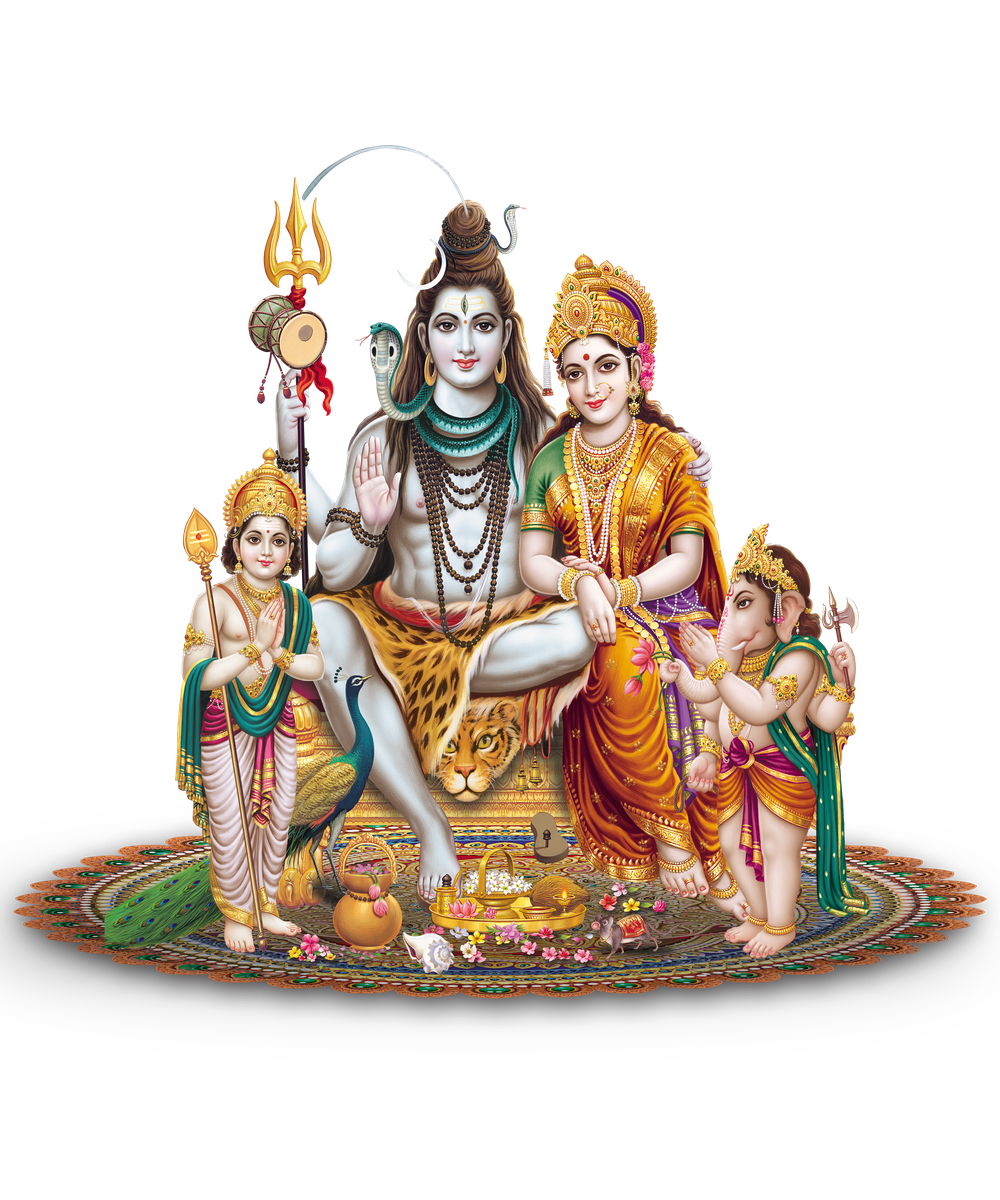
 चकार चण्डताण्डवं तनोतु नः शिवः शिवम्
The Shiv Tandav Stotram, composed by Ravan in praise of Bhagwan Shiv, is one of the most powerful and rhythmic hymns in Sanatan Dharma, describing the cosmic dance of Mahadev.
What Is the Shiv Tandav Stotram
The Shiv Tandav Stotram is a Sanskrit hymn in praise of Bhagwan Shiv, traditionally attributed to Ravan, the great scholar king of Lanka and a devout worshipper of Mahadev. According to legend, when Ravan tried to lift Mount Kailash to carry it to Lanka, Shiv pressed the mountain down with His toe, trapping Ravan's hand beneath it. In pain, yet overflowing with devotion rather than anger, Ravan composed this stotram spontaneously, describing the majestic tandav, the cosmic dance of Shiv, in flowing, thunderous Sanskrit meter. Pleased by his devotion and poetic brilliance, Shiv released him and blessed him with the divine sword Chandrahas.
The stotram is famous for its unique rhythm, the panchachamara chhand, which mimics the very beats of Shiv's dance, making it one of the most musically powerful hymns in the Hindu tradition. It is chanted especially on Mahashivratri and every Monday by devotees seeking Shiv's grace, courage and inner strength.
Complete Shiv Tandav Stotram (Devanagari)
जटाटवीगलज्जलप्रवाहपावितस्थले गलेऽवलम्ब्य लम्बितां भुजङ्गतुङ्गमालिकाम्। डमड्डमड्डमड्डमन्निनादवड्डमर्वयं चकार चण्डताण्डवं तनोतु नः शिवः शिवम्॥१॥
जटाकटाहसंभ्रमभ्रमन्निलिम्पनिर्झरी विलोलवीचिवल्लरीविराजमानमूर्धनि। धगद्धगद्धगज्ज्वलल्ललाटपट्टपावके किशोरचन्द्रशेखरे रतिः प्रतिक्षणं मम॥२॥
धराधरेन्द्रनन्दिनीविलासबन्धुबन्धुर स्फुरद्दिगन्तसन्ततिप्रमोदमानमानसे। कृपाकटाक्षधोरणीनिरुद्धदुर्धरापदि क्वचिद्दिगम्बरे मनो विनोदमेतु वस्तुनि॥३॥
जटाभुजङ्गपिङ्गलस्फुरत्फणामणिप्रभा कदम्बकुङ्कुमद्रवप्रलिप्तदिग्वधूमुखे। मदान्धसिन्धुरस्फुरत्त्वगुत्तरीयमेदुरे मनो विनोदमद्भुतं बिभर्तु भूतभर्तरि॥४॥
सहस्रलोचनप्रभृत्यशेषलेखशेखर प्रसूनधूलिधोरणी विधूसराङ्घ्रिपीठभूः। भुजङ्गराजमालया निबद्धजाटजूटक श्रियै चिराय जायतां चकोरबन्धुशेखरः॥५॥
ललाटचत्वरज्वलद्धनञ्जयस्फुलिङ्गभा निपीतपञ्चसायकं नमन्निलिम्पनायकम्। सुधामयूखलेखया विराजमानशेखरं महाकपालिसंपदेशिरोजटालमस्तु नः॥६॥
करालभालपट्टिकाधगद्धगद्धगज्ज्वल द्धनञ्जयाहुतीकृतप्रचण्डपञ्चसायके। धराधरेन्द्रनन्दिनीकुचाग्रचित्रपत्रक प्रकल्पनैकशिल्पिनि त्रिलोचने रतिर्मम॥७॥
नवीनमेघमण्डली निरुद्धदुर्धरस्फुरत् कुहूनिशीथिनीतमः प्रबन्धबद्धकन्धरः। निलिम्पनिर्झरीधरस्तनोतु कृत्तिसिन्धुरः कलानिधानबन्धुरः श्रियं जगद्धुरंधरः॥८॥
प्रफुल्लनीलपङ्कजप्रपञ्चकालिमप्रभा वलम्बिकण्ठकन्दलीरुचिप्रबद्धकन्धरम्। स्मरच्छिदं पुरच्छिदं भवच्छिदं मखच्छिदं गजच्छिदान्धकच्छिदं तमन्तकच्छिदं भजे॥९॥
अखर्वसर्वमङ्गलाकलाकदम्बमञ्जरी रसप्रवाहमाधुरी विजृम्भणामधुव्रतम्। स्मरान्तकं पुरान्तकं भवान्तकं मखान्तकं गजान्तकान्धकान्तकं तमन्तकान्तकं भजे॥१०॥
जयत्वदभ्रविभ्रमभ्रमद्भुजङ्गमश्वस द्विनिर्गमत्क्रमस्फुरत्करालभालहव्यवाट्। धिमिद्धिमिद्धिमिध्वनन्मृदङ्गतुङ्गमङ्गल ध्वनिक्रमप्रवर्तित प्रचण्डताण्डवः शिवः॥११॥
दृषद्विचित्रतल्पयोर्भुजङ्गमौक्तिकस्रजो र्गरिष्ठरत्नलोष्ठयोः सुहृद्विपक्षपक्षयोः। तृणारविन्दचक्षुषोः प्रजामहीमहेन्द्रयोः समं प्रवर्तयन्मनः कदा सदाशिवं भजे॥१२॥
कदा निलिम्पनिर्झरीनिकुञ्जकोटरे वसन् विमुक्तदुर्मतिः सदा शिरःस्थमञ्जलिं वहन्। विलोललोललोचनो ललामभाललग्नकः शिवेति मन्त्रमुच्चरन् कदा सुखी भवाम्यहम्॥१३॥
निलिम्पनाथनागरी कदम्बमौलमल्लिका निगुम्फनिर्भरक्षरन्मधूष्णिकामनोहरः। तनोतु नो मनोमुदं विनोदिनीमहर्निशं परिश्रयं परं पदं तदङ्गजत्विषां चयः॥१४॥
प्रचण्डवाडवानलप्रभाशुभप्रचारणी महाष्टसिद्धिकामिनी जनावहूतजल्पना। विमुक्तवामलोचनो विवाहकालिकध्वनिः शिवेति मन्त्रभूषणो जगज्जयाय जायताम्॥१५॥
इमं हि नित्यमेवमुक्तमुत्तमोत्तमं स्तवं पठन्स्मरन्ब्रुवन्नरो विशुद्धिमेतिसंततम्। हरे गुरौ सुभक्तिमाशु याति नान्यथा गतिं विमोहनं हि देहिनां सुशङ्करस्य चिन्तनम्॥१६॥
पूजावसानसमये दशवक्त्रगीतं यः शम्भुपूजनपरं पठति प्रदोषे। तस्य स्थिरां रथगजेन्द्रतुरंगयुक्तां लक्ष्मीं सदैव सुमुखीं प्रददाति शम्भुः॥१७॥
इति श्रीरावणकृतं शिवताण्डवस्तोत्रं संपूर्णम्
Meaning of the Stotram
Verses 1 to 4 describe Shiv's matted locks through which the Ganga flows, the crescent moon resting on His head, and the great serpent garlands coiled around His neck. Ravan describes the divine tandav that shakes the very universe and prays that this fierce, auspicious dance grants all-round auspiciousness. He describes Parvati resting beside Shiv on Mount Kailash, and prays that his mind may always find joy in contemplating the formless, all-pervading Lord.
Verses 5 to 10 praise Shiv as the Lord whose feet are worshipped even by Indra, the thousand-eyed king of the devas, with flowers whose pollen turns His feet dust grey. Ravan glorifies Shiv as the destroyer of Kamdev, the destroyer of the three demon cities, the destroyer of worldly bondage, the destroyer of Daksha's arrogant yagna, the destroyer of the elephant demon and of the demon Andhaka, and finally the destroyer of death itself. He describes the beauty of Parvati's forehead ornament and the divine music of Shiv's dance, comparing the sound of the damaru and mridang to the very rhythm of creation.
Verses 11 to 14 describe the tandav in full flow, with serpents swirling in the air, the fire on Shiv's forehead blazing, and the mridang drums resounding in celebration. Ravan prays for equanimity of mind, that he may see a jewelled bed and a stone slab, a garland of pearls and a garland of serpents, gold and mere clay, friend and foe, a blade of grass and the lotus eyes of the Lord, a subject and a king, all with the same even vision, so that he may forever remain devoted to the ever-auspicious Shiv (Sadashiv). He longs to dwell near the Ganga at Shiv's feet, chanting the Shiv mantra with a pure mind, free from delusion.
Why Devotees Chant the Shiv Tandav Stotram
The Shiv Tandav Stotram is chanted not merely as a poetic tribute but as a spiritual discipline. Its powerful, cascading Sanskrit syllables are believed to awaken courage, discipline the mind, and dissolve fear. Because it was composed in a moment of physical pain transformed into devotion, it is considered especially potent for overcoming adversity, ego, and attachment to the body. The hymn's central prayer, for a mind that sees all opposites with equanimity, makes it a text of profound inner transformation as well as outward devotion.
Musicians, dancers and students of the arts also revere this stotram because of its connection to Nataraja, Shiv as the cosmic dancer, and because its meter itself embodies rhythm and movement, making it a favourite in classical music and dance traditions.
How and When to Chant
Best day: Monday (Somvar), Mahashivratri, Pradosh Vrat evenings, and the month of Shravan are the most auspicious times, though it may be chanted daily by sincere devotees.
Best time: Early morning after bathing, or during the pradosh kaal (twilight hour before sunset), which the stotram itself mentions as especially fruitful.
Preparation: Sit facing east or north in a clean, quiet space. Light a diya and incense before a Shivling or an image of Shiv. Offer bael patra, water and white flowers if possible.
Method: Chant the stotram slowly at first until the pronunciation becomes familiar, then gradually build to its natural rhythmic flow. It may be chanted from memory or read aloud; both are considered valid and beneficial. Concluding with a few rounds of the panchakshari mantra Om Namah Shivaya is traditional.
Benefits of Chanting
Devotees who chant the Shiv Tandav Stotram regularly and with sincerity report a deep sense of courage and steadiness of mind, a reduction of fear and anxiety, remedy for planetary afflictions when combined with faith and right effort, and a strong connection with Bhagwan Shiv's protective and transformative energy. It is also chanted to overcome obstacles, negative influences and self-doubt.
Dos and Don'ts
Chant with correct pronunciation as far as possible; listening to it a few times before reciting helps. Maintain physical and mental cleanliness before chanting. Avoid chanting purely for show or without any devotion; the stotram itself emphasises bhakti over ritual formality. There is no restriction of caste, gender or background for chanting this stotram, as Shiv is worshipped by all with an open heart.
Frequently Asked Questions
Quick guide
Before you begin
Mantra
Ram mantra
Shri Ram Jai Ram Jai Jai Ram
Chant slowly with devotion for courage, truth, protection, and mental peace.
Bhav
Benefits devotees pray for
FAQ
Common questions
Who composed the Shiv Tandav Stotram?
It is traditionally attributed to Ravan, the king of Lanka, who composed it spontaneously in praise of Bhagwan Shiv while his hand was trapped under Mount Kailash.
Can anyone chant the Shiv Tandav Stotram?
Yes. There is no restriction based on gender, caste or background. Sincere devotion and reasonably correct pronunciation are what matter most.
What is the best time to chant it?
Monday mornings, Mahashivratri, and the pradosh kaal (evening twilight before sunset) are considered especially auspicious, though it can be chanted daily.
Is the Shiv Tandav Stotram difficult to pronounce?
Its Sanskrit compounds are long and rhythmic, so beginners are encouraged to listen to it a few times and practise slowly before attempting the full, fast recitation.
Seek Bhagwan Shiv's Blessings
Book a puja dedicated to Bhagwan Shiv and let our pandits perform the sankalp and vidhi on your behalf.