

 जटाटवीगलज्जलप्रवाहपावितस्थले
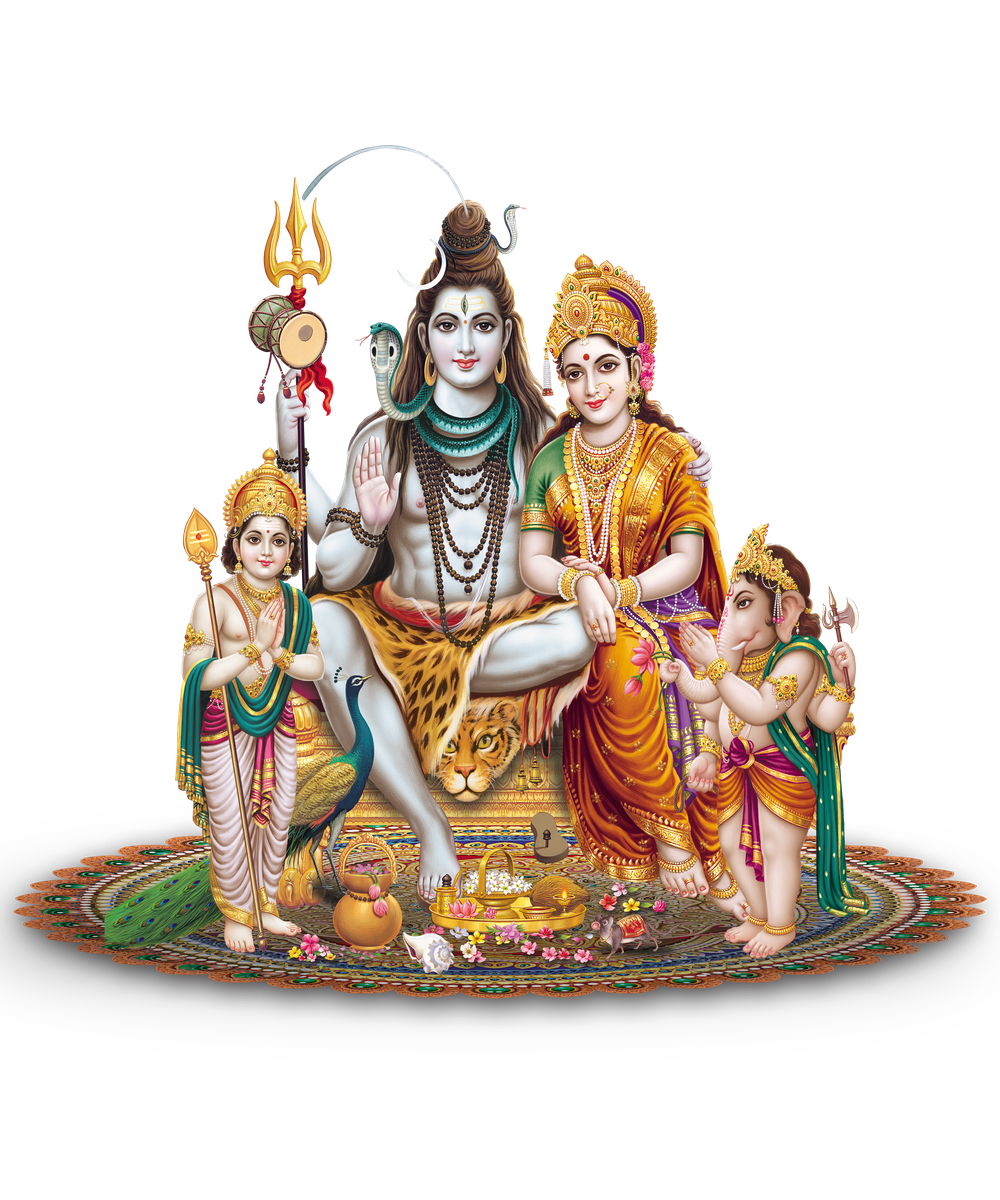
Composed by Ravana in praise of Lord Shiva's cosmic dance, the Shiv Tandav Stotram is one of the most powerful and rhythmic hymns in Sanatan Dharma.
The Shiv Tandav Stotram is among the most majestic and rhythmically powerful hymns dedicated to Lord Shiva. Tradition holds that it was composed by Ravana, the great scholar-king of Lanka and a devoted Shiva bhakt, when he attempted to lift Mount Kailash to show his strength, and Shiva pressed the mountain down with his toe, trapping Ravana's hand beneath it. In pain, Ravana composed this stotra in praise of Shiva's tandava — his cosmic dance of creation, preservation and dissolution — and Shiva, pleased with his devotion and poetic brilliance, released him and blessed him with the sword Chandrahas.
The Meaning of "Tandav"
Tandav refers to the vigorous, powerful dance performed by Shiva as Nataraja, representing the eternal rhythm of creation, sustenance and destruction of the universe. The stotra is composed in the panchachamara chhanda, a fast, cascading Sanskrit meter that itself mimics the rhythm of the cosmic dance, making it one of the most metrically brilliant compositions in Sanskrit literature.
Complete Shiv Tandav Stotram (Devanagari)
जटाटवीगलज्जलप्रवाहपावितस्थले गलेऽवलम्ब्य लम्बितां भुजङ्गतुङ्गमालिकाम्। डमड्डमड्डमड्डमन्निनादवड्डमर्वयं चकार चण्डताण्डवं तनोतु नः शिवः शिवम्॥ १॥
जटाकटाहसंभ्रमभ्रमन्निलिम्पनिर्झरी विलोलवीचिवल्लरीविराजमानमूर्धनि। धगद्धगद्धगज्ज्वलल्ललाटपट्टपावके किशोरचन्द्रशेखरे रतिः प्रतिक्षणं मम॥ २॥
धराधरेन्द्रनन्दिनीविलासबन्धुबन्धुर स्फुरद्दिगन्तसन्ततिप्रमोदमानमानसे। कृपाकटाक्षधोरणीनिरुद्धदुर्धरापदि क्वचिद्दिगम्बरे मनो विनोदमेतु वस्तुनि॥ ३॥
जटाभुजङ्गपिङ्गलस्फुरत्फणामणिप्रभा कदम्बकुङ्कुमद्रवप्रलिप्तदिग्वधूमुखे। मदान्धसिन्धुरस्फुरत्त्वगुत्तरीयमेदुरे मनो विनोदमद्भुतं बिभर्तु भूतभर्तरि॥ ४॥
सहस्रलोचनप्रभृत्यशेषलेखशेखर प्रसूनधूलिधोरणी विधूसराङ्घ्रिपीठभूः। भुजङ्गराजमालया निबद्धजाटजूटक श्रियै चिराय जायतां चकोरबन्धुशेखरः॥ ५॥
ललाटचत्वरज्वलद्धनञ्जयस्फुलिङ्गभा निपीतपञ्चसायकं नमन्निलिम्पनायकम्। सुधामयूखलेखया विराजमानशेखरं महाकपालि सम्पदे शिरोजटालमस्तु नः॥ ६॥
करालभालपट्टिकाधगद्धगद्धगज्ज्वल द्धनञ्जयाहुतीकृतप्रचण्डपञ्चसायके। धराधरेन्द्रनन्दिनीकुचाग्रचित्रपत्रक प्रकल्पनैकशिल्पिनि त्रिलोचने रतिर्मम॥ ७॥
नवीनमेघमण्डली निरुद्धदुर्धरस्फुरत् कुहूनिशीथिनीतमः प्रबन्धबद्धकन्धरः। निलिम्पनिर्झरीधरस्तनोतु कृत्तिसिन्धुरः कलानिधानबन्धुरः श्रियं जगद्धुरन्धरः॥ ८॥
प्रफुल्लनीलपङ्कजप्रपञ्चकालिमप्रभा वलम्बिकण्ठकन्दलीरुचिप्रबद्धकन्धरम्। स्मरच्छिदं पुरच्छिदं भवच्छिदं मखच्छिदं गजच्छिदान्धकच्छिदं तमन्तकच्छिदं भजे॥ ९॥
अखर्वसर्वमङ्गलाकलाकदम्बमञ्जरी रसप्रवाहमाधुरी विजृम्भणामधुव्रतम्। स्मरान्तकं पुरान्तकं भवान्तकं मखान्तकं गजान्तकान्धकान्तकं तमन्तकान्तकं भजे॥ १०॥
जयत्वदभ्रविभ्रमभ्रमद्भुजङ्गमश्वस द्विनिर्गमत्क्रमस्फुरत्करालभालहव्यवाट्। धिमिद्धिमिद्धिमिध्वनन्मृदङ्गतुङ्गमङ्गल ध्वनिक्रमप्रवर्तित प्रचण्डताण्डवः शिवः॥ ११॥
दृषद्विचित्रतल्पयोर्भुजङ्गमौक्तिकस्रजोर् गरिष्ठरत्नलोष्ठयोः सुहृद्विपक्षपक्षयोः। तृणारविन्दचक्षुषोः प्रजामहीमहेन्द्रयोः समं प्रवर्तयन्मनः कदा सदाशिवं भजे॥ १२॥
कदा निलिम्पनिर्झरीनिकुञ्जकोटरे वसन् विमुक्तदुर्मतिः सदा शिरःस्थमञ्जलिं वहन्। विलोललोललोचनो ललामभाललग्नकः शिवेति मन्त्रमुच्चरन् कदा सुखी भवाम्यहम्॥ १३॥
निलिम्पनाथनागरी कदम्बमौलमल्लिका निगुम्फनिर्भक्षरन्म धूष्णिकामनोहरः। तनोतु नो मनोमुदं विनोदिनींमहनिशं परिश्रयं परं पदं तदङ्गजत्विषां चयः॥ १४॥
प्रचण्डवाडवानल प्रभाशुभप्रचारणी महाष्टसिद्धिकामिनी जनावहूतजल्पना। विमुक्तवामलोचनो विवाहकालिकध्वनिः शिवेति मन्त्रभूषगो जगज्जयाय जायताम्॥ १५॥
इमं हि नित्यमेव मुक्तमुक्तमोत्तमं स्तवं पठन्स्मरन्ब्रुवन्नरो विशुद्धिमेतिसन्ततम्। हरे गुरौ सुभक्तिमाशु याति नान्यथा गतिं विमोहनं हि देहिनां सुशङ्करस्य चिन्तनम्॥ १६॥
पूजावसानसमये दशवक्त्रगीतं यः शम्भुपूजनपरं पठति प्रदोषे। तस्य स्थिरां रथगजेन्द्रतुरङ्गयुक्तां लक्ष्मीं सदैव सुमुखिं प्रददाति शम्भुः॥ १७॥
Meaning of Key Shlokas
The first shloka describes Shiva's matted locks purified by the flow of the Ganga, adorned with a garland of serpents, dancing to the resonant sound of his damaru — may that fierce tandava of Shiva bring us auspiciousness. The second describes the crescent moon on his forehead and the Ganga tumbling through his hair, expressing Ravana's constant devotion to this youthful, moon-crowned form. Verses three and four describe Parvati's playful presence beside him and his compassionate glance that removes the deepest afflictions.
Verse nine and ten, among the most celebrated, salute Shiva as the destroyer of Kamadeva's arrogance (Smarachidam), the destroyer of the three cities (Purachidam), the destroyer of worldly existence (Bhavachidam), the destroyer of Daksha's sacrifice (Makhachidam), the destroyer of the elephant-demon (Gajachidam), the destroyer of Andhakasura (Andhakachidam), and even the destroyer of death itself (Antakachidam) — describing Shiva as the ultimate remover of every kind of suffering and ego.
The sixteenth shloka is the phalashruti: one who recites or even remembers this hymn regularly attains purity, swiftly gains true devotion to the Guru and Hari (the Divine), and thoughts of Shiva liberate the soul from delusion. The final verse promises that one who recites this hymn composed by Ravana ("dashavaktra", the ten-headed one) at the close of Shiva puja during pradosh kaal is granted lasting prosperity, symbolised by chariots, elephants and horses, by the grace of Shambhu.
How to Chant Shiv Tandav Stotram
1. It is best recited during pradosh kaal (the twilight period before sunset) or on Mondays, Maha Shivratri and other Shiva-related occasions. 2. Sit facing a Shivling or an image of Shiva, light a diya, and offer bilva leaves, water and vibhuti. 3. Because of its fast, powerful meter, chant it with clear pronunciation and steady breath; listening to it recited by a learned pandit is also considered beneficial for those still learning the verses. 4. It may be chanted once daily, or 11 times on Maha Shivratri, as personal devotion and capacity allow.
Benefits of Shiv Tandav Stotram
Regular recitation is believed to instil courage, discipline and inner strength, remove ego and destructive tendencies (as reflected in its verses on Shiva as destroyer of arrogance and delusion), improve focus and pronunciation through its powerful meter, and invoke Shiva's protection and grace, particularly for prosperity when chanted during pradosh kaal.
Frequently Asked Questions
Who composed the Shiv Tandav Stotram? Tradition attributes it to Ravana, composed in praise of Shiva after his hand was trapped under Mount Kailash, as an expression of devotion and repentance.
Is it difficult to chant for beginners? Its meter is fast and intricate, so beginners often start by listening to a correct rendition repeatedly before attempting to recite it themselves; regular practice with patience builds fluency.
When is the best time to recite it? Pradosh kaal (twilight), Mondays, and Maha Shivratri are considered especially powerful times, though it may be chanted daily as part of one's Shiva sadhana.
Can anyone recite the Shiv Tandav Stotram? Yes, it is open to all sincere devotees; no special initiation is required, though correct pronunciation is encouraged out of respect for its Sanskrit meter.
Quick guide
Before you begin
Mantra
Ram mantra
Shri Ram Jai Ram Jai Jai Ram
Chant slowly with devotion for courage, truth, protection, and mental peace.
Bhav
Benefits devotees pray for
FAQ
Common questions
Who composed the Shiv Tandav Stotram?
Tradition attributes it to Ravana, composed after his hand was trapped under Mount Kailash, as devotion and repentance.
Is it hard for beginners to chant?
Its meter is fast and intricate; listening to a correct rendition repeatedly helps before attempting to recite it.
What is the best time to recite it?
Pradosh kaal, Mondays, and Maha Shivratri are especially powerful, though daily recitation is also common.
Can anyone recite it?
Yes, any sincere devotee may recite it; no special initiation is required.
Book Shiv Puja & Rudrabhishek
Invoke Lord Shiva's grace and protection with a Rudrabhishek or Shiv puja performed with complete vidhi.