


 जय गिरिजापति दीनदयाला
The complete Shiv Chalisa in Devanagari with meaning, benefits and the correct method of daily chanting.
Complete Shiv Chalisa (Devanagari)
Doha
Jai Ganesh Girija suvan, mangal mool sujan. Kahat Ayodhyadas tum, deu abhay varadan.
Jai Girijapati deendayala. Sada karat santan pratipala.
Bhal chandrama sohat neeke. Kanan kundal nagphani ke.
Ang gaur shir gang bahaye. Mundmal tan kshar lagaye.
Vastra khal baghambar sohe. Chhavi ko dekh nag muni mohe.
Maina matu ki have dulari. Vaam ang sohat chhavi nyari.
Kar trishul sohat chhavi bhari. Karat sada shatrun kshaykari.
Nandi Ganesh sohai tahan kaise. Sagar madhya kamal hain jaise.
Kartik shyam aur ganrau. Ya chhavi ko kahi jat na kau.
Devan jabahin jay pukara. Tabahin dukh prabhu aap nivara.
Kiya updrav tarak bhari. Devan sab mili tumhahin juhari.
Turat shadanan aap pathayau. Lav nimesh mahan mari girayau.
Aap Jalandhar asur sanhara. Suyash tumhar vidit sansara.
Tripurasur san yuddh machai. Sabahin kripa kar leen bachai.
Kiya tapahin Bhagirath bhari. Purab pratigya tasu purari.
Danin mahan tum sam kou nahi. Sevak stuti karat sadahin.
Ved naam mahima tav gai. Akath anadi bhed nahi pai.
Pragat udadhi manthan te jwala. Jarat surasur bhaye vihala.
Keenh daya tahan kari sahai. Nilkanth tab naam kahai.
Pujan Ramchandra jab keenha. Jeet ke Lank Vibhishan deenha.
Sahas kamal mein ho rahe dhari. Keenh pariksha tabahin purari.
Ek kamal prabhu rakheu joi. Kamal nayan pujan chahun soi.
Kathin bhakti dekhi prabhu Shankar. Bhaye prasann diye ichchhit var.
Jai jai jai anant avinashi. Karat kripa sab ke ghatvasi.
Dushta sakal nit mohi satavein. Bhramat rahau mohin chain na aavein.
Trahi trahi main nath pukaro. Yahi avsar mohi aan ubaro.
Lai trishul shatrun ko maro. Sankat se mohi aan ubaro.
Mat pita bhrata sab koi. Sankat mein puchhat nahin koi.
Swami ek hai aas tumhari. Aay harahu ab sankat bhari.
Dhan nirdhan ko det sada hi. Jo koi janche so phal pahi.
Astuti kehi vidhi karau tumhari. Kshamahu nath ab chuk hamari.
Shankar ho sankat ke nashan. Mangal karan vighn vinashan.
Yogi yati muni dhyan lagavein. Narad Sharad sheesh navavein.
Namo namo jai namo Shivay. Sur Brahmadik par na pay.
Jo yah path kare man lai. Ta par hot hai Shambhu sahai.
Rudrashtak yah Shambhu sunaya. Shivahin hriday dhari jo nar gaya.
Sukh sampati ta ki bharpuri. Sat sat bhashi baat na duri.
Dhoop deep naivedya chadhave. Shankar sammukh path sunave.
Janam janam ke paap nasave. Antvaas Shivpur mah pave.
Kahai Ayodhyadas aas tumhari. Jani sakal dukh moch hamari.
Doha
Nit nem kar prataha hi, path karau chalis. Tum meri man kamana, purn karo Jagdish.
Meaning
The opening doha invokes Ganesha, son of Girija (Parvati), the source of all auspiciousness, as the poet Ayodhyadas prays for the boon of fearlessness before beginning the praise of Shiva. Shiva is then described as Girijapati, the compassionate lord who always protects his devotees.
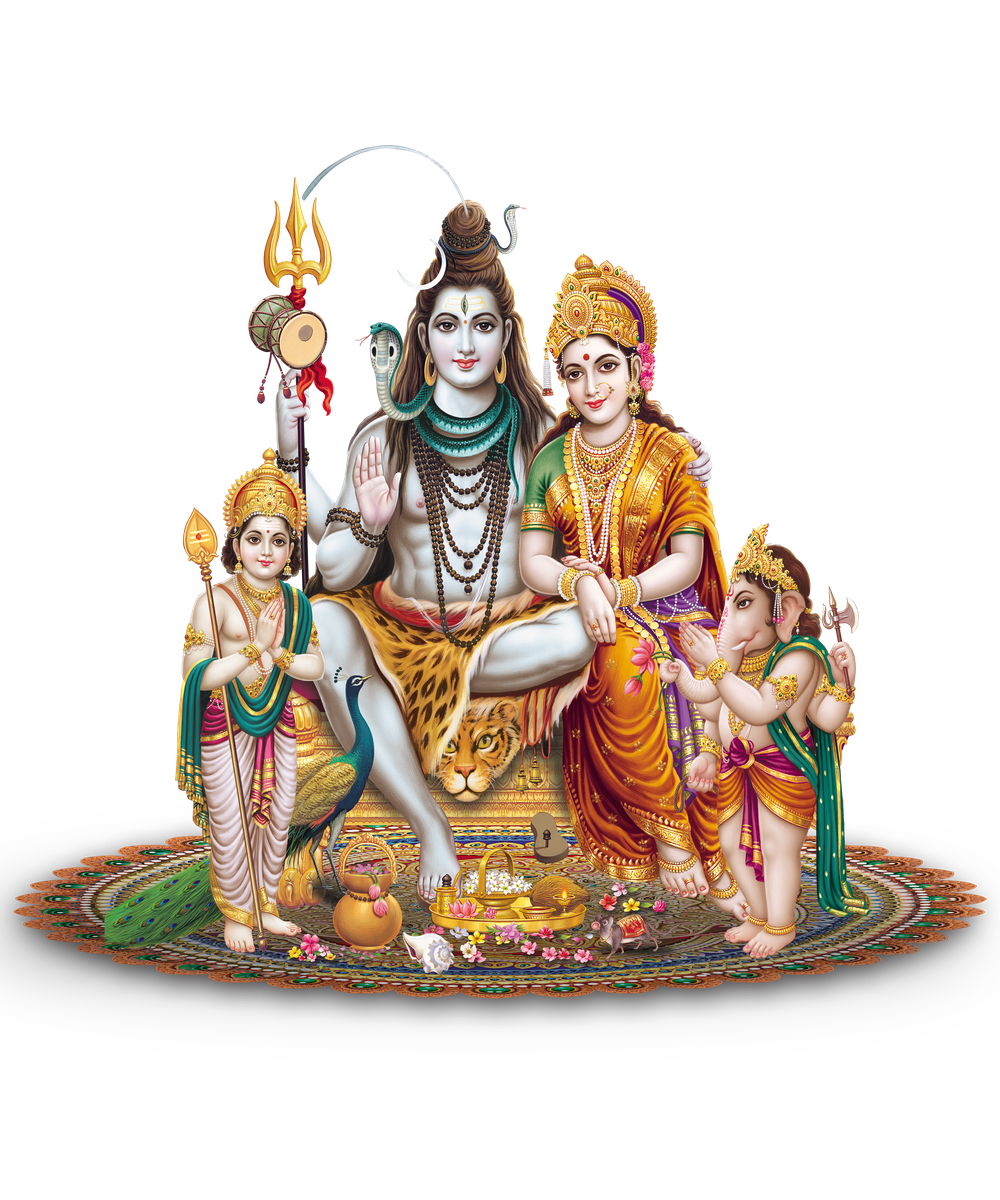
His radiant form is depicted in loving detail: the crescent moon adorning his forehead, snake earrings, the Ganga flowing from his matted locks, ash smeared upon his body, a garland of skulls, and a tiger skin worn as a garment — a form so captivating that even sages and serpents are enthralled. Parvati, daughter of Mount Mena, graces his left side in a form of unmatched beauty. He holds the trident that destroys enemies always, with Nandi and Ganesha beside him, as beautiful as a lotus rising from the middle of an ocean; Kartikeya too stands near, a scene beyond words.
Whenever the gods have called out to him in distress, Shiva has removed their sorrow. When the demon Tarakasur wreaked great havoc, all the gods together prayed to him, and he swiftly sent forth Kartikeya (Shadanan) who destroyed the demon in an instant. Shiva himself destroyed the demon Jalandhar, and his glory in this regard is known throughout the world. He fought a great battle with the Tripurasuras and, out of compassion, saved everyone.
King Bhagirath performed intense penance to bring the Ganga down to earth, and Shiva, true to his word, fulfilled that vow by holding the mighty river in his locks. None is as generous a giver as Shiva; his servants sing his praise constantly. The Vedas glorify his name, yet his mystery remains unfathomable and beginningless. When the churning of the ocean produced the deadly poison Halahal, the gods and demons were consumed in its flames; Shiva, out of mercy, drank the poison himself and held it in his throat, earning the name Nilkantha (the blue-throated one).
Benefits of Reciting Shiv Chalisa
Removes fear, negativity and obstacles from life. Brings peace of mind, courage and inner strength. Fulfils sincere wishes and grants prosperity. Destroys accumulated sins and purifies the soul.
How and When to Chant
Rise early, bathe, and sit before a Shivling or an image of Lord Shiva with a clean mind and body. Offer water (jal), bilva leaves, and a lamp if possible, then recite the doha, all forty verses, and the closing doha with devotion. Mondays (Somvar) are especially dear to Shiva and considered the best day for this path, though it may be recited daily. During the holy month of Shravan, recitation carries special significance. Maintain simplicity, truthfulness and a calm mind while chanting; avoid non-vegetarian food and intoxicants on the day of recitation.
Dos and Don'ts
Keep the place of worship and your own body clean before beginning. Recite with full attention rather than mechanically. Do not interrupt the path midway once started; complete it in one sitting. People of all ages and backgrounds may recite the Shiv Chalisa with sincere devotion.
Mahatmya (Glory)
Composed by the poet Ayodhyadas in devotion to Lord Shiva, this Chalisa captures Shiva's form, his compassion toward devotees, and his many divine deeds — from drinking the poison Halahal to testing Ram's devotion. It remains one of the most beloved daily hymns among Shiva devotees across India.
Frequently Asked Questions
Question: Which day is best for reciting the Shiv Chalisa? Answer: Monday (Somvar) is considered especially auspicious for Shiva worship, though it may be recited any day with devotion.
Question: Can the Shiv Chalisa be recited without a Shivling at home? Answer: Yes, it can be recited before any image or picture of Shiva, or even mentally with sincere devotion.
Question: How many times should it be recited? Answer: Once daily in the morning is the traditional practice; it may be repeated more during Shravan or on Mahashivratri.
Question: What are the benefits of reciting the Shiv Chalisa? Answer: It removes fear and obstacles, brings peace and inner strength, and helps fulfil sincere wishes.
Quick guide
Before you begin
Mantra
Shiva mantra
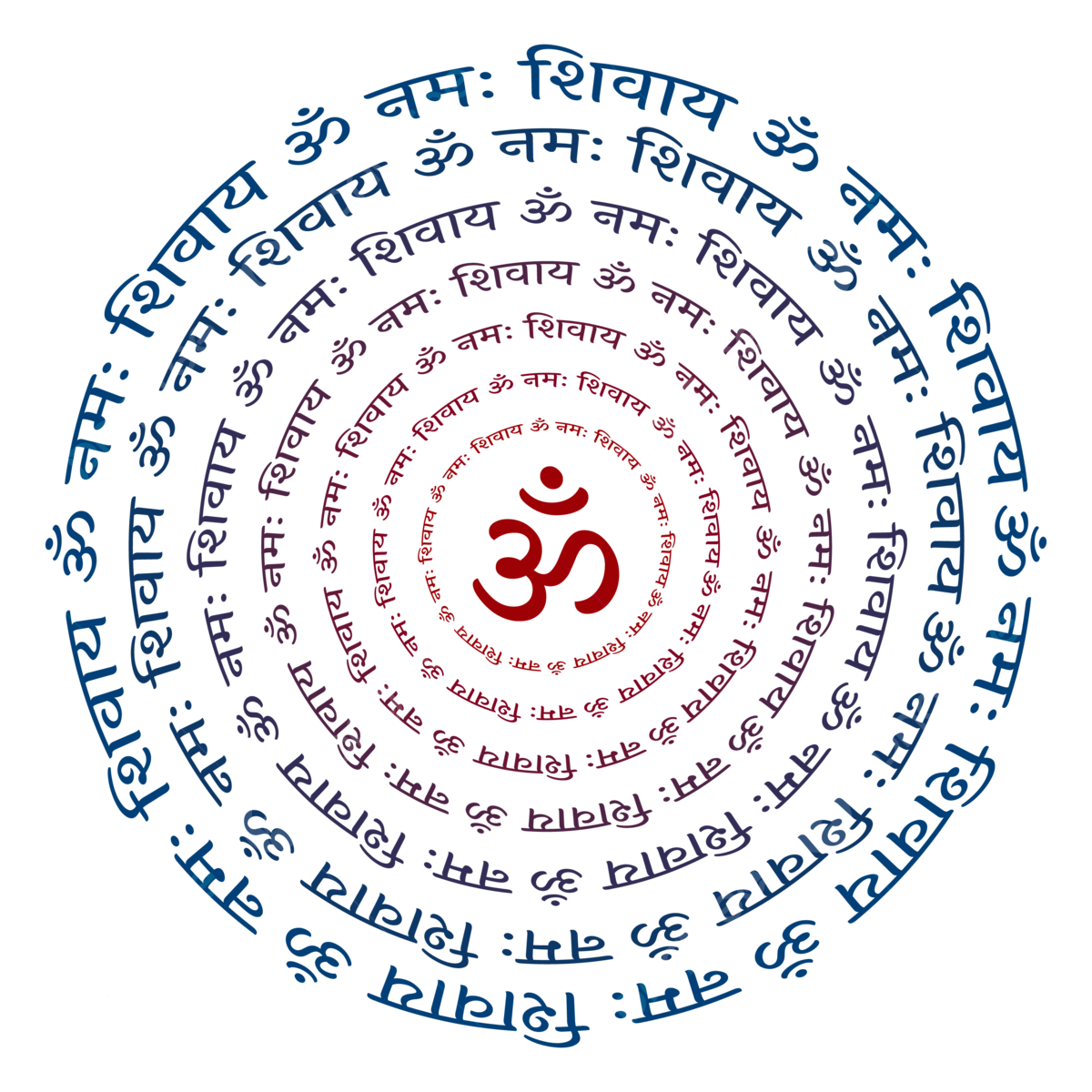
Om Namah Shivaya
Chant with a quiet mind, especially on Monday, Pradosh, or during Shiva puja.
Bhav
Benefits devotees pray for
FAQ
Common questions
Which day is best for reciting the Shiv Chalisa?
Monday (Somvar) is considered especially auspicious for Shiva worship, though it may be recited any day with devotion.
Can the Shiv Chalisa be recited without a Shivling at home?
Yes, it can be recited before any image or picture of Shiva, or even mentally with sincere devotion.
How many times should it be recited?
Once daily in the morning is the traditional practice; it may be repeated more during Shravan or on Mahashivratri.
What are the benefits of reciting the Shiv Chalisa?
It removes fear and obstacles, brings peace and inner strength, and helps fulfil sincere wishes.
Offer a complete Shiv Puja with our pandits
Book an authentic Rudrabhishek or Shiv puja performed by verified pandits, with a video of your sankalp.