
 पुत्रवती भव
Gentle, dharmic remedies and Devi worship traditionally followed by couples praying for the blessing of a child, alongside medical guidance.
The desire for a child is one of the deepest longings a couple can carry, and when conception is delayed, the emotional weight can become heavy for both partners and their families. Sanatan Dharma has always held motherhood and family as sacred, and there is a long tradition of couples turning to Devi worship - Santoshi Mata, Devi Parvati, and Bhagwan Shri Krishna in his Santan Gopal form - while also pursuing medical care. This article shares those traditional upay with the reverence they deserve, alongside a clear reminder that medical evaluation and treatment should never be delayed or replaced by ritual alone.
Why Santoshi Mata and Devi Bhagwati
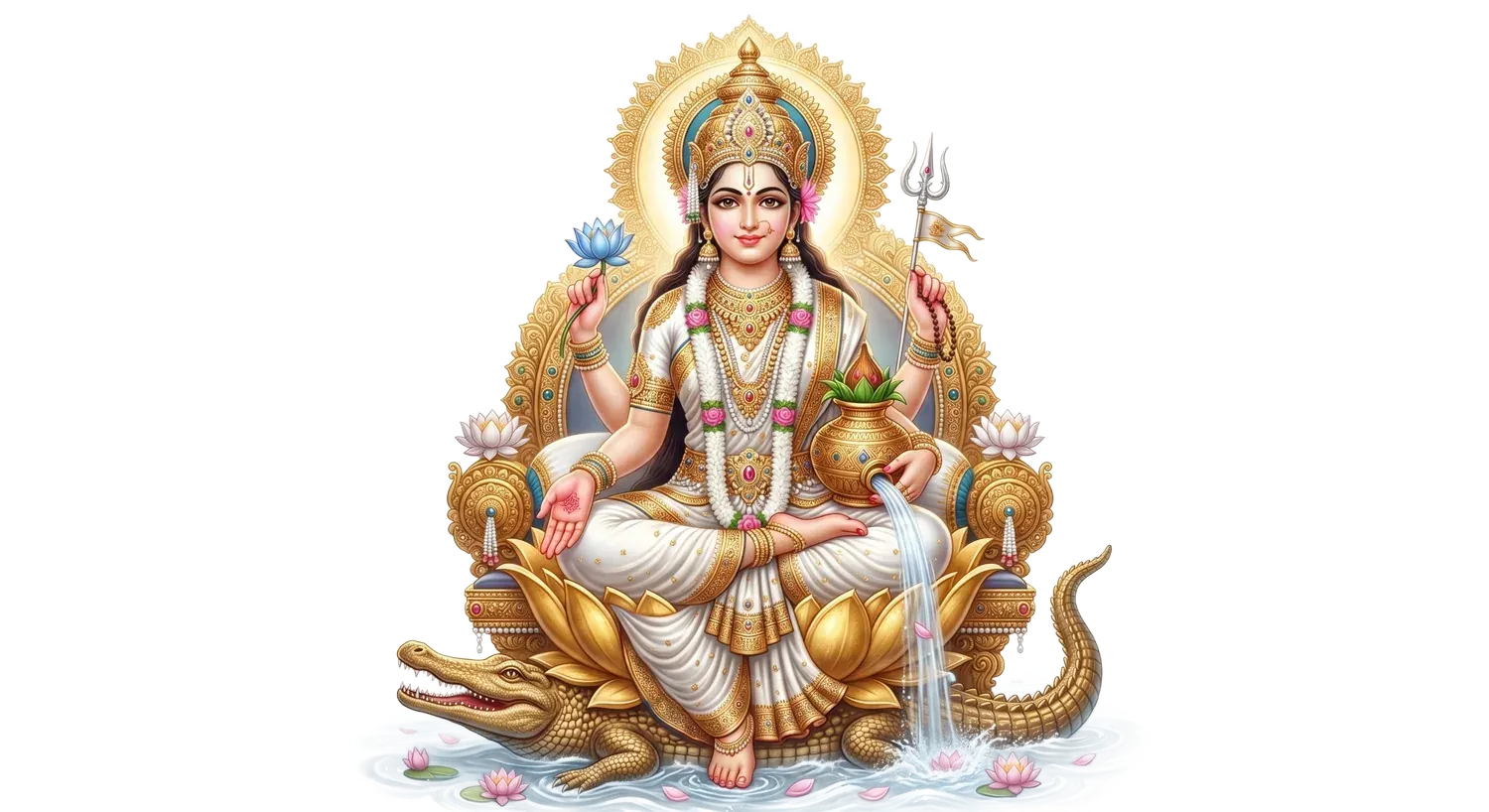
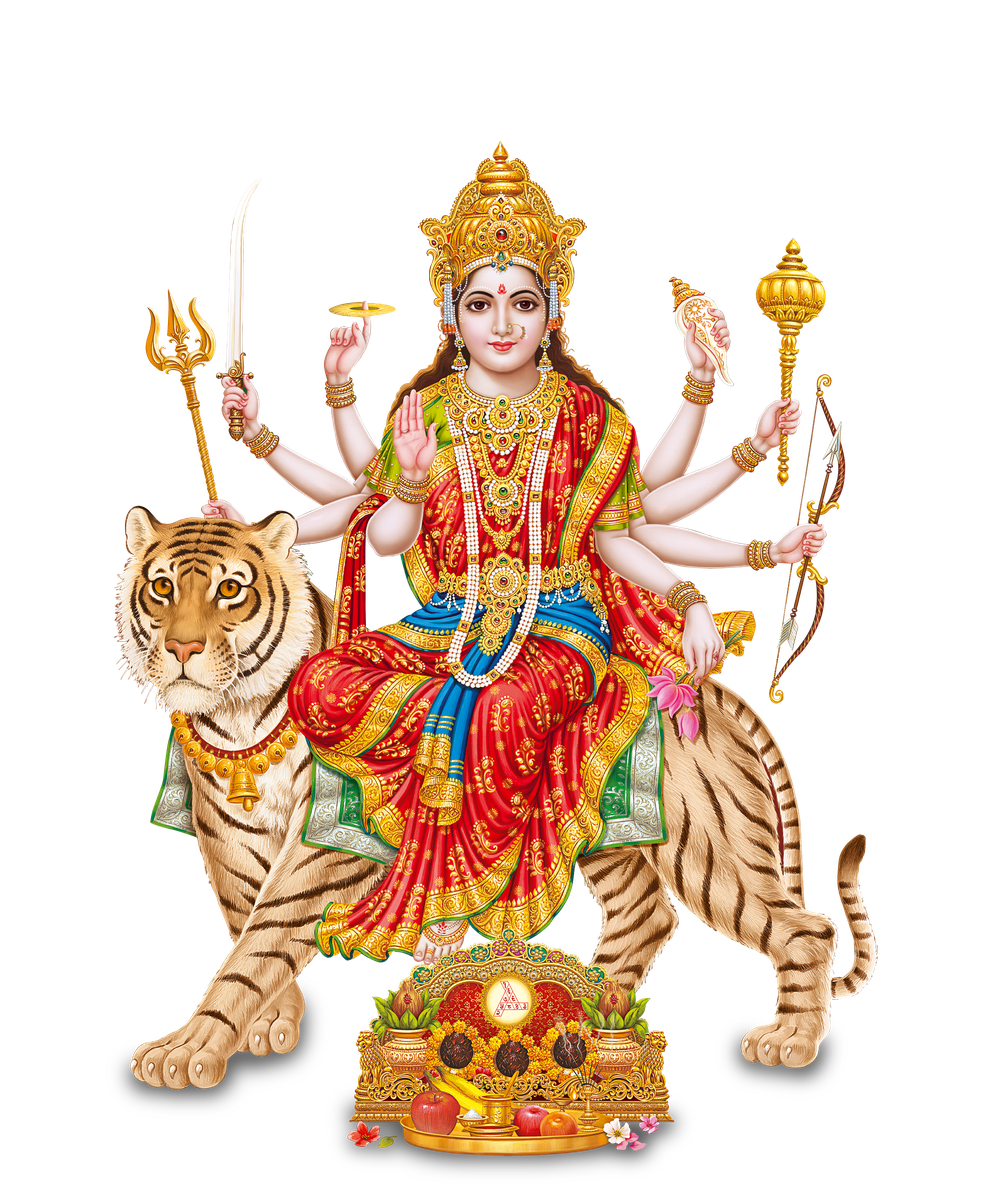
Santoshi Mata is worshipped widely across North India as a compassionate mother goddess who grants the wishes of sincere devotees, especially women, when approached with patience and satisfaction (santosh) rather than anxious demanding. Devi Parvati, as Jagat Janani (mother of the universe), and Devi Bhagwati in her many forms are invoked by couples as the source of all creation and fertility, asking for the blessing of a healthy child in their own time.
Upay 1: Santoshi Mata Friday vrat
The sixteen-Friday Santoshi Mata vrat is one of the most well-known remedies followed by women desiring a child, a good marriage, or resolution of household troubles. On each of sixteen consecutive Fridays, the devotee eats only one meal (avoiding sour items entirely that day), worships Santoshi Mata with gur (jaggery) and chana (roasted gram) as prasad, and listens to or reads the Santoshi Mata vrat katha. The vrat is completed with an udyapan (concluding ceremony) after the sixteenth Friday, where eight boys are traditionally fed as part of the closing ritual. This vrat should be undertaken only with sincere devotion and, if health does not permit fasting, a modified version with prayer alone is equally valid.
Upay 2: Santan Gopal mantra
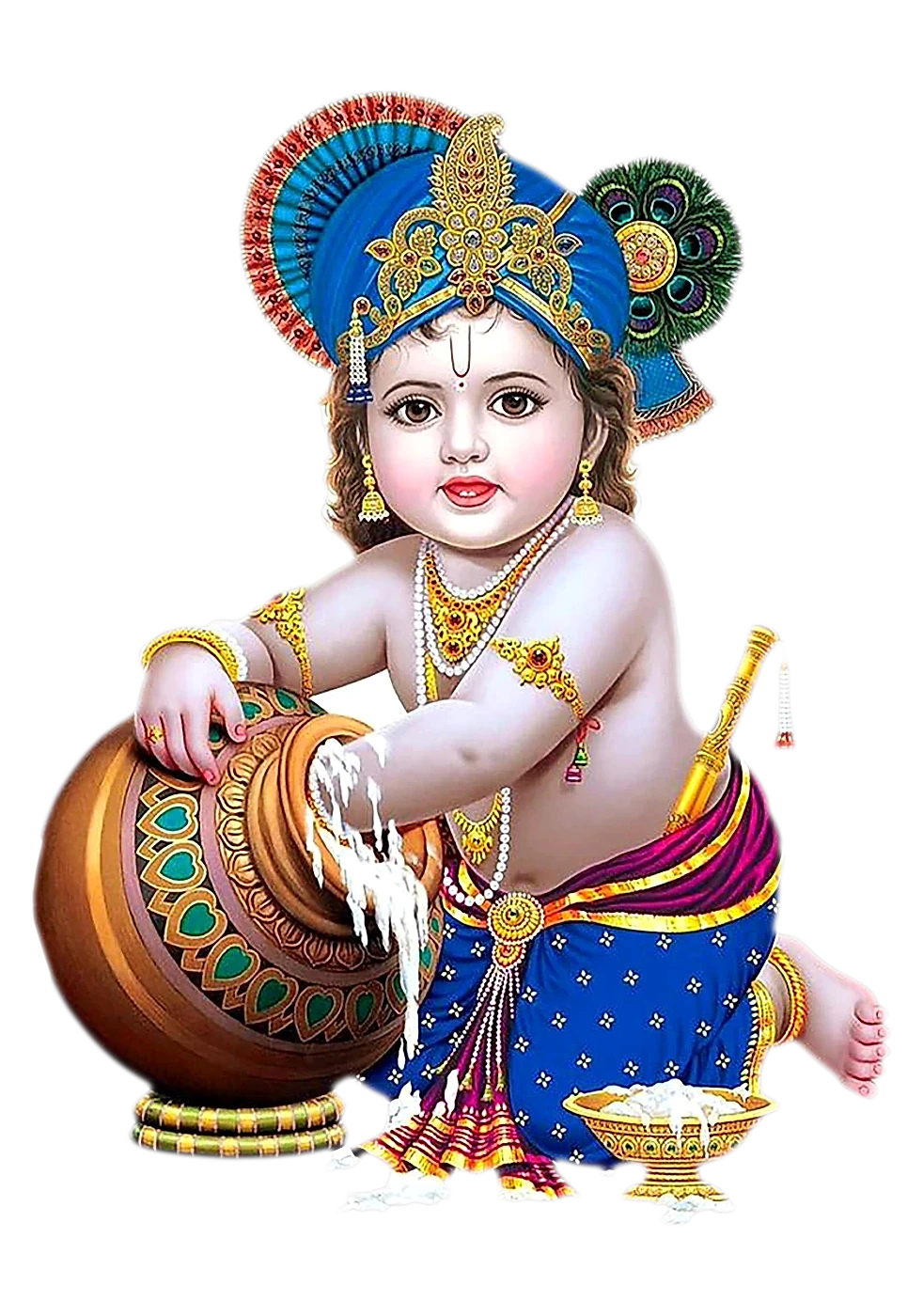
Couples desiring a child often chant the Santan Gopal mantra, dedicated to Bal Gopal (the child form of Krishna): 'Om Devaki Sut Govind Vasudev Jagatpate, Dehi Me Tanayam Krishna Twamaham Sharanam Gatah'. This is chanted 108 times daily, ideally by both husband and wife together, in front of a Krishna idol or image, especially on Wednesdays which are associated with Lord Krishna.
Upay 3: Shiv-Parvati puja and the Santan Prapti Ganesh upay
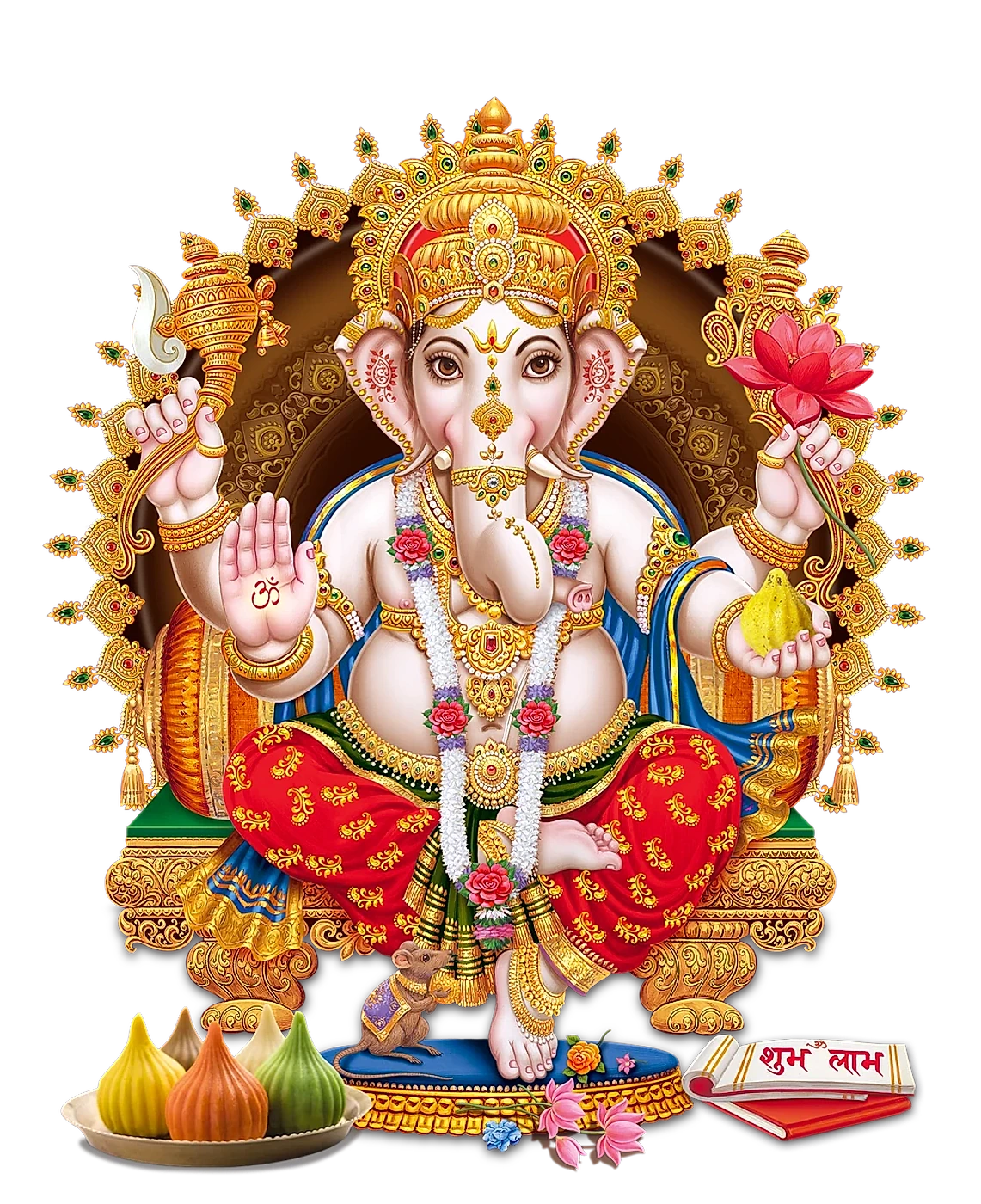
Worshipping Shiv-Parvati together on Mondays, offering bel patra to the Shivling and a red chunri with sindoor to Devi Parvati, is a traditional practice for couples desiring a child. Some couples also worship Lord Ganesha - remover of obstacles - on Wednesdays, offering durva grass and modak, praying specifically for the removal of any obstacle in conceiving.
Upay 4: Household and lifestyle practices
Keep a small statue or picture of Bal Krishna (the child Krishna) in the bedroom, which many traditional households believe creates a nurturing, joyful atmosphere. Maintain a calm, loving environment between husband and wife, as stress is both a spiritual and medically recognised factor affecting conception. Practise gratitude daily rather than dwelling in anxiety - santosh (contentment) is at the very heart of Santoshi Mata's blessing.
Upay 5: Charity (daan) as part of the practice
Donating food, clothes or educational support to children in need - especially on Fridays or during the vrat period - is considered a powerful accompanying practice. This act of seva (selfless service) is believed to open the heart and invite blessings, regardless of the outcome, and is valuable in its own right.
What to avoid
Do not delay consulting a qualified gynaecologist or fertility specialist while relying solely on ritual - many causes of delayed conception are medically treatable, and early evaluation matters. Avoid anyone who claims a puja alone can 'cure infertility' for a fee - this is not the dharmic tradition and such claims should be treated with caution. Do not let family pressure turn a sacred practice into a source of guilt or blame between spouses; the upay are meant to bring peace, not added stress.
A gentle word of caution
This article describes traditional devotional practices followed with faith by many families; conception can depend on many medical factors specific to each couple, and these upay are not a substitute for consulting a qualified doctor. Please continue medical evaluation and treatment fully, drawing emotional and spiritual strength from your bhakti alongside it.
Mahatmya
The story of Santoshi Mata teaches that the deepest wishes are granted not through frantic demanding but through patient, contented devotion. Devi Parvati herself, as the mother of Ganesha and Kartikeya, is invoked as the eternal symbol of motherhood achieved through faith, patience and love - qualities every couple carries into this sacred journey.
Quick guide
Before you begin
Mantra
Santoshi Mata mantra
Om Shri Santoshi Matayai Namah
Chant on Friday or during the vrat with a calm and grateful heart.
Bhav
Benefits devotees pray for
FAQ
Common questions
Should we consult a doctor before starting these upay?
Yes, absolutely. If conception has been delayed for a meaningful period, please consult a qualified gynaecologist or fertility specialist first. These upay are meant to bring emotional and spiritual peace alongside medical care, never to replace it.
Can both husband and wife do the Santan Gopal mantra together?
Yes, and it is considered especially auspicious when both partners chant together in front of a Krishna idol, ideally on Wednesdays, with sincere devotion.
What if I cannot complete all sixteen Fridays of the Santoshi Mata vrat?
It is best to complete the vrat with sincerity, but if health or circumstances prevent this, a simple daily prayer to Santoshi Mata with the same devotion carries equal value. Do not let a broken vrat cause guilt - intention and faith matter most.
Is it appropriate to pray for a child of a specific gender?
Traditional practice encourages praying simply for a healthy child and the blessing of parenthood, rather than a specific gender. Sanatan Dharma teaches acceptance of the child the Divine blesses a family with, and sex-selective preference is not part of this dharmic tradition.
Pray for the Blessing of a Child
Book a puja dedicated to Santoshi Mata and Devi Bhagwati for the blessing of santan sukh in your family.