

 बाल गोपाल कृपा
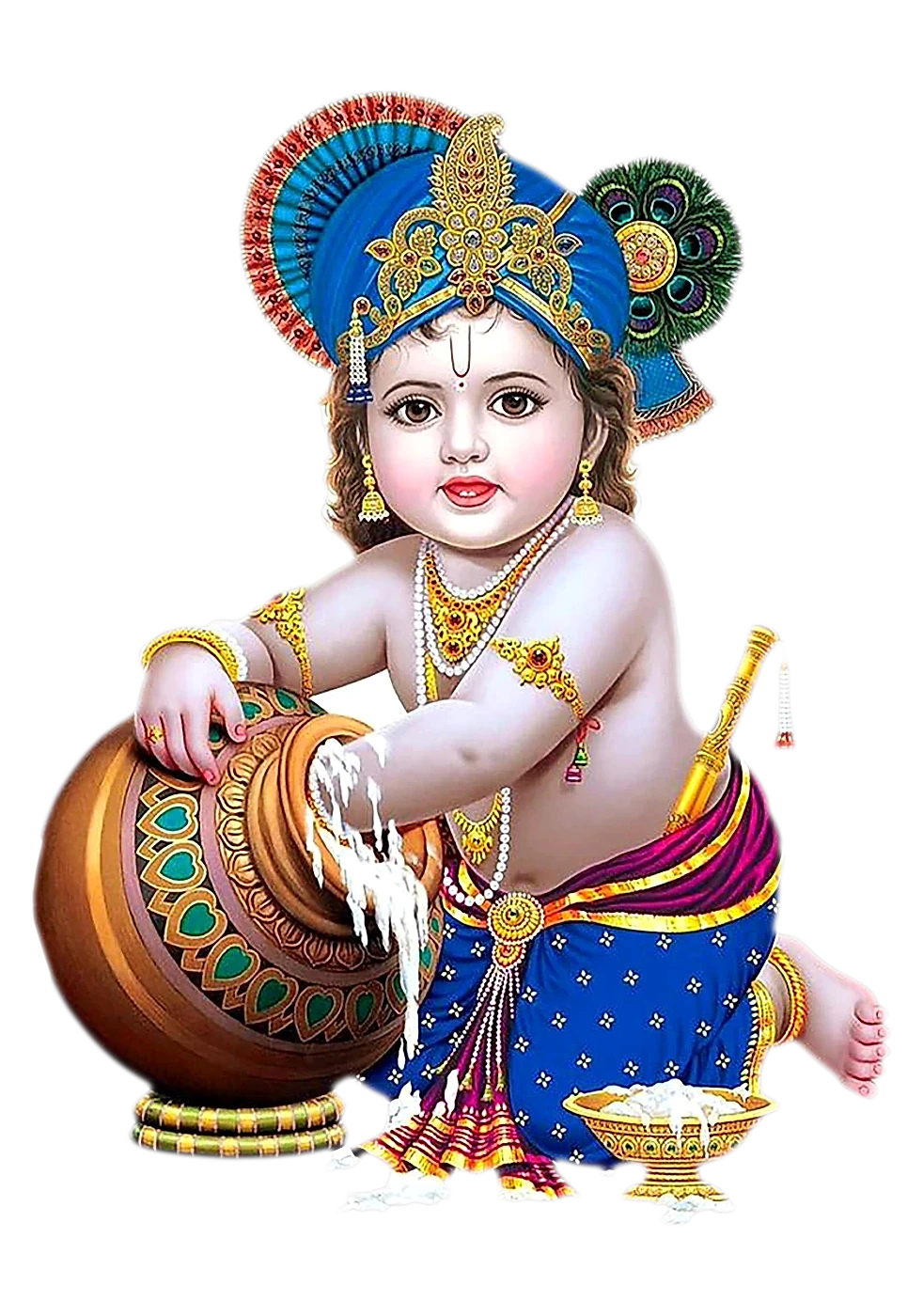
The Santan Gopal Mantra is chanted by couples with deep faith in Bal Gopal, seeking the blessing of a healthy child and a protected pregnancy.
Who is Santan Gopal Krishna?
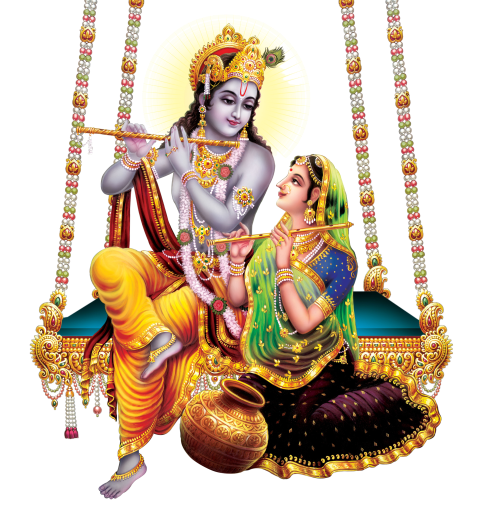
Santan Gopal refers to the child-form of Lord Krishna as the giver of progeny, worshipped by couples who desire a healthy child or seek protection during pregnancy. The tradition draws from the story of a Brahmin couple in Dwarka whose children repeatedly passed away shortly after birth; through the grace and intervention of Lord Krishna, their next child survived and thrived. Since then, the Santan Gopal Mantra has been chanted with great faith by couples across generations, invoking Krishna in his most tender, nurturing form as the protector of infants.
This mantra is not a guarantee independent of medical care; rather, it is a dharmic practice of faith, surrender and prayer that many devotees turn to alongside proper medical guidance and treatment.
Complete Santan Gopal Mantra (Devanagari)
देवकीसुत गोविन्द वासुदेव जगत्पते। देहि मे तनयं कृष्ण त्वामहं शरणं गतः॥
This is the principal and most widely used Santan Gopal Mantra shloka, chanted with devotion by couples seeking the blessing of a child. A shorter beej-based version used for daily quick chanting is:
ॐ श्रीं ह्रीं क्लीं ग्लौं देवकीसुत गोविन्द वासुदेव जगत्पते देहि मे तनयं कृष्ण त्वामहं शरणं गतः स्वाहा॥
Meaning of the Mantra
O Devaki's son, Govinda, Vasudeva, Lord of the universe, grant me a child, O Krishna; I have come to your refuge/shelter.
This simple, heartfelt verse expresses complete surrender to Krishna, acknowledging him as the ultimate giver of life and protector of children, and humbly requesting his blessing for progeny.
Why Chant the Santan Gopal Mantra
Couples chant this mantra when trying to conceive, during pregnancy for the wellbeing of the unborn child, or after difficulties such as miscarriage or infant loss, seeking Krishna's protective grace. It is also chanted by families as a prayer for a healthy, long life for a newborn child. The mantra is rooted in the belief that Krishna, who himself was protected through many dangers in his infancy, is the truest guardian of children.
How and When to Chant
Best time: Early morning (Brahma Muhurta) after bathing, ideally on Wednesdays or Ekadashi, which are auspicious for Krishna worship.
Seat: Sit facing east on a clean cloth or wooden seat, ideally in front of a Bal Gopal or Krishna idol/image.
Mala: Use a Tulsi mala, sacred to Lord Krishna.
Count: Chant 108 times daily (one mala); many devotees maintain this practice for 40 days or through the duration of trying to conceive and pregnancy.
Offering: Offer tulsi leaves, makhan-mishri (butter and sugar candy, Krishna's favourite), and a ghee lamp; keeping a small Bal Gopal murti nearby and gently rocking a small cradle (jhula) during worship is a traditional practice observed by many couples.
Do's and Don'ts
Do chant with humility, patience and complete faith, continuing medical treatment and consultation alongside the spiritual practice.
Do maintain purity of thought and speech, and involve both partners in the prayer where possible for shared devotion.
Do not lose patience or chant with anxiety and doubt; approach the practice as a surrendered prayer rather than a transactional demand.
Avoid discussing the practice with negativity or superstition-driven fear; keep the atmosphere at home peaceful and devotional.
Mahatmya (Glory) of the Mantra
The story of the Brahmin Sudama (not to be confused with Krishna's friend of the same name, in some tellings called Kashyap) whose children kept dying young until Krishna himself intervened is central to this mantra's significance. Krishna, moved by the couple's devotion and the Brahmin's public accusation of Krishna's failure to protect his devotees, personally ensured that their next child would live, teaching that sincere faith and surrender to the divine bring protection even in matters beyond human control. This story is often narrated in the Bhagavata tradition and reassures devotees that Krishna's compassion extends especially to the vulnerable and the innocent.
Frequently Asked Questions
Should this mantra be chanted instead of seeking medical help?
No. This mantra is a spiritual practice of faith and should always accompany, never replace, proper medical consultation and care from qualified doctors.
Can both husband and wife chant this mantra together?
Yes, joint chanting by the couple is considered especially auspicious, as it reflects shared devotion and intention.
How long should one continue this practice?
Many devotees chant for at least 40 days, continuing through the period of trying to conceive or through pregnancy for protection, with sincerity rather than a fixed timeline being most important.
Is this mantra suitable for praying for the wellbeing of an already-born child?
Yes, many parents also chant it to seek Krishna's ongoing protection and blessings for their child's health and long life.
Quick guide
Before you begin
Mantra
Khatu Shyam mantra
Om Shri Shyam Devaya Namah
Chant with love and surrender, especially before Shyam Baba katha, aarti, or bhog.
Bhav
Benefits devotees pray for
FAQ
Common questions
Should this mantra be chanted instead of seeking medical help?
No, it should always accompany, never replace, proper medical consultation and care.
Can both husband and wife chant this mantra together?
Yes, joint chanting by the couple is considered especially auspicious.
How long should one continue this practice?
Many devotees chant for at least 40 days, with sincerity being more important than a fixed timeline.
Is this mantra suitable for an already-born child?
Yes, many parents chant it seeking Krishna's ongoing protection and blessings for their child.
Seek Bal Gopal's Blessings Through Puja
Let our pandits perform a dedicated Santan Gopal Puja with full vidhi for couples seeking Krishna's blessing.