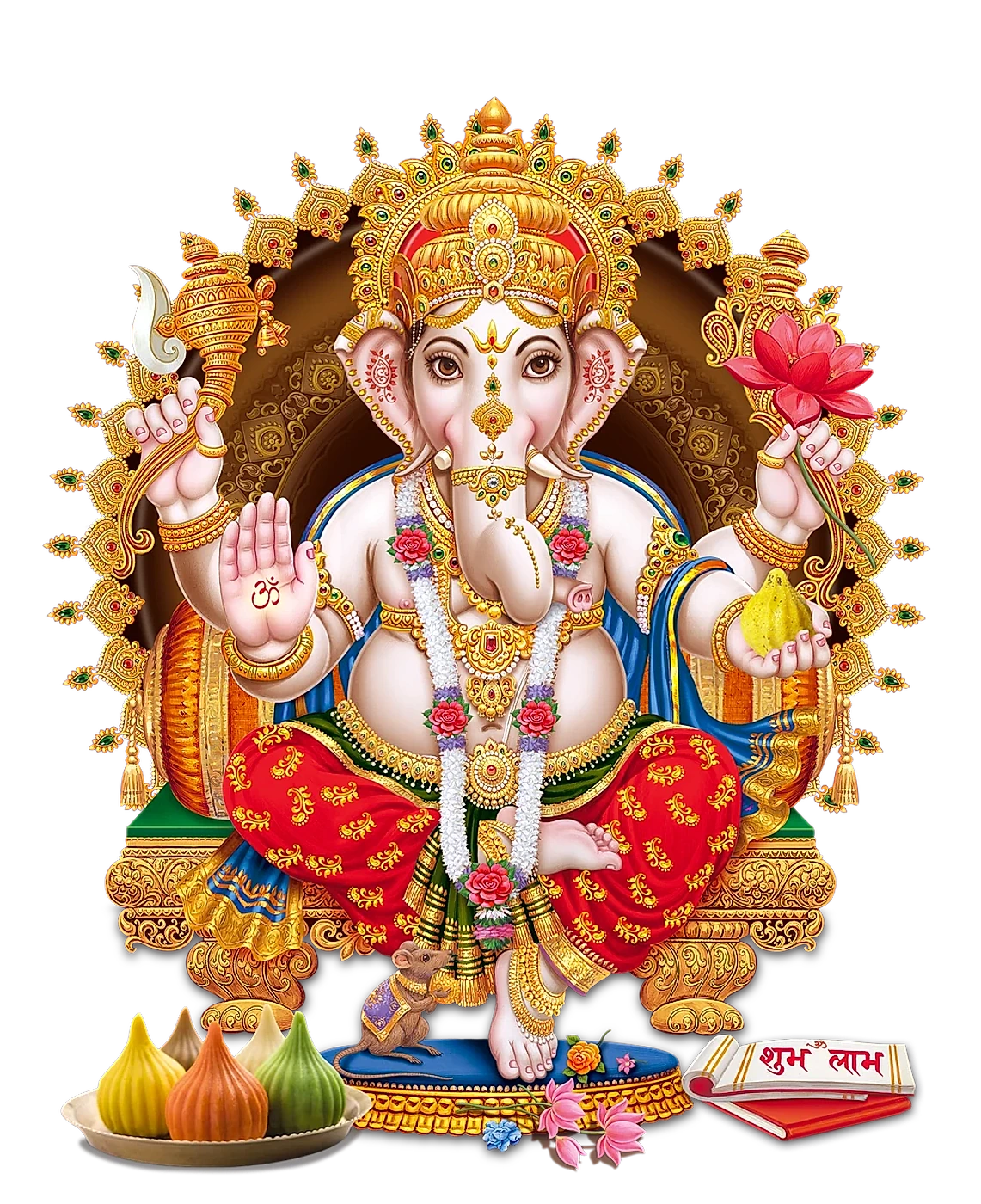


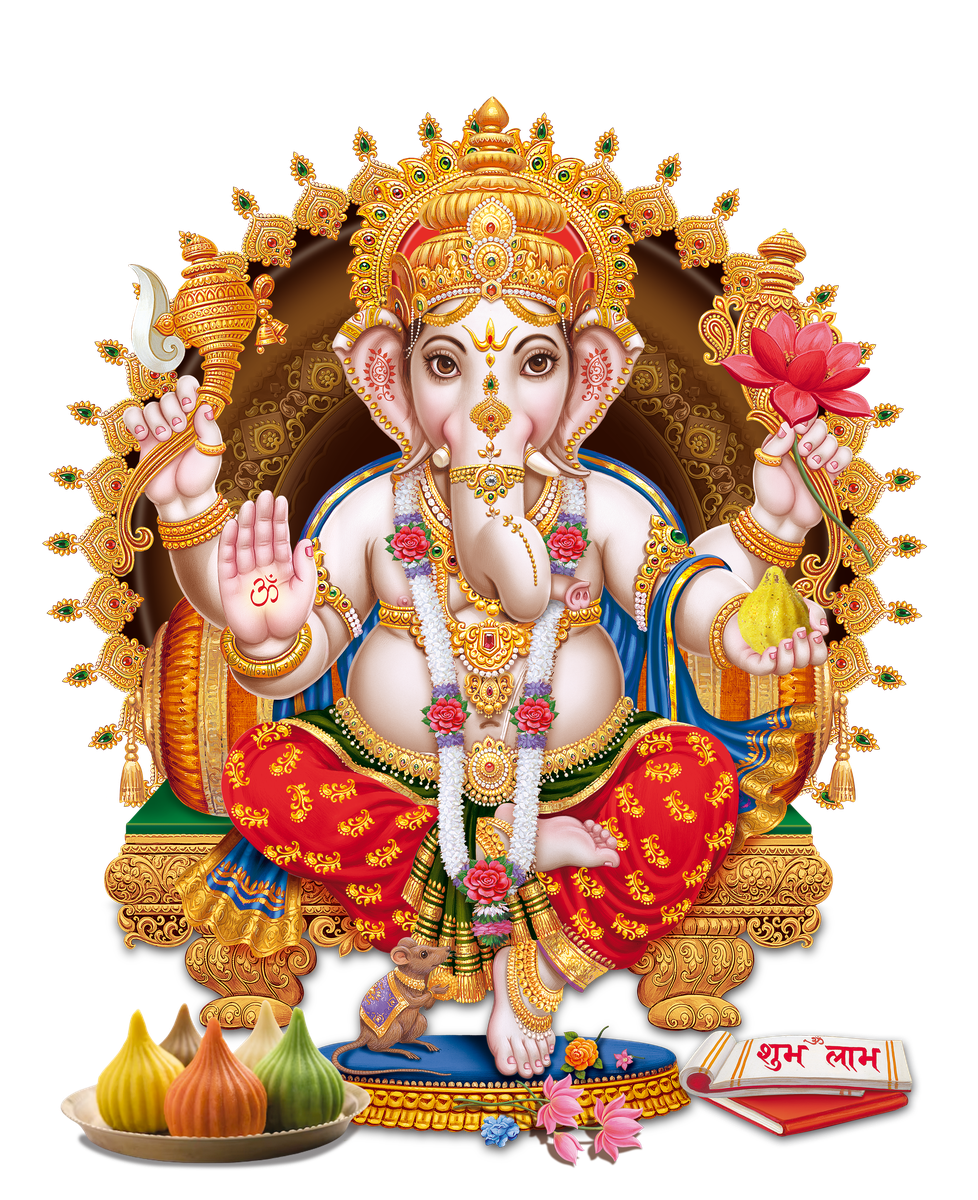
 गणपति बप्पा मोरया
The complete Sakat Chauth vrat katha, puja vidhi, chandra-arghya rules and the deep meaning behind this Ganesh fast kept by mothers for their children's well-being.
Sakat Chauth, also known as Sankashti Chaturthi, Tilkuta Chauth or Vakratunda Chaturthi, is observed on the Chaturthi tithi (fourth day) of the Krishna Paksha (waning moon fortnight) of the Magh month according to the Hindu calendar. This vrat is dedicated to Lord Ganesh, the remover of obstacles, and is kept primarily by mothers who pray for the long life, good health, prosperity and well-being of their sons and, in many families today, all their children. The word Sakat comes from sankat meaning trouble or crisis, and this vrat is believed to remove every kind of sankat from the life of one's children.
The Vrat Katha of Sakat Chauth
In ancient times, in a small village, there lived a potter who made earthen pots, toys and idols on his wheel and baked them in a kiln to sell in the market and earn his living. For a long time, whatever he placed in the kiln would break into pieces when it was taken out. No matter how carefully he shaped his pots and figurines, the kiln would destroy them all, and the potter fell into great financial distress. Unable to understand the reason for this misfortune, he went to the king's court and told him of his suffering.
The king summoned his astrologers and wise men, who deliberated and finally declared that this problem could only be solved if a child was placed into the kiln before it was lit, so that the fire god would be appeased and the potter's articles would no longer break. Hearing this troubling suggestion, the king was disturbed but eventually announced that whichever household's child wandered near the potter's kiln that night while playing would be taken for this purpose, and it would be regarded as fate.
That night, an old woman in the village, who was devoted to Lord Ganesh and observed the Sakat Chauth vrat with great faith every month, had a small grandson. Before letting him go out to play, as was her nightly custom, she lovingly told him, Sakat Chauth Maiya aur Ganesh ji tumhari raksha karein, meaning may Mother Sakat Chauth and Lord Ganesh protect you, and marked his forehead with turmeric, invoking the blessings of Ganesh ji.
That same night, it was this very boy who wandered close to the potter's kiln while playing with other children. Following the king's decree, he was placed into the kiln, which was then sealed and lit for the night. The grandmother, unaware of what had happened, waited anxiously for her grandson to return through the night, but kept her faith in Ganesh ji unshaken.
The next morning, when the potter opened his kiln expecting to find his wares broken as usual, he was astonished to see the boy sitting calmly inside, completely unharmed, playing with a laddoo in his hand, surrounded by pots, toys and idols perfectly baked and whole for the first time in months. Lord Ganesh, pleased by the grandmother's unwavering devotion and her daily invocation of his protection over the child, had personally shielded the boy from the fire.
Word of this miracle spread through the village and reached the king, who understood that it was the power of the Sakat Chauth vrat and the grace of Ganesh ji that had saved the innocent child and also solved the potter's problem forever. From that day, the practice of observing Sakat Chauth with full faith, fasting through the day, and worshipping Lord Ganesh in the evening before offering arghya to the moon became firmly established, with the belief that it protects one's children from every danger, illness and misfortune.
Puja Vidhi (Method of Worship)
On the day of Sakat Chauth, devotees wake up before sunrise, take a bath and resolve (sankalp) to observe the nirjala (waterless) or phalahari (fruits-only) vrat for the well-being of their children. Through the day, a small clay or metal idol of Ganesh ji is kept for worship, or the household Ganesh idol is cleaned and decorated. In the evening, an auspicious puja is performed.
Ganesh ji is bathed with clean water, then offered a red or yellow cloth, and adorned with sindoor, akshat (unbroken rice), durva grass and flowers.
A special offering called tilkuta, made of sesame seeds and jaggery, is prepared and offered as bhog, along with laddoos, especially til-gud laddoos, since this vrat falls in winter when sesame and jaggery are considered warming and auspicious.
A lamp of ghee or oil is lit, incense is offered, and the Sakat Chauth katha is read or listened to with the family gathered together.
The Ganesh aarti is performed after the katha.
The vrat is broken only after sighting the moon (chandrodaya) in the night and offering it arghya, water offered while facing the moon, along with prayers for the long life and prosperity of one's children. Since the moon rises quite late on this day, often close to nine or ten at night, this is traditionally one of the longer and more disciplined vrats of the year.
Significance and Benefits
Sakat Chauth is considered extremely powerful for the protection of children from illness, accidents and negative influences. Mothers observe this vrat with the belief that Ganesh ji, being the deity of wisdom, auspiciousness and obstacle-removal, personally safeguards their children when this vrat is kept with sincere devotion. It is also believed to bring financial stability and remove obstacles in family life, following the pattern of the potter in the katha whose livelihood was restored. Many families now keep this vrat as a shared act of gratitude and protection for all their children, not sons alone, and it strengthens the bond of faith between mother and child.
Do's and Don'ts
On this day, one should avoid eating grains before the moon is sighted if observing a strict fast; those unable to keep a nirjala fast may take fruits, milk or a single phalahari meal. Anger, harsh words and negativity should be avoided through the day. It is customary to feed Brahmins or the needy, and to show respect to elders in the household. The tilkuta and laddoo prasad should ideally be distributed among family and neighbours after the puja.
Frequently Asked Questions
Why is Sakat Chauth observed for sons specifically? Traditionally this vrat arose from the katha of a grandmother protecting her grandson, and hence became associated with praying for sons; today most families extend the same prayer and vrat for the well-being of all their children, regardless of gender.
Can the vrat be kept without fasting completely? Yes. While a strict nirjala fast is considered most powerful, those who are unwell, elderly, pregnant or otherwise unable may observe a phalahari vrat and still receive the blessings of Ganesh ji through sincere worship.
What is the correct time to break the fast? The fast is broken only after sighting the moon in the evening and offering it arghya, followed by a light meal, typically including the tilkuta and laddoo prasad offered to Ganesh ji.
Is Sakat Chauth the same as Sankashti Chaturthi? Sakat Chauth is the specific Sankashti Chaturthi that falls in the Magh month, considered the most significant of the twelve Sankashti Chaturthis observed through the year, each dedicated to Lord Ganesh.
Quick guide
Before you begin
Mantra
Ganesh mantra
Om Gam Ganapataye Namah
Chant before beginning the puja, aarti, study, business, or any new work.
Bhav
Benefits devotees pray for
FAQ
Common questions
Why is Sakat Chauth observed for sons specifically?
It arose from the katha of a grandmother protecting her grandson, and today most families keep it for the welfare of all children.
Can the vrat be kept without a full fast?
Yes, a phalahari (fruit-only) fast is acceptable for those unable to keep a nirjala fast.
When should the fast be broken?
Only after sighting the moon in the evening and offering it arghya, followed by a light meal.
Is Sakat Chauth the same as Sankashti Chaturthi?
It is the Sankashti Chaturthi of the Magh month, considered the most important of the twelve in the year.
Seek Ganesh Ji's Blessings for Your Family
Book a Sankashti Ganesh Puja performed with full vidhi for the well-being and protection of your children.