
 Maryada Purushottam Ka Avatar
The complete vrat katha, birth story and puja vidhi of Ram Navami, celebrating the divine appearance of Bhagwan Ram, the seventh avatar of Vishnu.
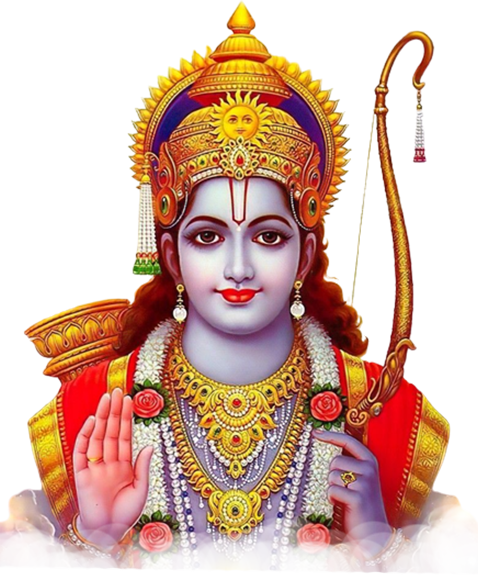
Ram Navami is celebrated on the ninth day, Navami, of the bright fortnight (Shukla Paksha) of the Hindu month of Chaitra, marking the divine appearance of Bhagwan Ram, the seventh avatar of Lord Vishnu, in Ayodhya. This day falls during Chaitra Navratri and holds immense significance for devotees across India, who observe a vrat, visit temples, recite the Ramayana, and celebrate the ideals of dharma, truth and righteousness that Lord Rama embodied throughout his life.
The Background: Raja Dashrath's Longing for a Son
The story of Ram Navami begins in the kingdom of Ayodhya, ruled by the noble King Dashrath of the Ikshvaku dynasty. Despite having three devoted queens, Kaushalya, Kaikeyi and Sumitra, Dashrath remained without an heir for many years, causing him great sorrow, for a kingdom without a successor was considered incomplete and vulnerable. Deeply troubled, he sought the counsel of his royal guru, Rishi Vashishtha, who advised him to perform the Putrakameshti Yagya, a sacred fire ritual specifically meant to bless a couple with worthy offspring.
Rishi Vashishtha invited the great sage Rishyashringa to conduct this yagya, as he possessed the spiritual power required for such a significant ritual. The yagya was performed with elaborate Vedic rites, and as the sacred fire blazed with devotion and mantras, a divine being emerged from the flames, radiant and magnificent, carrying a golden vessel filled with kheer, the sacred payasam. This celestial being declared that this payasam, if consumed by the queens, would grant King Dashrath the sons he longed for. The divine offering was called Havishya.
The Distribution of the Divine Kheer
Overjoyed, King Dashrath divided the kheer among his three queens according to their merit. He gave half of the kheer to his eldest and most beloved queen, Kaushalya. Of the remaining half, he gave half again to Kaikeyi, and from what remained, he gave the greater portion to Sumitra, ensuring all three queens received a share of the divine offering. In time, all three queens conceived. This part of the katha reflects the belief that divine grace was meant to bless the entire royal family, not one queen alone, setting the stage for the birth of four remarkable sons.
The Divine Birth of Lord Rama
After the passage of the ordained months, on the ninth day of Chaitra Shukla Paksha, at the auspicious moment of Abhijit Muhurta, under the ascendant of Punarvasu Nakshatra, Queen Kaushalya gave birth to a radiant son who would come to be known as Ram, the embodiment of dharma itself. It is described in the scriptures that the very cosmos rejoiced at this birth, the skies were filled with celestial music, flowers rained down from the heavens, and sages and devas alike sang praises, for this was no ordinary birth. Lord Vishnu had taken avatar as Ram specifically to rid the earth of the tyranny of the demon king Ravana, whose adharma had grown unbearable for the three worlds, and to establish Ram Rajya, an ideal reign governed entirely by dharma.
Queen Kaikeyi gave birth to Bharat, and Queen Sumitra, blessed with a double portion, gave birth to twin sons, Lakshman and Shatrughna. All four brothers grew up bound by deep love and loyalty, with Lakshman remaining Rama's most devoted companion throughout his life, including his fourteen years of exile.
The Childhood and Dharma of Rama
As Ram grew under the guidance of Guru Vashishtha, he mastered the Vedas, the art of warfare, and the deepest principles of dharma, becoming known as Maryada Purushottam, the ideal man who never once deviated from righteousness, whether as a son, brother, husband, friend, or king. His life, as narrated in the Ramayana composed by Maharishi Valmiki, unfolds through his marriage to Sita, his fourteen years of exile at the command of his father's promise to Kaikeyi, the abduction of Sita by Ravana, the epic battle in Lanka aided by Hanuman and the Vanar Sena, and his eventual triumphant return to Ayodhya to establish Ram Rajya, a reign celebrated as the golden standard of just and righteous governance.
Significance of Ram Navami
Ram Navami is not merely a celebration of a birth, it is a celebration of dharma taking human form to restore balance in a world overwhelmed by adharma. Lord Rama's life is considered the ultimate template for living righteously amid worldly duties and challenges, he was the ideal son who accepted exile without complaint to honour his father's word, the ideal husband devoted to Sita, the ideal brother cherished by Bharat, Lakshman and Shatrughna, the ideal friend to Sugriva and Hanuman, and the ideal king who placed his subjects' welfare above his own comfort. This is why devotees observe this day not just with festivity, but with introspection on how to bring these values into their own lives.
Vrat Vidhi (Fasting Rituals)
Devotees who observe the Ram Navami vrat rise early, bathe, and wear clean clothes before setting up a small mandir or altar with an idol or picture of Bhagwan Ram, often alongside Sita, Lakshman and Hanuman. A kalash is established, and the puja begins with an invocation to Lord Ganesha, followed by the main worship of Ram with roli, akshat, flowers, tulsi leaves, and a lit diya. Many devotees recite the Ramayana, particularly the Bal Kand describing Rama's birth, or the Ram Raksha Stotra and Hanuman Chalisa throughout the day. The fast is generally observed as a nirjala or phalahari vrat, meaning either without water or with fruits only, though the exact practice varies by family tradition and individual capacity, and it is broken only after the midday puja, at the believed time of Rama's birth, Madhyahna Kaal, around noon.
In many temples and homes, a symbolic cradle ceremony called Jhulan or Palna is performed, where a small idol of baby Rama is gently rocked in a decorated cradle, accompanied by devotional songs, recreating the joy of his birth. Kanya puja and feeding of Brahmins are also considered auspicious ways to conclude the observance.
Mahatmya (Glory) of Ram Navami
Scriptures describe that observing the Ram Navami vrat with sincere devotion bestows the blessings of righteousness, courage, and the strength to overcome life's obstacles, much as Lord Rama overcame every trial placed before him without wavering from dharma. It is believed that reciting the Ramayana or chanting Ram's name with devotion on this day purifies the mind and grants peace, prosperity and the fulfilment of righteous desires. Many devotees also undertake the Ram Navami vrat seeking blessings for children, family harmony, and success in righteous endeavours, echoing the very purpose of King Dashrath's original yagya.
Dos and Don'ts
Devotees are encouraged to maintain purity in thought, word and deed on this day, avoid anger, falsehood and unnecessary conflict, and dedicate time to reading or listening to the Ramayana. Non-vegetarian food, alcohol and onion-garlic are typically avoided during the vrat. The day is best spent in devotion, charity and service to others, in keeping with the values Lord Rama himself lived by.
Conclusion
The story of Ram Navami, from Dashrath's yearning for an heir to the miraculous appearance of the divine kheer and the radiant birth of Bhagwan Ram, is ultimately a story of dharma descending to earth in human form. Observing this vrat with sincerity connects the devotee not just to a historical or divine birth, but to the eternal ideals of righteousness, devotion and duty that Lord Rama embodied, values that remain as relevant today as they were in the age of Treta Yuga.
Quick guide
Before you begin
Mantra
Ram mantra
Shri Ram Jai Ram Jai Jai Ram
Chant slowly with devotion for courage, truth, protection, and mental peace.
Bhav
Benefits devotees pray for
FAQ
Common questions
What is Putrakameshti Yagya and why is it important to Ram Navami katha?
Putrakameshti Yagya is a sacred Vedic fire ritual performed by King Dashrath to be blessed with sons. It was through this yagya, conducted by Rishi Rishyashringa, that the divine kheer appeared, leading to the births of Ram, Bharat, Lakshman and Shatrughna.
At what time is Lord Ram believed to have been born?
Lord Ram is believed to have been born at Madhyahna Kaal, around noon, on Navami of Chaitra Shukla Paksha, under Punarvasu Nakshatra at the Abhijit Muhurta. Devotees traditionally break their fast and perform the main puja at this time.
Why is Lord Ram called Maryada Purushottam?
Maryada Purushottam means the ideal man who upheld dharma perfectly in every role of life, as a son, husband, brother, friend and king, never once deviating from righteousness even in the most difficult circumstances.
How should the Ram Navami vrat be broken?
The vrat is typically broken after the midday puja, once Lord Ram's birth is symbolically celebrated, often followed by prasad distribution, kanya puja, and feeding of Brahmins or the needy.
Seek Bhagwan Ram's Blessings This Ram Navami
Offer a puja to Bhagwan Ram for dharma, courage and wellbeing in your life and family.