


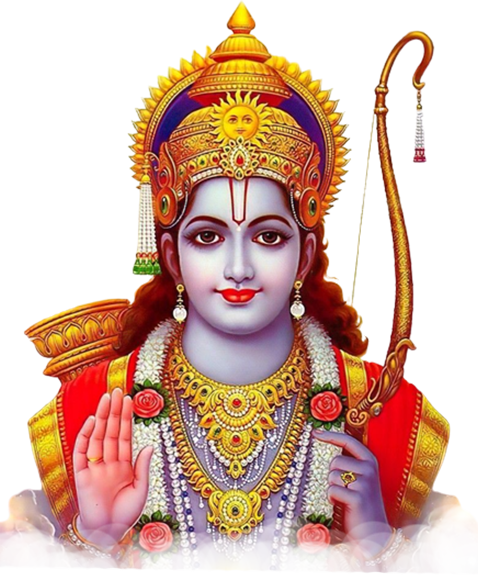
 रघुनाथ कृपालु, सत्य-सनातन स्वामी
The complete Ram Chalisa in Devanagari with meaning, vidhi and benefits, offering a devoted hymn of praise to Bhagwan Ram distinct from the Hanuman Chalisa.
Bhagwan Ram, the seventh avatar of Vishnu and the ideal of dharma, truth and devotion, is worshipped through many hymns, of which the Ram Chalisa is a lesser-known but deeply revered forty-verse praise, distinct from the Hanuman Chalisa. It opens with a Sanskrit shloka summarising the entire Ramayana and proceeds to a Hindi chaupai text glorifying Ram's compassion, truthfulness and protection of his devotees.
Complete Ram Chalisa (Devanagari)
आदौ राम तपोवनादि गमनं हत्वा मृगं कांचनं वैदेही हरणं जटायु मरणं सुग्रीव संभाषणं। बालीनिर्दलनं समुद्रतरणं लंकापुरीदाहनम् पश्चाद्रावणकुम्भकर्णहननम् एतद्धि रामायणम्॥
श्री रघुबीर भक्त हितकारी। सुनि लीजै प्रभु अरज हमारी॥ निशि दिन ध्यान धरै जो कोई। ता सम भक्त और नहिं होई॥
ध्यान धरे शिवजी मन माहीं। ब्रह्मा इन्द्र पार नहिं पाहीं॥ जय जय जय रघुनाथ कृपाला। सदा करो सन्तन प्रतिपाला॥
दूत तुम्हार वीर हनुमाना। जासु प्रभाव तिहूँ पुर जाना॥ तुव भुजदण्ड प्रचण्ड कृपाला। रावण मारि सुरन प्रतिपाला॥
तुम अनाथ के नाथ गोसाईं। दीनन के हो सदा सहाई॥ ब्रह्मादिक तव पार न पावैं। सदा ईश तुम्हरो यश गावैं॥
चारिउ वेद भरत हैं साखी। तुम भक्तन की लज्जा राखी॥ गुण गावत शारद मन माहीं। सुरपति ताको पार न पाहीं॥
नाम तुम्हार लेत जो कोई। ता सम धन्य और नहिं होई॥ राम नाम है अपरम्पारा। चारिहु वेदन जाहि पुकारा॥
गणपति नाम तुम्हारो लीन्हों। तिनको प्रथम पूज्य तुम कीन्हों॥ शेष रटत नित नाम तुम्हारा। महि को भार शीश पर धारा॥
फूल समान रहत सो भारा। पावत कोउ न तुम्हरो पारा॥ भरत नाम तुम्हरो उर धारो। तासों कबहुँ न रण में हारो॥
नाम शत्रुहन हृदय प्रकाशा। सुमिरत होत शत्रु कर नाशा॥ लषन तुम्हारे आज्ञाकारी। सदा करत सन्तन रखवारी॥
ताते रण जीते नहिं कोई। युद्ध जुरे यमहूँ किन होई॥ महा लक्ष्मी धर अवतारा। सब विधि करत पाप को छारा॥
सीता राम पुनीता गायो। भुवनेश्वरी प्रभाव दिखायो॥ घट सों प्रकट भई सो आई। जाको देखत चन्द्र लजाई॥
सो तुमरे नित पांव पलोटत। नवो निद्धि चरणन में लोटत॥ सिद्धि अठारह मंगल कारी। सो तुम पर जावै बलिहारी॥
औरहु जो अनेक प्रभुताई। सो सीतापति तुमहिं बनाई॥ इच्छा ते कोटिन संसारा। रचत न लागत पल की बारा॥
जो तुम्हरे चरनन चित लावै। ताको मुक्ति अवसि हो जावै॥ सुनहु राम तुम तात हमारे। तुमहिं भरत कुल-पूज्य प्रचारे॥
तुमहिं देव कुल देव हमारे। तुम गुरु देव प्राण के प्यारे॥ जो कुछ हो सो तुमहीं राजा। जय जय जय प्रभु राखो लाजा॥
रामा आत्मा पोषण हारे। जय जय जय दशरथ के प्यारे॥ जय जय जय प्रभु ज्योति स्वरूपा। निगुण ब्रह्म अखण्ड अनूपा॥
सत्य सत्य जय सत्य-ब्रत स्वामी। सत्य सनातन अन्तर्यामी॥ सत्य भजन तुम्हरो जो गावै। सो निश्चय चारों फल पावै॥
सत्य शपथ गौरीपति कीन्हीं। तुमने भक्तहिं सब सिद्धि दीन्हीं॥ ज्ञान हृदय दो ज्ञान स्वरूपा। नमो नमो जय जापति भूपा॥
धन्य धन्य तुम धन्य प्रतापा। नाम तुम्हार हरत संतापा॥ सत्य शुद्ध देवन मुख गाया। बजी दुन्दुभी शंख बजाया॥
सत्य सत्य तुम सत्य सनातन। तुमहीं हो हमरे तन मन धन॥ याको पाठ करे जो कोई। ज्ञान प्रकट ताके उर होई॥
आवागमन मिटै तिहि केरा। सत्य वचन माने शिव मेरा॥ और आस मन में जो ल्यावै। तुलसी दल अरु फूल चढ़ावै॥
साग पत्र सो भोग लगावै। सो नर सकल सिद्धता पावै॥ अन्त समय रघुबर पुर जाई। जहाँ जन्म हरि भक्त कहाई॥
श्री हरि दास कहै अरु गावै। सो वैकुण्ठ धाम को पावै॥
सात दिवस जो नेम कर पाठ करे चित लाय। हरिदास हरिकृपा से अवसि भक्ति को पाय॥ राम चालीसा जो पढ़े रामचरण चित लाय। जो इच्छा मन में करै सकल सिद्ध हो जाय॥
Meaning
Opening Sanskrit Shloka: This verse summarises the Ramayana in brief — Ram's departure for the forest hermitage, the killing of the golden deer (Maricha), the abduction of Vaidehi (Sita), the death of Jatayu, the meeting with Sugriva, the defeat of Bali, the crossing of the ocean, the burning of Lanka, and finally the killing of Ravana and Kumbhakarna — "this indeed is the Ramayana."
Verses 1-4: The devotee addresses Ram as the well-wisher of his devotees and asks him to listen to his prayer. Whoever meditates on him day and night has no equal devotion; even Shiva, Brahma and Indra cannot fully fathom his glory. The devotee repeatedly salutes Ram as compassionate, the eternal protector of saints, whose valiant messenger is Hanuman, renowned in all three worlds, and whose powerful arms protected the gods by defeating Ravana.
Verses 5-10: Ram is the lord and refuge of the helpless, always aiding the humble. Even Brahma cannot fathom him fully, and the gods sing his glory eternally. The four Vedas and Bharat himself bear witness that Ram always protected the honour of his devotees; Saraswati herself cannot fully praise him, nor can even Indra. Whoever takes his name attains supreme fortune, for Ram's name is boundless and is called upon by all four Vedas.
Verses 10-20: Even Ganapati took Ram's name and was thereby made the first worshipped deity; Sheshnag continually chants his name while bearing the weight of the earth on his head, a burden that feels as light as a flower through Ram's grace. Bharat holds Ram's name in his heart and is thus never defeated in battle; the name of Shatrughna reflects in his heart and destroys enemies at the mere thought; Lakshman, ever obedient to Ram's command, constantly protects the saints, making them invincible even against Yama. Ram is described as the one whose avatar of supreme Lakshmi (as Sita) purified the world of sin.
Significance and Benefits
The Ram Chalisa is chanted by devotees who wish to draw closer to the ideals Bhagwan Ram embodies — truthfulness, duty, compassion and steadfastness. Sincere recitation is believed to:
Strengthen resolve and patience during difficult family or personal decisions, echoing Ram's own patient endurance of exile.
Invite protection and courage, as the hymn repeatedly emphasises Ram as the eternal protector of saints and devotees.
Bring a sense of moral clarity and truthfulness (satya) into daily conduct, since the closing verses repeatedly stress "satya, satya" — truth above all.
Deepen family harmony, as Ram's life is remembered as the ideal of familial duty between father, brothers, wife and subjects.
How and When to Chant (Vidhi)
Best day: Ram Navami is the most significant occasion; the chalisa is also chanted daily, or specifically over a seven-day vrat (nema) as described in its own closing doha.
Best time: Early morning after bathing, facing east, in a clean and quiet space.
Preparation: Offer tulsi leaves and fresh flowers before a picture or murti of Ram, Sita, Lakshman and Hanuman if available, and light a ghee diya.
Method: Recite the chalisa once daily with a calm and attentive mind; those observing the seven-day nema recite it consistently at the same time each day for the full week.
Conclude with a short prayer of gratitude and, where possible, an offering of simple, sattvic food (naivedya) such as fruits or leafy greens, as mentioned in the hymn itself.
Dos and Don'ts
Do maintain truthfulness in speech and conduct while observing this practice, since the chalisa repeatedly emphasises Ram as the embodiment of satya.
Do chant with patience and steadiness, mirroring Ram's own qualities of calm endurance.
Do complete the seven-day nema without interruption if you undertake it, as tradition holds consistency to be important.
Avoid chanting mechanically without reflecting on the values of duty and truth the hymn describes.
Avoid confusing the Ram Chalisa with the Hanuman Chalisa — they are related but distinct hymns.
Mahatmya (Glory of the Chalisa)
Tradition holds that reciting the Ram Chalisa with sincerity for seven consecutive days, as prescribed in its closing doha, brings the reciter closer to true bhakti through Hari's grace. Families often recite it during Ram Navami celebrations alongside the reading of the Ramcharitmanas, using the hymn as an accessible daily entry point into the larger devotion to Bhagwan Ram observed throughout the Chaitra month.
Frequently Asked Questions
Is the Ram Chalisa the same as the Hanuman Chalisa? No. Though both are forty-verse hymns from the same devotional tradition, the Ram Chalisa is addressed directly to Bhagwan Ram, while the Hanuman Chalisa praises Hanuman.
Who composed the Ram Chalisa? The closing verses attribute the hymn to a devotee named Haridas, describing the fruit of reciting and singing it with devotion.
Is there a recommended duration for chanting it? Its own closing doha recommends a seven-day observance (nema) of focused daily recitation, though many devotees also chant it daily without a fixed period.
Which day is most auspicious for the Ram Chalisa? Ram Navami, marking Bhagwan Ram's birth, is considered the most auspicious occasion, though daily recitation is also common throughout the year.
Quick guide
Before you begin
Mantra
Ram mantra
Shri Ram Jai Ram Jai Jai Ram
Chant slowly with devotion for courage, truth, protection, and mental peace.
Bhav
Benefits devotees pray for
FAQ
Common questions
Is the Ram Chalisa the same as the Hanuman Chalisa?
No, they are related but distinct hymns; the Ram Chalisa is addressed directly to Bhagwan Ram.
Who composed the Ram Chalisa?
The closing verses attribute it to a devotee named Haridas.
Is there a recommended duration?
The closing doha recommends a focused seven-day (nema) observance, though daily recitation is also common.
Which day is most auspicious?
Ram Navami is considered the most auspicious, though daily chanting is common throughout the year.
Seek Bhagwan Ram's Blessings Through a Sacred Puja
Let our pandits perform an authentic Ram Puja with sankalp in your name and gotra, especially meaningful around Ram Navami or for family harmony.