
 Sneh Ka Pavitra Bandhan
The complete story, meaning and puja vidhi of Raksha Bandhan, the sacred thread festival that binds brothers and sisters in protection and love.
Raksha Bandhan is one of the most cherished festivals of Sanatan Dharma, celebrated every year on the full moon day (Purnima) of the Hindu month of Shravan. The word Raksha Bandhan literally means the bond of protection. On this day, a sister ties a sacred thread, the rakhi, on her brother's wrist, praying for his long life and wellbeing, while the brother in turn vows to protect her through every circumstance of life. But Raksha Bandhan is far greater than a festival between siblings alone. Through the ages, it has stood for any bond where one soul pledges protection and care for another, whether between a wife and husband, a guru and disciple, a king and his subjects, or a devotee and the divine.
The Legend of Indra and Indrani
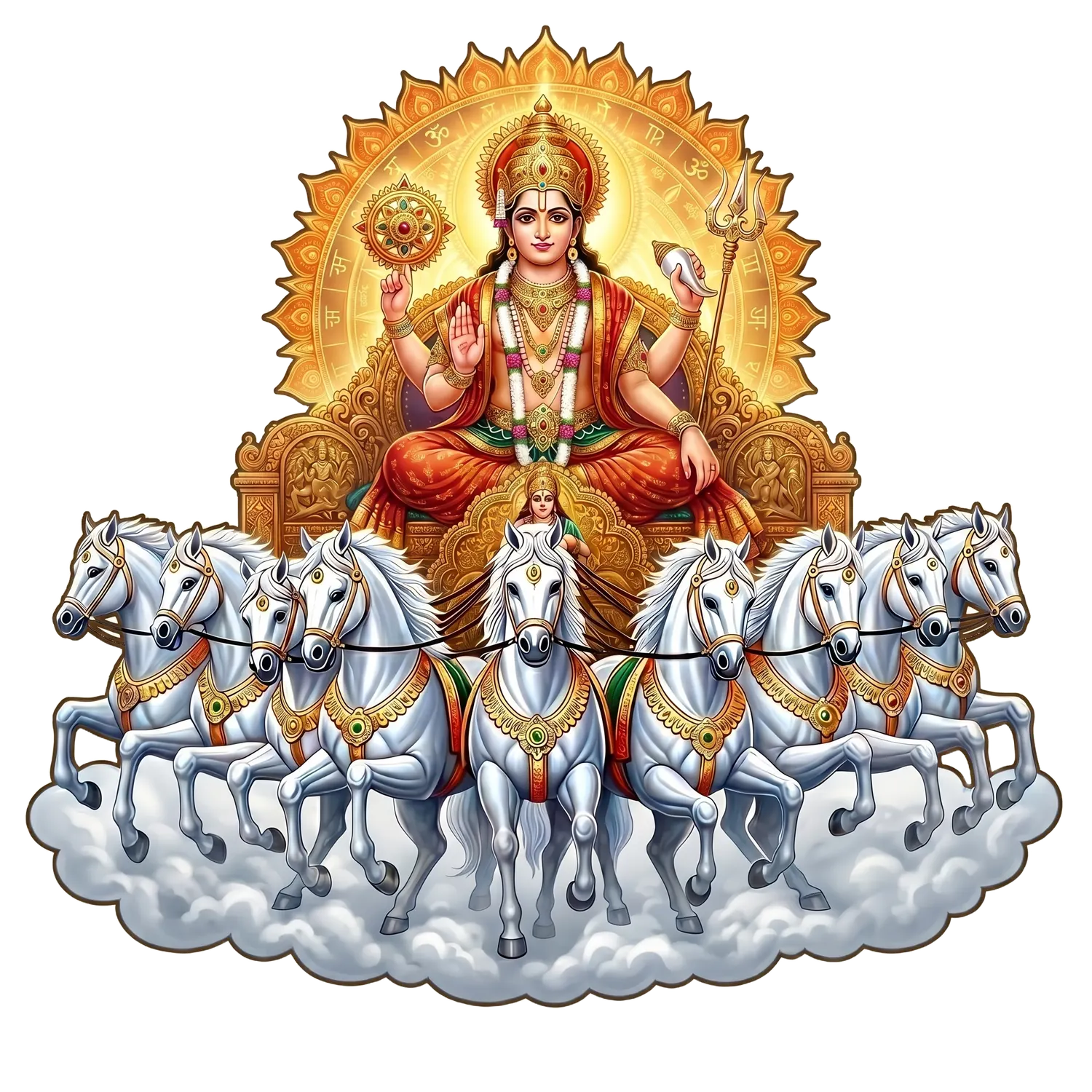
The oldest known reference to the rakhi thread appears in the Bhavishya Purana, connected to a fierce battle between the devas, led by Indra, and the asuras, led by the demon king Vritra. The war raged for twelve long years and the devas, despite their strength, were losing ground. Indra grew anxious and disheartened, uncertain whether Amravati, the celestial city, could be saved.
Seeing her husband's distress, Indra's wife, Sachi Devi (Indrani), approached Guru Brihaspati for guidance. On his instruction, she prepared a sacred protective thread empowered through mantras and tied it around Indra's right wrist on the full moon day of Shravan. She prayed with complete devotion that this thread carry the power to shield her husband from all harm. Fortified by his wife's blessing and the sanctified thread, Indra returned to the battlefield with renewed courage and ultimately defeated Vritrasura, restoring peace to the three worlds. From that day, the tradition of tying a raksha sutra (protective thread) for the wellbeing of a loved one began, and this thread came to be known as Rakhi.
The Katha of Krishna and Draupadi
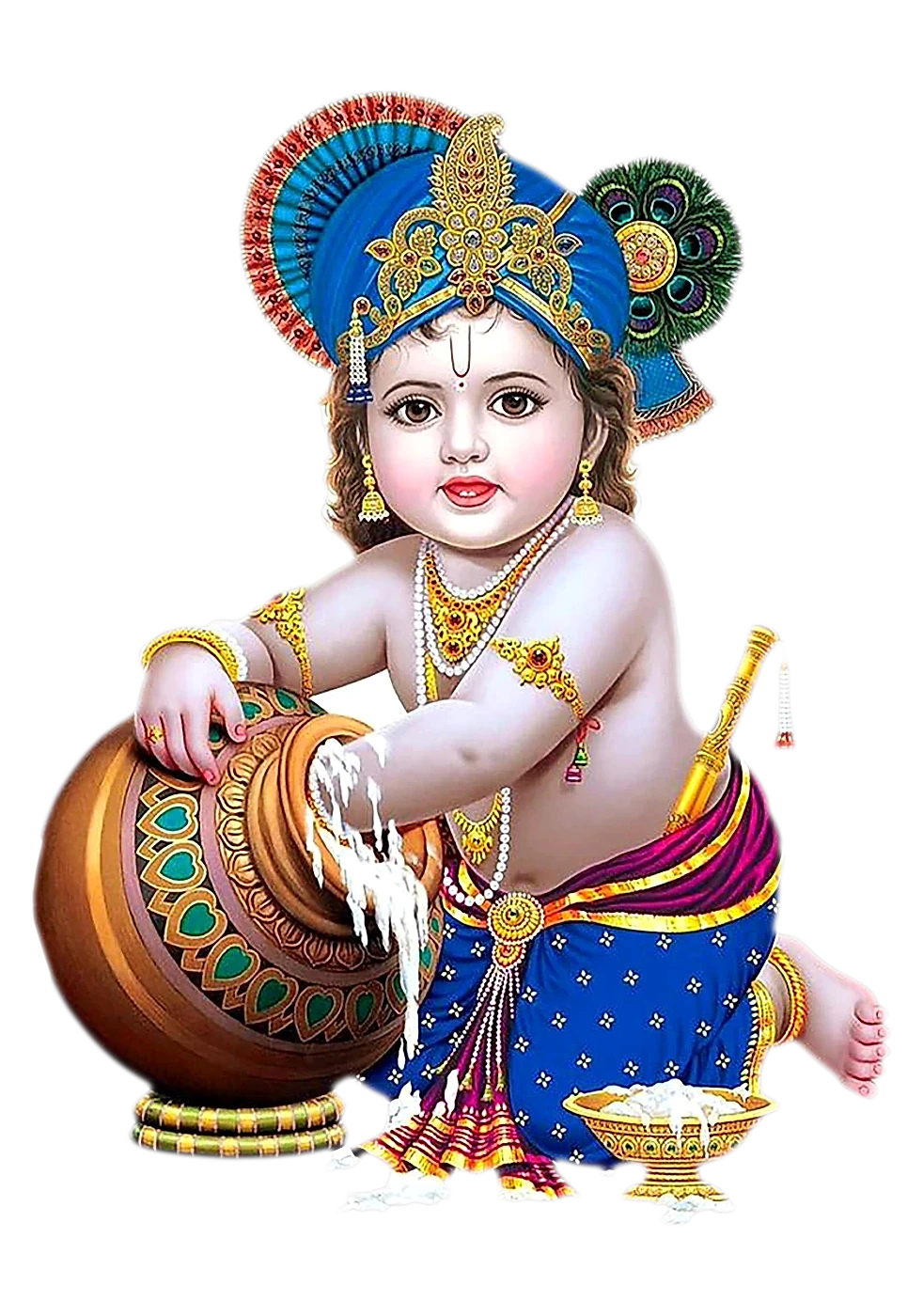
Among the most beloved stories associated with Raksha Bandhan is the bond between Lord Krishna and Draupadi, which, though it does not involve a rakhi thread in the earliest telling, beautifully embodies the very spirit of the festival. During the Shishupala Vadha episode of the Mahabharata, when Lord Krishna used the Sudarshan Chakra to slay Shishupala, the discus, in its swift return, cut His finger. Blood began to flow from the wound. Draupadi, who was standing nearby, immediately tore a strip of cloth from the end of her saree and tied it around Krishna's bleeding finger to stop the flow.
Touched deeply by this simple, selfless act of care, Krishna declared that He now considered Draupadi His sister and promised that he would repay this debt of protection whenever she needed Him. Years later, this promise was fulfilled in the most dramatic way, when Draupadi was dragged into the Kaurava court and Duhshasana attempted to disrobe her. As she cried out to Krishna in her hour of helplessness, He miraculously extended the length of her saree infinitely, protecting her honour when no one else could. This story illustrates the true essence of Raksha Bandhan, that the bond of protection is not bound by blood alone but by the purity of love and dharma.
Raja Bali and Goddess Lakshmi
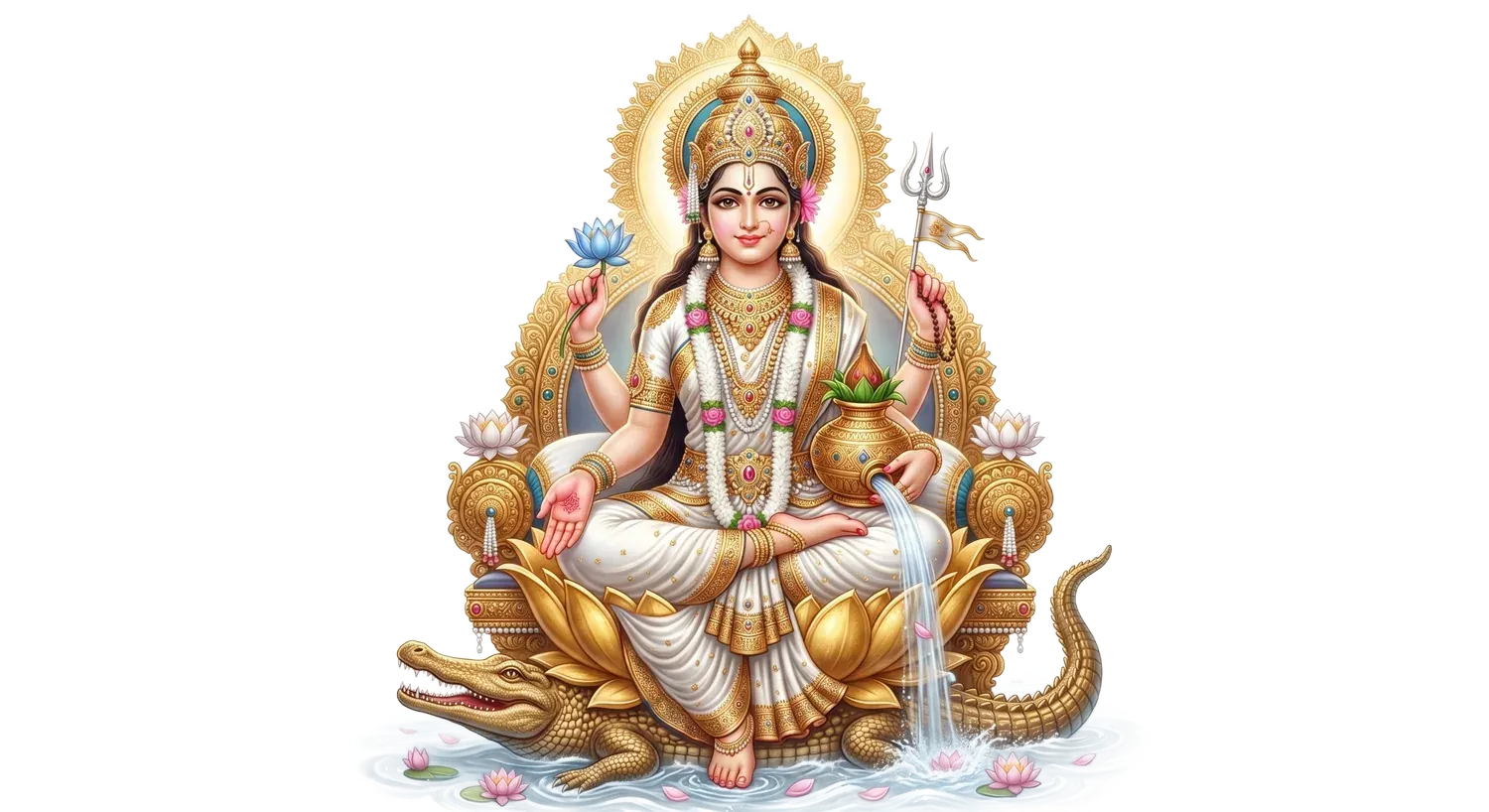
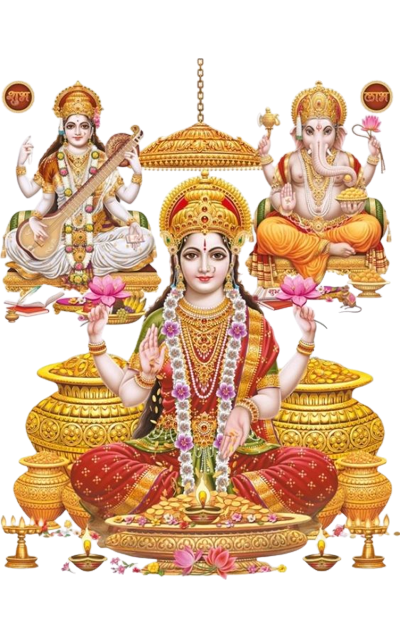
Another cherished legend connects Raksha Bandhan to Lord Vishnu himself. When the generous demon king Bali, having surrendered everything to Vishnu in His Vamana avatar, requested that the Lord stay with him in Patal Loka, Vishnu agreed out of His fondness for Bali's devotion. Goddess Lakshmi, however, wished for her husband to return to Vaikuntha. Disguised as a poor Brahmin woman, she approached King Bali and tied a rakhi on his wrist, declaring him her brother. Moved by her gesture, Bali asked what he could offer her, and Lakshmi requested that Lord Vishnu be allowed to return with her. Bali, honouring the sacred bond of the rakhi, granted her wish. This is why, in some traditions, Raksha Bandhan is also called Bali Pratipada or Baleva, and it teaches that even a bond formed through devotion and sincerity carries the power to change destiny.
Historical Significance: Rani Karnavati and Humayun
Raksha Bandhan also finds a place in Indian history. It is said that when Rani Karnavati, the widowed queen of Mewar, faced the imminent invasion of Bahadur Shah, she sent a rakhi to the Mughal emperor Humayun, seeking his protection as a brother. Though he belonged to a different faith, Humayun is said to have honoured the sentiment of the rakhi and marched to her aid. Whether entirely historical or partly legend, this story has become woven into the cultural memory of Raksha Bandhan, showing that the thread's power transcends religion and represents a universal human bond of trust and protection.
The Deeper Meaning of Raksha Bandhan
At its heart, Raksha Bandhan is a celebration of dharma, the sacred duty we owe to those we love. The rakhi thread, though physically fragile, is imbued with the strength of a vow. When a sister ties it, she is not merely performing a ritual, she is invoking blessings for her brother's health, prosperity and long life. When the brother accepts it, he is accepting a lifelong responsibility to stand by her, to protect her dignity, and to be present in her times of need. This exchange is built on mutual respect rather than obligation alone.
The festival is also a reminder that protection is not one-directional. While the popular understanding is of a brother protecting a sister, the deeper Puranic tradition, particularly the Indra-Indrani episode, shows that women too tie rakhis for strength, courage and protection over their loved ones. In many families, sisters tie rakhi to brothers, but also to father figures, close friends, and in temples, priests tie a raksha sutra on devotees as a blessing of protection from Bhagwan.
Puja Vidhi of Raksha Bandhan
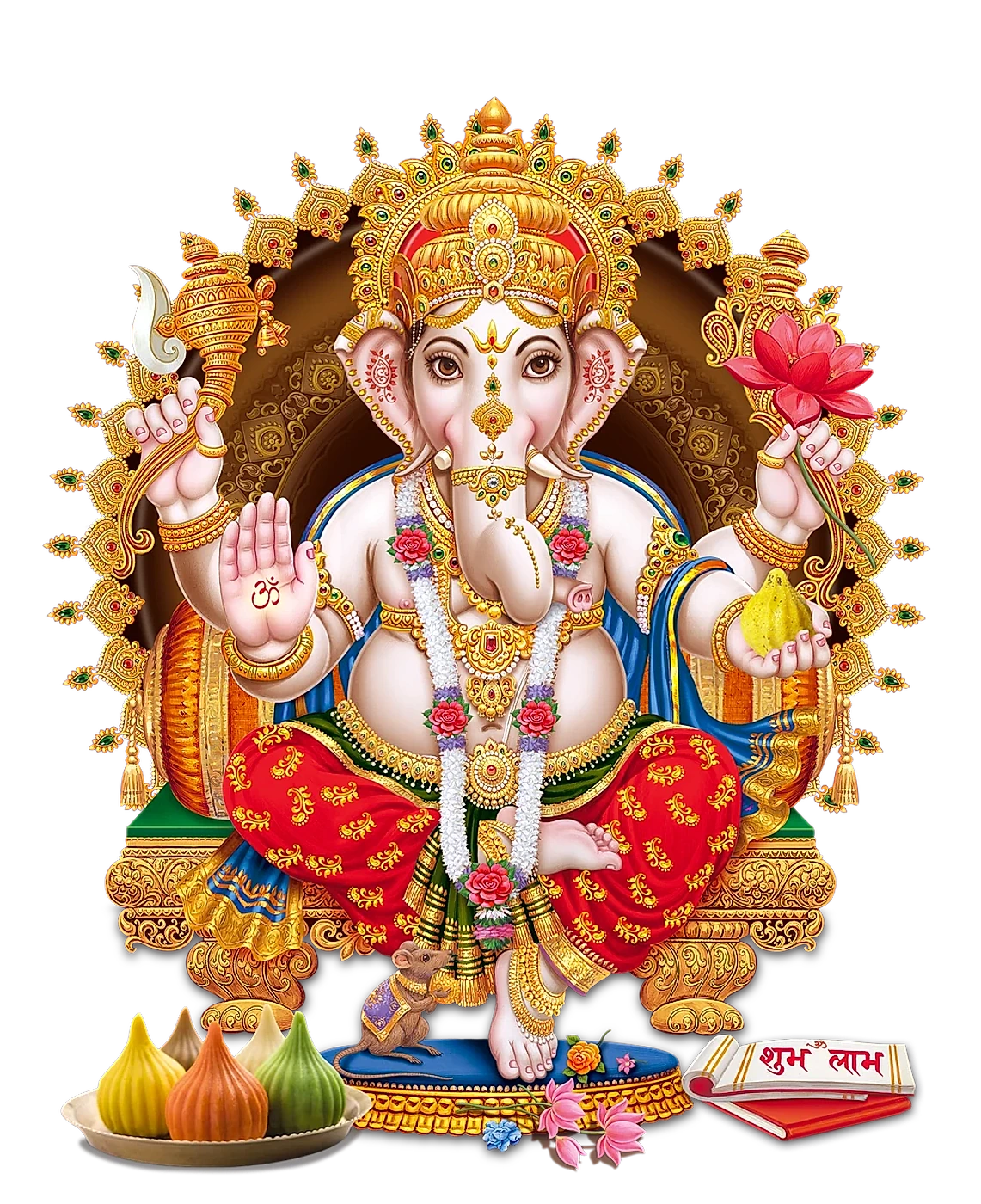
On the morning of Raksha Bandhan, both brother and sister should bathe and wear clean clothes. A puja thali is prepared with a rakhi, roli (vermillion), akshat (unbroken rice grains), a small diya, and sweets. The sister first performs a short aarti for her brother, applies a tilak of roli and akshat on his forehead, and ties the rakhi on his right wrist while reciting his wellbeing in her heart or aloud with a simple prayer. She then offers him sweets, and he offers his blessings along with a gift as a token of his promise. Many families begin the day by remembering Ganesh Ji and their family deity before the rakhi ceremony, seeking blessings for the bond to remain strong and joyful. It is auspicious to perform this during the daytime, avoiding Bhadra Kaal, which is traditionally considered inauspicious for tying rakhi, as per the Bhavishya Purana's account of Ravana being tied a rakhi during Bhadra by his sister, which is said to have led to his downfall.
Mahatmya (Glory) of the Festival
Raksha Bandhan holds a special place because it sanctifies the emotional bond between siblings through spiritual ritual, reminding society of the values of protection, respect and selfless love. In a Vedic sense, tying a rakhi is also compared to a sankalp, a sacred vow, similar to those made during other important observances. The thread, though simple, becomes a living reminder throughout the year of the promise exchanged on that day. Many devotees also visit temples on this day to have a raksha sutra tied by a priest as a blessing for protection from negative energies and obstacles, connecting the festival to broader spiritual wellbeing, not just familial bonds.
Dos and Don'ts
It is considered auspicious to tie the rakhi before noon and to avoid the Bhadra period. The rakhi should ideally be tied facing east or north, and the brother should keep his head covered during the ritual as a mark of respect. One should avoid tying a black or a broken rakhi, as these are considered inauspicious. The exchange should be done with a sense of sincerity and joy rather than mere formality, keeping the spiritual meaning of the vow at the centre of the celebration.
Conclusion
Raksha Bandhan, in every version of its story, from Indra and Indrani to Krishna and Draupadi to Bali and Lakshmi, carries one unchanging truth, that love expressed through the vow of protection is among the most sacred bonds in Sanatan Dharma. It is a festival that transcends blood relation and reminds every soul that dharma calls upon us to protect those who trust us, and that even the smallest thread of pure intention holds the power to move destinies.
Quick guide
Before you begin
Mantra
Lakshmi mantra
Om Shreem Mahalakshmyai Namah
Chant on Friday or during Lakshmi puja for prosperity, grace, and sattvic abundance.
Bhav
Benefits devotees pray for
FAQ
Common questions
Why is Bhadra Kaal avoided while tying rakhi?
According to the Bhavishya Purana, Ravana was tied a rakhi by his sister during Bhadra Kaal and later met his downfall. Since then, Bhadra period is traditionally considered inauspicious for tying rakhi, and devotees avoid it while choosing the muhurta.
Can sisters tie rakhi to someone other than a biological brother?
Yes. Raksha Bandhan celebrates the spirit of protection and care, not blood relation alone. Sisters commonly tie rakhi to cousins, close friends, father figures, or even priests tie a raksha sutra on devotees as a blessing.
What is the significance of the Krishna-Draupadi rakhi story?
It shows that a bond of protection can be formed through a single act of love and care, and that the divine honours such bonds by protecting the one who showed compassion, as Krishna did for Draupadi in her hour of need.
Is there a specific mantra to recite while tying rakhi?
A traditional shloka often recited is a prayer invoking strength and protection, similar in spirit to the one used for Indra. Reciting the brother's or sister's wellbeing with sincere devotion is considered equally important as any fixed mantra.
Seek Divine Blessings for Your Family
Offer a puja for the protection, harmony and prosperity of your family bond this Raksha Bandhan.