
 पंचाक्षर मंत्र
Om Namah Shivaya, the sacred Panchakshari Mantra of Bhagwan Shiva, is one of the simplest yet most powerful mantras for inner peace, courage and spiritual awakening.
Om Namah Shivaya is known as the Panchakshari Mantra, the five-syllable mantra, and is among the most chanted mantras in all of Sanatan Dharma. It is found in the Shri Rudram of the Yajurveda and is considered a complete spiritual path in itself. Unlike mantras that ask for specific boons, Om Namah Shivaya is a mantra of pure surrender, an offering of the self at the feet of Bhagwan Shiva, the Adiyogi and the Auspicious One.
The Complete Mantra (Sanskrit)
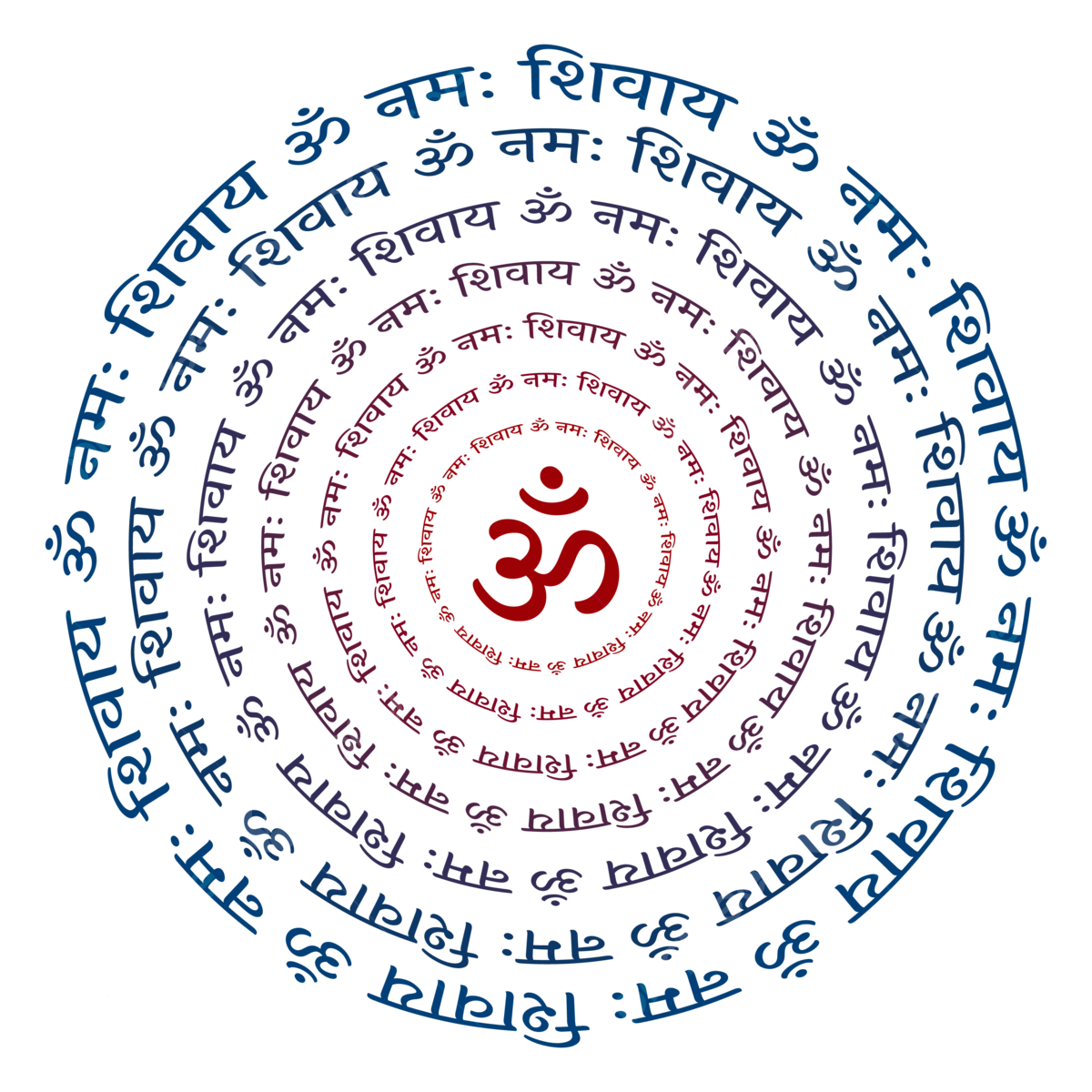
ॐ नमः शिवाय
Transliteration: Om Namah Shivaya
Meaning of Each Syllable
The mantra, when the sacred Om is included, has five core syllables: Na, Ma, Shi, Va, Ya. Each of these five syllables (Panchakshara) is deeply symbolic and is traditionally linked to the five elements (Pancha Mahabhuta):
Na (न): represents Prithvi, the earth element, and also Bhagwan Shiva's form as Nandi, his sacred bull, or the principle that grounds and roots us. Ma (म): represents Jal, the water element, associated with purity and the flow of life. Shi (शि): represents Agni, the fire element, and is the very heart of the mantra, meaning Shiva, the Auspicious One. Va (व): represents Vayu, the air element, the breath and life force that moves through creation. Ya (य): represents Akasha, the space or ether element, symbolizing infinity and pure consciousness.
Om, placed before the five syllables, is the primordial sound of the universe, the vibration from which all creation arises. Namah means salutation, surrender, bowing down. Shivaya refers to Bhagwan Shiva, the auspicious, benevolent one, the destroyer of ignorance and the transformer of all that is impure.
Overall Meaning
Om Namah Shivaya means, I bow to Shiva, I surrender to that auspicious consciousness which pervades the five elements and all of creation. It is a mantra of humility and total surrender, dissolving the ego and connecting the chanter to the formless, eternal Shiva tattva that exists within every being.
Significance of the Mantra
This mantra is unique because it does not ask Bhagwan Shiva for wealth, health or any specific outcome. It is a mantra of pure devotion and self-surrender. Sages describe it as a doorway to inner transformation, a mantra that gradually purifies the mind, dissolves negative tendencies, and awakens the dormant divine consciousness within. It is said that even chanting this mantra once with true feeling brings the grace of Mahadev.
Benefits of Chanting Om Namah Shivaya
Brings deep inner peace and stills a restless, agitated mind. Builds courage, willpower and emotional resilience during difficult times. Dissolves ego, anger and negative emotions over time. Supports meditation and helps the practitioner move toward self-realisation. Removes obstacles and negative energy from one's surroundings. Strengthens focus, discipline and a sense of surrender to a higher power. Invokes the protective and transformative grace of Bhagwan Shiva in daily life.
How and When to Chant
Best day: Monday, and especially during Shravan month, Mahashivratri, and Pradosh Vrat days. Best time: Brahma Muhurat (before sunrise) is considered most powerful, though it can be chanted at any time of day with sincerity. Seat and direction: Sit in a quiet place, ideally facing east or north, near a Shivling or Shiva image if available. A simple, clean seat (aasan) made of cotton or wool is traditional. Mala: Use a Rudraksha mala of 108 beads. Chant one full mala at a time, and gradually increase to multiple malas daily if desired. Method: The mantra can be chanted aloud (Vaikhari Jaap), in a whisper (Upanshu Jaap), or silently in the mind (Manasik Jaap), which is considered the most powerful once the practitioner is comfortable with the mantra. Focus the mind on the third eye or the heart centre while chanting, and visualise Bhagwan Shiva's calm, meditative form.
Dos and Don'ts
Chant with a calm, unhurried mind rather than mechanically rushing through repetitions. Maintain cleanliness of body and surroundings before sitting for jaap. Avoid chanting with anger, greed or impure intentions in the heart. Be consistent; even five to ten minutes daily is more powerful than occasional long sessions. Do not interrupt the mala count with unrelated conversation; maintain a meditative atmosphere.
Mahatmya (Glory) of the Mantra
It is said in the shastras that Om Namah Shivaya is so complete that a sincere devotee needs no other mantra. Saints and yogis across centuries, from ancient rishis to modern spiritual teachers, have used this mantra as their primary sadhana, describing it as capable of leading one from ignorance to self-realisation, from restlessness to profound peace, and from fear to fearlessness.
Frequently Asked Questions
What does Om Namah Shivaya literally mean? It means I bow to Shiva or I surrender to the auspicious one, offering reverence to the divine consciousness represented by Bhagwan Shiva.
Can this mantra be chanted by anyone, at any time? Yes, it has no strict restrictions of caste, gender or time. It is considered safe and beneficial for all sincere devotees to chant at any time of day.
How many times should Om Namah Shivaya be chanted daily? One mala of 108 repetitions is a good daily practice. Devoted practitioners may chant several malas, especially on Mondays or during Shravan month.
Is there a difference between Om Namah Shivaya and the Mahamrityunjaya Mantra? Yes, Om Namah Shivaya is a mantra of surrender and self-realisation used for daily sadhana, while the Mahamrityunjaya Mantra is specifically chanted for protection from untimely death, illness and deep fear.
Quick guide
Before you begin
Mantra
Shiva mantra
Om Namah Shivaya
Chant with a quiet mind, especially on Monday, Pradosh, or during Shiva puja.
Bhav
Benefits devotees pray for
FAQ
Common questions
What does Om Namah Shivaya literally mean?
It means I bow to Shiva or I surrender to the auspicious one, offering reverence to the divine consciousness represented by Bhagwan Shiva.
Can this mantra be chanted by anyone, at any time?
Yes, it has no strict restrictions of caste, gender or time. It is considered safe and beneficial for all sincere devotees to chant at any time of day.
How many times should Om Namah Shivaya be chanted daily?
One mala of 108 repetitions is a good daily practice. Devoted practitioners may chant several malas, especially on Mondays or during Shravan month.
Is there a difference between Om Namah Shivaya and the Mahamrityunjaya Mantra?
Yes, Om Namah Shivaya is a mantra of surrender and self-realisation used for daily sadhana, while the Mahamrityunjaya Mantra is specifically chanted for protection from untimely death, illness and deep fear.
Deepen Your Shiva Sadhana
Book a Rudrabhishek or Shiv puja with proper vidhi to invoke Bhagwan Shiva's grace in your life.