
 ॐ इत्येकाक्षरं ब्रह्म
Om, the primordial sound of the universe, is explained in the Mandukya Upanishad as a complete symbolic map of consciousness and is chanted at the start of every Hindu prayer and meditation.
What Is Om
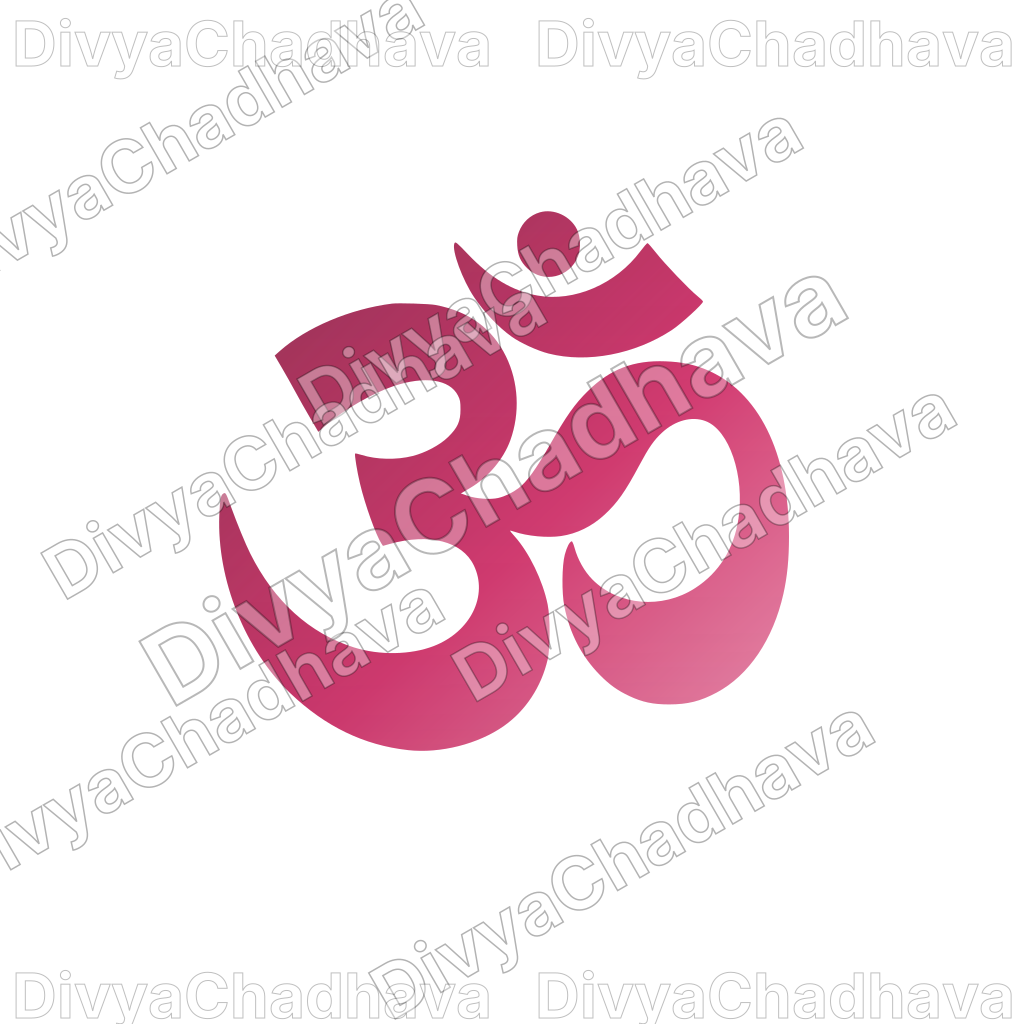
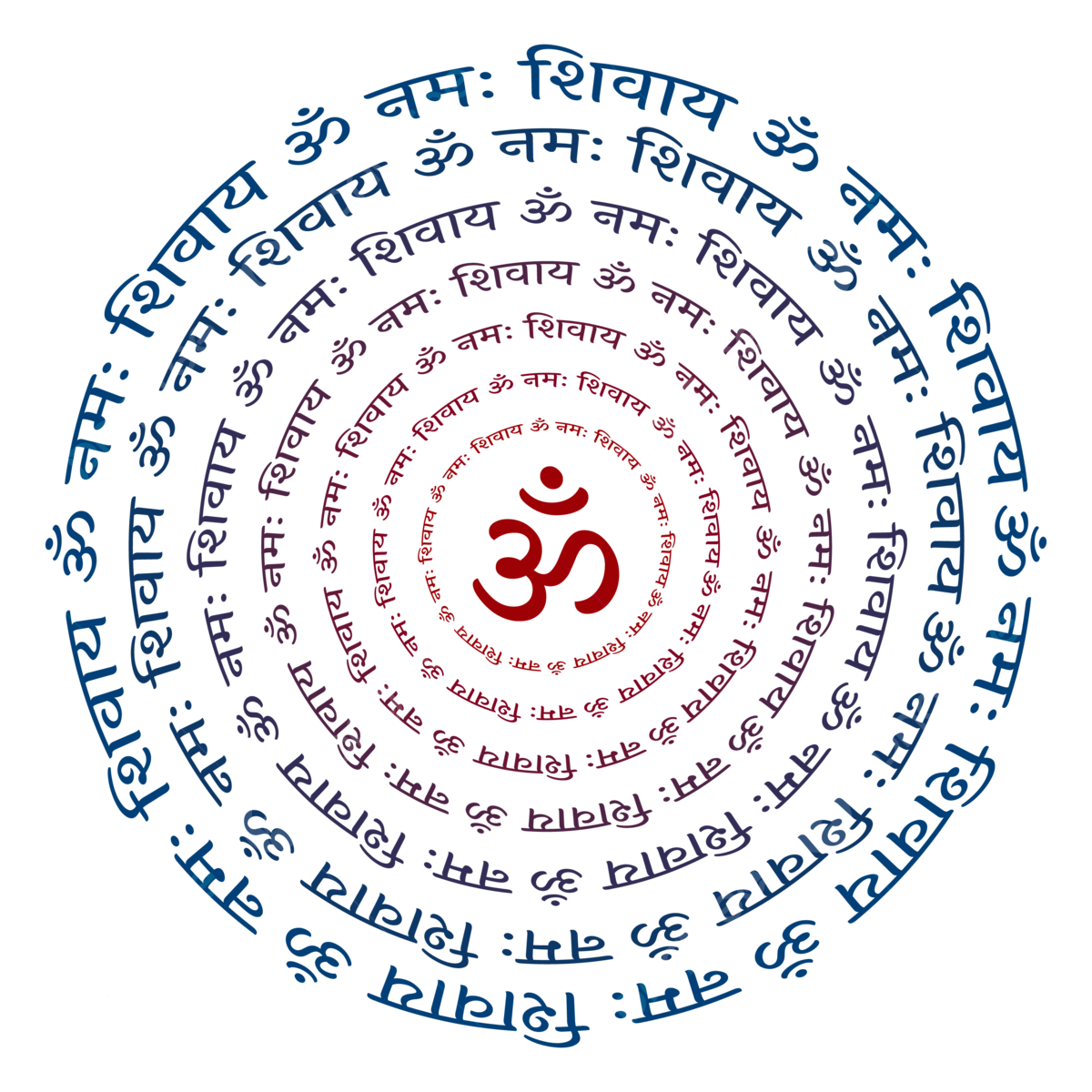
Om, written as ॐ and pronounced Aum, is considered in Sanatan Dharma to be the primordial sound of the universe, the vibration from which all creation arises. It is not merely a word but is regarded as pranava, the cosmic hum that underlies existence itself. Every mantra in Hindu tradition, from the Gayatri Mantra to the panchakshari Om Namah Shivaya, begins with Om because it is considered the seed sound (beej) from which all other sacred sounds emerge.
Om appears at the very opening of the Upanishads, the Bhagavad Gita and countless other scriptures, and is chanted before any puja, yagna, meditation or scriptural recitation as an invocation of the divine and a means of aligning the mind with the highest truth (Brahman).
The Complete Om Mantra
ॐ
भूर्भुवः स्वः तत्सवितुर्वरेण्यं भर्गो देवस्य धीमहि धियो यो नः प्रचोदयात्॥
Note: While Om itself is a complete, single-syllable mantra, it is most commonly chanted either alone, repeated for extended meditation, or as the opening syllable of the Gayatri Mantra shown above, which is among the most revered mantras associated with Om in daily Hindu worship.
Origin and Meaning of Om
Om is composed of three sounds, A, U and M, plus a fourth silent state that follows the audible sound. The Mandukya Upanishad, one of the shortest but most profound Upanishads, is devoted entirely to explaining these four aspects of Om.
The sound A represents Vishwa, the waking state of consciousness, the physical world experienced through the senses.
The sound U represents Taijasa, the dreaming state of consciousness, the subtle world of thought and imagination.
The sound M represents Prajna, the state of deep, dreamless sleep, where individual consciousness dissolves into undifferentiated awareness.
The silence that follows represents Turiya, the fourth state, pure consciousness itself, beyond waking, dreaming and sleeping, the changeless witness of all three, understood as the true nature of the Self (Atman) and its unity with the ultimate reality (Brahman).
In this way, Om is understood as a complete symbolic map of consciousness itself, and chanting it is believed to gently guide the mind through these states toward stillness and self-realisation.
Spiritual and Philosophical Power of Om
In the Vedas, Om is called pranava, meaning that which is chanted while pervading life, or that which vibrates through prana, the life force. It is considered the sound form of Brahman, the formless, infinite reality that underlies and pervades the universe. The Bhagavad Gita states that among all vibrations, Om is Krishna Himself, indicating its supreme spiritual stature. Yogic and Vedantic traditions describe Om as the bridge between the manifest and unmanifest, the sound through which the finite mind can approach the infinite.
Physiologically and energetically, the vibration of chanting Om, particularly the humming M sound, is described in yogic tradition as resonating through the body, calming the nervous system, and helping to still the fluctuations of the mind, which is why it forms the foundation of many meditation practices.
How and When to Chant Om
Best time: Early morning (Brahma Muhurta, roughly 90 minutes before sunrise) is considered the most powerful time, though it may be chanted at any time of day, especially before meals, study, work or sleep.
Preparation: Sit in a comfortable, cross-legged posture with the spine straight, in a clean and quiet space. Close the eyes gently and take a few deep breaths to settle the mind.
Method: Inhale deeply, then chant Om slowly on the exhale, allowing the A sound to arise from the belly, the U sound to move through the chest and throat, and the M sound to resonate as a hum through the lips and skull. Feel the silence that follows before taking the next breath. This may be repeated for a fixed count, such as 11, 21 or 108 times, or for a set duration of meditation.
It may also be chanted as the opening of any other mantra, such as Om Namah Shivaya, Om Namo Bhagavate Vasudevaya, or the Gayatri Mantra, where it serves as an invocation before the mantra's specific request or praise begins.
Benefits of Chanting Om
Regular practitioners report a calmer, more focused mind, a natural reduction in stress and mental restlessness, improved concentration for meditation, study or work, a felt sense of connection to something larger than the individual self, and a gentle grounding effect on the breath and nervous system. In the yogic tradition, it is also considered to purify the subtle energy channels (nadis) and to prepare the mind for deeper states of meditation and self-inquiry.
Frequently Asked Questions
Quick guide
Before you begin
Mantra
Shiva mantra
Om Namah Shivaya
Chant with a quiet mind, especially on Monday, Pradosh, or during Shiva puja.
Bhav
Benefits devotees pray for
FAQ
Common questions
Why does every Hindu mantra begin with Om?
Om is considered the primordial seed sound (pranava) from which all other sacred sounds arise, so it is chanted first to invoke the divine and align the mind before any prayer or mantra.
What do the three letters A, U and M represent?
According to the Mandukya Upanishad, A represents the waking state, U the dreaming state, and M the state of deep sleep, while the silence after Om represents the fourth, transcendent state of pure consciousness.
How many times should Om be chanted?
Common counts are 11, 21 or 108 repetitions using a mala, though it can also be chanted for a fixed duration of meditation without counting.
Can Om be chanted by anyone, regardless of religion?
Om is a universal spiritual sound in Sanatan Dharma and is chanted by devotees seeking calm, focus and connection to the divine, with sincerity and respect for its sacred origin.
Deepen Your Spiritual Practice
Book a puja or explore our sanatan sahitya collection to bring the wisdom of Om and other sacred texts into your daily life.