 दृष्टि दोष निवारण
Nazar dosh, or the effect of the evil eye, is a well-known folk and tantric concept in Sanatan tradition, and simple yantra-based and household remedies are believed to protect against it.
In Sanatan tradition, "nazar dosh" or the evil eye refers to the belief that intense envy, admiration or ill-will directed — often unconsciously — at a person, child, home, vehicle or business can create a negative energy that affects their wellbeing, peace or prosperity. This is not a matter of blame or superstition against anyone; it is understood as a subtle energetic effect, and Sanatan Dharma offers simple, gentle, protective remedies (upay) to guard against it, most of which use easily available household items along with sincere prayer.
What Is Nazar Dosh?
Nazar dosh is believed to occur when someone — even without any conscious bad intention — looks at a person or thing with strong emotion such as envy, excessive admiration, or comparison. Newborns, young children, newly married couples, a newly bought vehicle or home, and a suddenly successful business are traditionally considered more susceptible, simply because they draw more attention and emotion from others.
Common Signs (Traditional Belief)
Sudden, unexplained crying or restlessness in an otherwise happy child; persistent low energy, headaches or a feeling of heaviness without any medical cause; a sudden slowdown in business after a period of visible success; frequent minor mishaps or a string of small accidents; loss of appetite or disturbed sleep. These signs are traditional folk indicators, not medical diagnoses — if any of these are severe, unusual or persistent, please consult a doctor first, and treat spiritual remedies as a complementary, faith-based practice alongside proper medical care, never as a replacement for it.
Nazar Suraksha Yantra & Simple Upay
1. Mustard Seed and Salt Nazar Utarna
Take a handful of mustard seeds (or dry red chillies) along with a pinch of rock salt. Circle it seven times clockwise around the head of the affected person (or around the child, or around the home/shop) while silently praying for protection. Then burn the mustard seeds and salt on a small piece of burning charcoal or in the kitchen stove flame, away from the person. If the seeds crackle or produce an unusual amount of smoke or smell, it is traditionally taken as a sign that nazar dosh has been removed. This can be repeated on any evening, ideally on a Tuesday or Saturday.
2. Lemon-Chilli (Nimbu-Mirchi) Totka
Thread seven green chillies and one lemon on a string and hang it at the main entrance of the home, shop or vehicle. It is traditionally believed to absorb negative energy before it enters the space. Replace it with a fresh one every Tuesday or Saturday, and dispose of the old one respectfully — away from the home, not in the kitchen or worship area.
3. Kaali Hakik or Black Thread
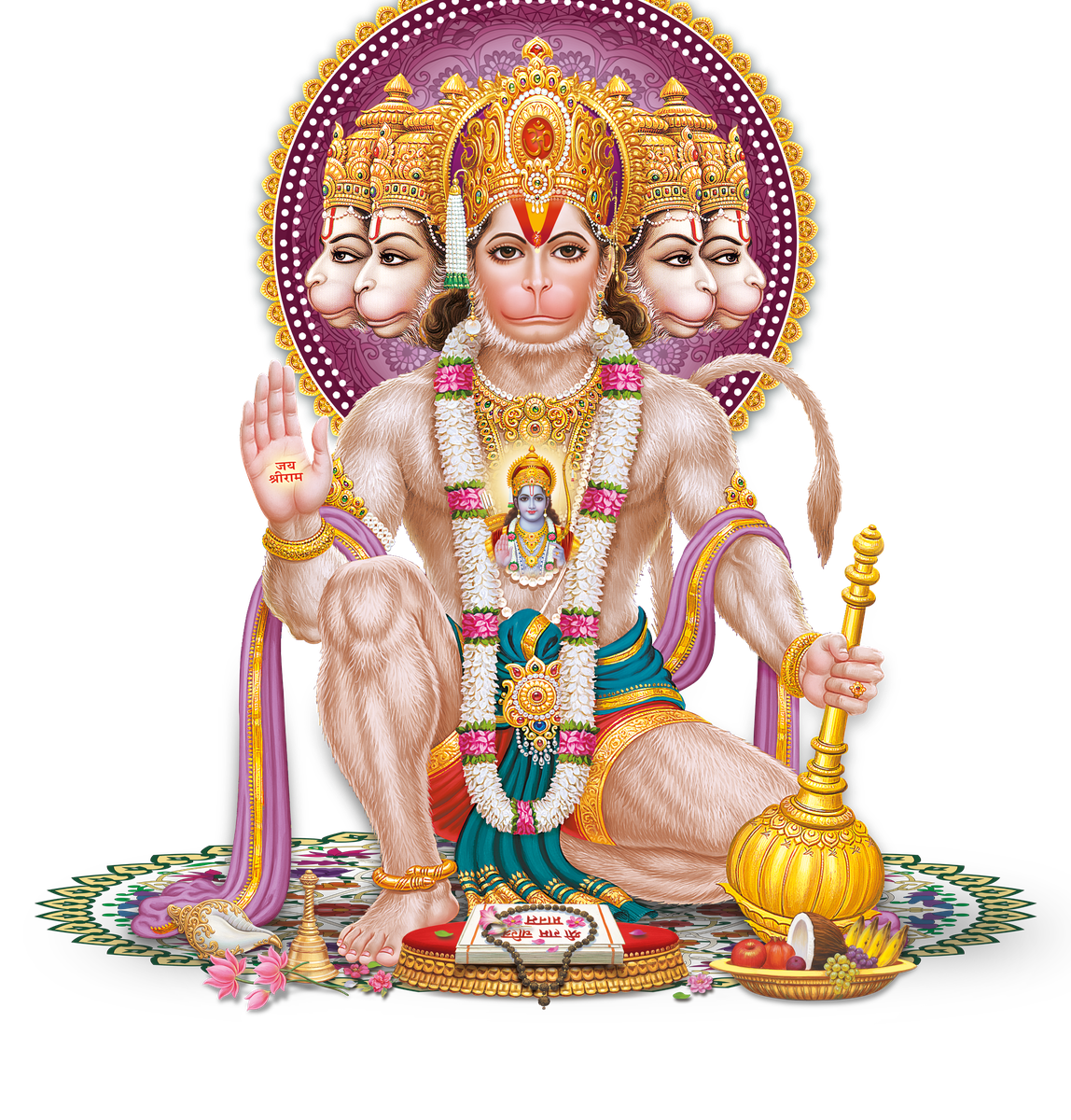
A simple black thread (kaala dhaaga) tied around the wrist or ankle of a child, or a black hakik (agate) bracelet, is a traditional and widely used nazar suraksha item. It is best tied on a Tuesday or Saturday with a short prayer to Hanuman Ji for protection.
4. Alum (Phitkari) Method
Alum can be used in place of mustard seeds. Circle a piece of alum around the person seven times, then place it in a bowl of water. If the alum dissolves into an unusual, cloudy shape, it is traditionally seen as a sign that the negative effect has been drawn out. Discard the water outside the home afterward.
5. Hanuman Chalisa & Durga Kavach
For those who prefer a purely spiritual remedy without any physical items, reciting Hanuman Chalisa daily, or the Durga Kavach, is considered one of the most powerful ways to build a lasting shield of protection against nazar dosh, negative energy and fear. Hanuman Ji, in particular, is invoked specifically for protection from evil eye, evil spirits and negative influences.
6. Black Dot (Kaala Teeka)
A small black dot (kajal or soot) placed discreetly behind the ear or on the sole of the foot of a baby is a very old, widely practised custom believed to divert attention away from an otherwise "too perfect" or admired appearance, thereby reducing the chance of attracting nazar.
How & When to Perform These Remedies
Tuesday and Saturday evenings are traditionally considered the most suitable times for nazar-related remedies, as these days are associated with protective and fierce forms of divinity (Hanuman Ji and Shani Dev respectively). Always perform these remedies with a calm mind and sincere intention — the intention behind the action matters more than the object itself. There is no need for elaborate rituals; a few minutes of quiet, respectful practice is sufficient.
Do's and Don'ts
Do keep the practice simple, respectful and free of fear or superstition. Do combine it with regular prayer, gratitude and a calm household environment. Do consult a doctor for any real physical or medical symptom rather than relying only on spiritual remedies. Avoid pointing fingers or attributing bad intent to specific people — nazar dosh in this tradition is understood as an unconscious energetic effect, not a deliberate curse. Avoid any remedy that claims to "return" harm to another person — that departs from the protective, dharmic spirit of these practices and is not something this article recommends.
A Gentle Reminder
These remedies are part of long-standing folk and devotional tradition, offered here in their gentlest, most protective form. They are a matter of faith and cultural practice, not a scientifically proven cure, and are not a substitute for medical, psychological or professional advice when symptoms are serious. Approach them with a calm heart, and let the primary remedy always be sincere prayer and gratitude.
Quick guide
Before you begin
Mantra
Hanuman mantra
Om Hanumate Namah
Chant on Tuesday or Saturday for strength, protection, and devotion.
Bhav
Benefits devotees pray for
FAQ
Common questions
How do I know if someone has nazar dosh?
Traditional signs include sudden, unexplained restlessness, loss of appetite, frequent crying in children, sudden business slowdown, or a feeling of heaviness and fatigue without any medical cause. If symptoms are severe or persistent, always consult a doctor first.
Can nazar utarna be done at home?
Yes, the simple mustard seed and salt/alum method described here is traditionally performed at home by a family elder, with sincere intention and calm mind.
Is a nazar suraksha yantra the same as a black-magic tool?
No. A nazar suraksha yantra is a protective, defensive object meant to guard against negativity — it is not used to harm anyone. This article only covers gentle, protective practices.
Where should a nazar battu or lemon-chilli be hung?
Commonly at the main entrance of the home or shop, or in a vehicle, so that it absorbs negative gaze before it reaches the inside.
Get a Protective Puja Performed for Your Family
For lasting peace of mind, let our pandits perform a Hanuman puja or Durga puja with sankalp for protection from negative energy and evil eye.