


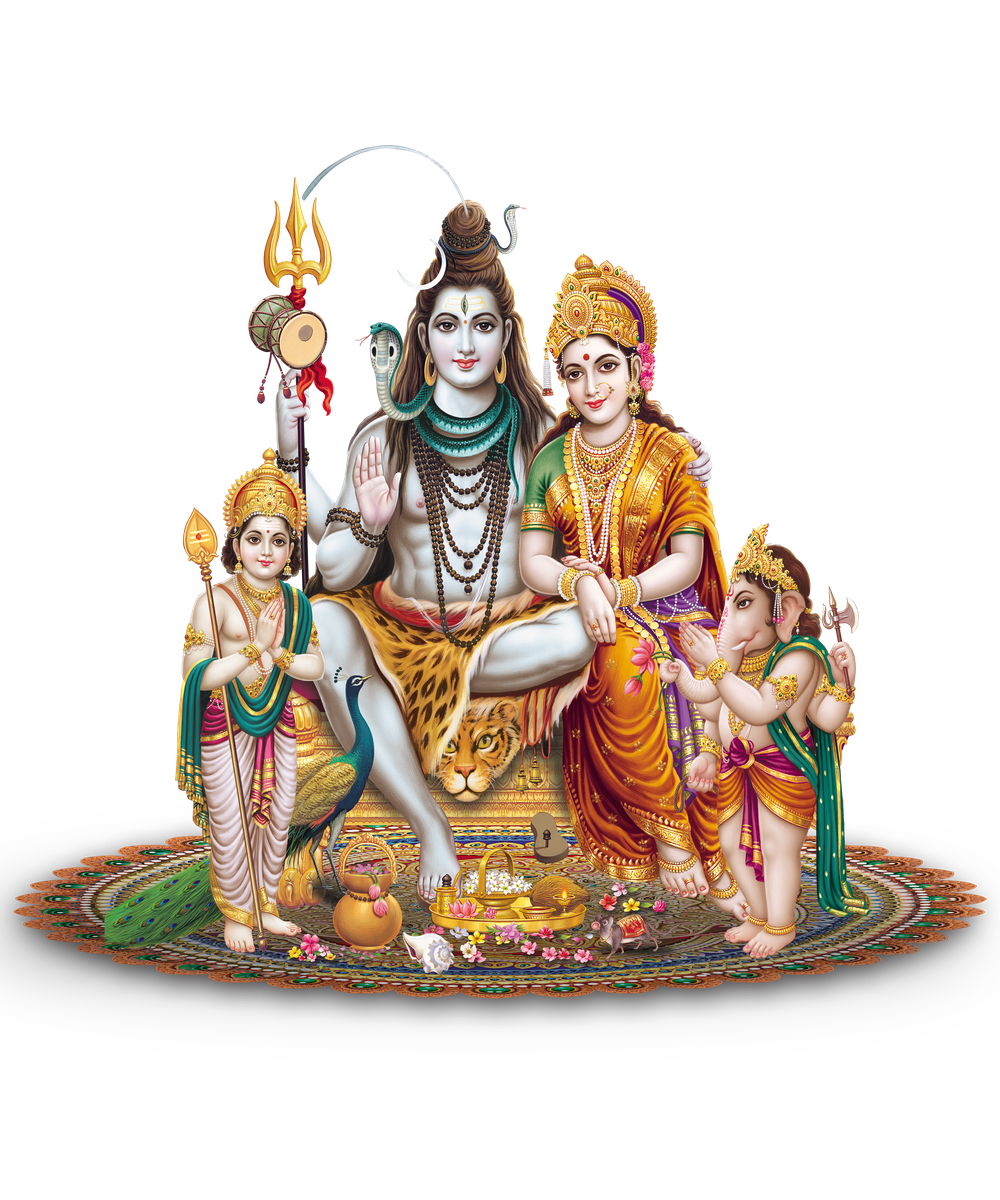
 ॐ नमः शिवाय
The complete Masik Shivratri katha of the hunter and the Bel leaves, the four-prahar puja vidhi, and the deep meaning behind this monthly night-long fast for Lord Shiva.
Masik Shivratri is observed every month on the Chaturdashi tithi (fourteenth day) of the Krishna Paksha, the day just before Amavasya (new moon). While Maha Shivratri, which falls in the month of Phalgun, is the grandest of these observances, each of the twelve Masik Shivratris through the year is considered deeply auspicious for the worship of Lord Shiva, and devotees keep a fast and perform night-long puja on this tithi every month, seeking Shiva's grace, protection and the fulfilment of righteous desires.
The Vrat Katha of Shivratri: The Hunter and the Bel Tree
In ancient times, in a dense forest, there lived a hunter named Chandan who supported his family by hunting animals in the forest. One day, he went deep into the jungle in search of prey but did not succeed the entire day. As dusk fell and it was Chaturdashi of the Krishna Paksha, he felt exhausted and afraid to return home empty-handed, since he had nothing to feed his family, and equally feared the dangers of the forest at night. He decided to climb a nearby tree and wait through the night for an animal to come to drink water at a small pond beneath it, planning to hunt it at dawn.
The tree he climbed happened to be a Bel (Bilva) tree, sacred to Lord Shiva, and beneath it, unknown to the hunter, was an ancient Shivling that had been covered by fallen leaves and forest debris for a long time. As the hunter sat on the branch through the long, cold night, to keep himself awake and alert for his prey, he plucked the Bel leaves one by one from the tree and dropped them below, not knowing that each leaf was falling directly upon the hidden Shivling beneath. Unknowingly, he was performing a continuous Bel Patra offering to Lord Shiva through the entire night, and since he had eaten nothing that day out of anxiety and had also drunk no water, he was unknowingly observing a complete nirjala fast as well.
As midnight approached, a pregnant doe came to the pond to drink water. The hunter took aim with his bow, ready to shoot her, but the doe, sensing danger, pleaded with him, saying that she was carrying young ones in her womb and asked him to spare her life until she could deliver them safely, promising to return afterward so that he could hunt her then. Moved by compassion, though still driven by hunger and duty to his starving family, the hunter let her go, on her word that she would return.
Soon after, another doe came to the pond, and this one too pleaded that she needed to meet her mate before facing death, promising to return with her mate. The hunter, his heart softening further through the night's unknowing worship, let her go as well. Later, the mate of the first doe also arrived and made the same appeal, that he wished to see his family once more, and was also released on his promise to return.
Toward the end of the night, all three deer indeed returned together as promised, along with the newborn fawns, offering themselves willingly to the hunter to keep their word, even at the cost of their own lives. Witnessing such extraordinary truthfulness, compassion and family devotion among the animals, and having spent the entire night unknowingly worshipping Lord Shiva through his fast and the falling Bel leaves, the hunter's heart was completely transformed. Overcome with compassion, he refused to kill any of them and let the entire deer family go free, casting aside his bow forever.
Pleased immensely by the hunter's unintentional but complete worship, his fast, his night-long vigil, and above all the profound change of heart and act of mercy he displayed at the end, Lord Shiva appeared before him and blessed him with liberation from the cycle of birth and death, along with prosperity for his family. From this katha arose the tradition of observing the Shivratri vrat with a day-long fast, offering Bel Patra to the Shivling, and keeping jagran (night vigil) through all four prahars of the night, worshipping Lord Shiva in each prahar.
Puja Vidhi (Method of Worship)
On Masik Shivratri, devotees wake early, bathe, and take a sankalp to observe the vrat, either nirjala or phalahari, through the day and into the night. The main worship takes place at night, divided into four prahars (three-hour segments), with a fresh round of abhishek and puja performed in each prahar.
The Shivling is bathed (abhishek) with a combination of milk, curd, honey, ghee, sugar and Ganga jal, known as Panchamrit Abhishek, followed by a bath of plain water.
Bel Patra (Bilva leaves), dhatura flowers, akshat, white flowers, and bhang are offered, since these are especially dear to Lord Shiva.
A diya of ghee is lit, incense is offered, and the Om Namah Shivaya mantra is chanted, along with the Shiv Chalisa, Shiv Panchakshari Stotra or Rudrashtakam.
The vrat katha is read or listened to, either the story of the hunter above, or other Shiv Puranic accounts, with the family gathered together.
Fruits, milk or a light meal, if not observing a nirjala vrat, is taken only after completing the fourth prahar puja, generally before sunrise the next morning.
Significance and Benefits
Masik Shivratri is considered a monthly opportunity to renew one's devotion to Lord Shiva, seeking his blessings for inner peace, removal of obstacles, protection of the family, and fulfilment of righteous wishes such as a good marriage, children's welfare or resolution of long-standing difficulties. The katha of the hunter teaches that even an unintentional act of devotion performed with sincerity, and above all a genuine change of heart toward compassion, can earn the highest grace of Lord Shiva. It is also a reminder that fasting and vigil are not mere ritual, but are meant to awaken compassion, self-control and clarity of mind.
Do's and Don'ts
Devotees are encouraged to remain calm, avoid anger and speak truthfully through the day. Non-vegetarian food, alcohol and intoxicants (other than the traditional, moderate ritual offering of bhang in some regions) should be avoided. It is considered important to stay awake through the night if possible, chanting Shiva's names, rather than sleeping through the vigil. Those unable to keep a full nirjala fast may take fruits or a single simple meal.
Frequently Asked Questions
What is the difference between Masik Shivratri and Maha Shivratri? Masik Shivratri occurs every month on the Krishna Paksha Chaturdashi, while Maha Shivratri is the same tithi falling in the Phalgun month, considered the most significant and grandly celebrated of all twelve.
Why are Bel Patra offered to Lord Shiva? The hunter's katha shows that Bel Patra offered even unknowingly with devotion pleases Lord Shiva greatly; Bel leaves are considered to represent Shiva's three eyes and are believed to cool his fiery nature.
Can women observe the Masik Shivratri vrat? Yes, this vrat is observed by devotees of all genders seeking Lord Shiva's blessings for family welfare, marital harmony, and personal spiritual growth.
Is the nirjala fast compulsory for Shivratri? No, while a nirjala fast is considered most powerful, those unable to keep it due to health reasons may observe a phalahari vrat and still receive Lord Shiva's blessings through sincere devotion and night puja.
Quick guide
Before you begin
Mantra
Shiva mantra
Om Namah Shivaya
Chant with a quiet mind, especially on Monday, Pradosh, or during Shiva puja.
Bhav
Benefits devotees pray for
FAQ
Common questions
What is the difference between Masik Shivratri and Maha Shivratri?
Masik Shivratri occurs monthly; Maha Shivratri is the same tithi in Phalgun month, the grandest of the twelve.
Why are Bel Patra offered to Lord Shiva?
The hunter's katha shows Bel leaves offered with devotion, even unknowingly, please Lord Shiva greatly.
Can women observe the Masik Shivratri vrat?
Yes, devotees of all genders observe this vrat for family welfare and spiritual growth.
Is a nirjala fast compulsory?
No, a phalahari vrat is acceptable for those unable to keep a nirjala fast.
Seek Lord Shiva's Grace This Shivratri
Book a Masik Shivratri Rudrabhishek Puja performed with complete vidhi for peace, protection and the fulfilment of righteous wishes.