
 ओम त्र्यम्बकं यजामहे
The Mahamrityunjaya Yantra channels Lord Shiva's life-protecting, death-conquering energy, worshipped for health, recovery from illness and freedom from untimely fear of death.
The Mahamrityunjaya mantra, one of the most sacred verses in the Rig Veda, is dedicated to Lord Shiva as Tryambaka, the three-eyed one, and is chanted for protection from untimely death, healing from illness and the granting of a long, healthy life. The Mahamrityunjaya Yantra is the visual, geometric embodiment of this same protective, healing energy, offering devotees a focal point for worship whenever health is threatened or longevity and vitality are sought.
What is the Mahamrityunjaya Yantra
The yantra typically features a central bindu representing Shiva's consciousness, surrounded by triangles that represent the union of Shiva and Shakti, enclosed within circles and a square boundary with gates, the standard protective structure found in many Shaiva yantras. Some versions include the encoded syllables of the mantra itself along its edges. When consecrated through mantra jaap and ritual, it is believed to hold and radiate the same life-affirming vibration as the mantra it represents.
Why devotees worship the Mahamrityunjaya Yantra
This yantra is turned to in moments of serious illness, before and during medical treatment or surgery, during recovery from a major health setback, and by families praying for the long life of an elderly or ailing member. It is also worshipped preventively, as a general shield of health and vitality, and by those facing chronic stress, fear of death, or a sense of being drained of life energy. It carries deep significance during Mahashivratri and the month of Shravan, when Shiva's grace is considered especially accessible.
Where and how to install the Mahamrityunjaya Yantra
The yantra should be placed in the puja room, ideally near a Shivling if one is present in the home, facing east or north. For a person who is unwell, it may also be kept respectfully near their resting place, though not directly on the bed, on a small clean table or shelf. Keep the surrounding space clean, calm and free of clutter, since Shiva worship favours simplicity and stillness over ornamentation.
Mahamrityunjaya Yantra puja vidhi
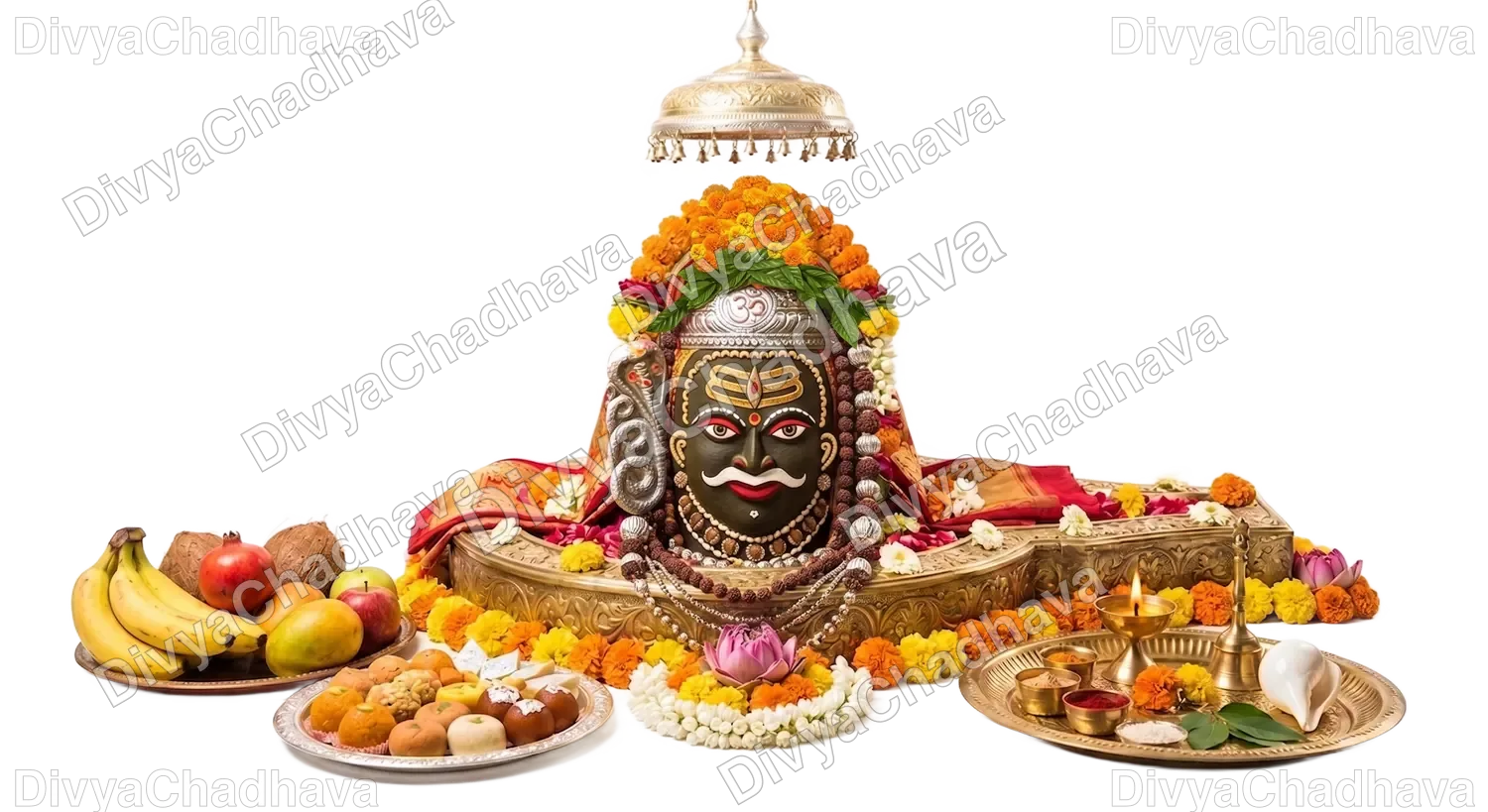
Begin worship on a Monday, Pradosh, or ideally Mahashivratri, at dawn or dusk. Bathe and wear clean clothes, and if worshipping on behalf of someone unwell, keep their name and gotra in mind with a clear, compassionate intention. Place the yantra on a white or light-coloured cloth, offer Gangajal, bilva leaves, white flowers and a few drops of milk or curd if performing a modest abhishek, and light a diya of ghee along with incense.
The complete Mahamrityunjaya mantra is:
Om Tryambakam Yajamahe Sugandhim Pushtivardhanam Urvarukamiva Bandhanan Mrityor Mukshiya Maamritat
This means: we worship the three-eyed Lord Shiva, who is fragrant and nourishes all beings; may He liberate us from death, from the bondage of mortality, just as the ripe cucumber is freed from its vine, and may He never separate us from immortality.
Recite this mantra 108 times using a Rudraksha mala, ideally seated facing the yantra. For serious illness, many devotees undertake a sankalp of chanting it a fixed number of times over 40 days, or arrange for a pandit to perform a formal Mahamrityunjaya jaap or havan on their behalf. Conclude the daily practice with a simple aarti and a prayer offering the outcome to Shiva's will, trusting His compassion even while continuing all necessary medical care.
Benefits of worshipping the Mahamrityunjaya Yantra
Devotees who worship with sincerity often report a deep sense of courage and calm in the face of illness, a feeling of divine support alongside medical treatment, gradual relief from chronic fear and anxiety about death or health, and renewed vitality and will to recover. Families praying for an ailing elder often find the practice brings them comfort and unity as much as it does the patient.
An essential note on medical care
This yantra and its mantra are a profound source of spiritual strength, courage and comfort, but they are never a substitute for qualified medical treatment. Continue all prescribed medicines, doctor visits and hospital care fully; let the worship support the healing process and steady the mind and heart of the patient and family, working alongside, never instead of, medical science.
Dos and don'ts
Do keep the worship space and yantra clean, and approach the practice with calm, unhurried devotion rather than panic. Do chant the mantra clearly and with understanding of its meaning, which deepens its effect. Do combine the worship with compassion, seva and prayers for the wellbeing of others facing illness, not only oneself or one's own family.
Do not skip or delay necessary medical treatment in favour of ritual alone. Do not perform the worship in a state of despair or hopelessness; approach Shiva with faith, however difficult the circumstance. Do not rush through the mantra without care for pronunciation and devotion, since sincerity matters more than speed.
Quick guide
Before you begin
Mantra
Shiva mantra
Om Namah Shivaya
Chant with a quiet mind, especially on Monday, Pradosh, or during Shiva puja.
Bhav
Benefits devotees pray for
FAQ
Common questions
Can the Mahamrityunjaya Yantra replace medical treatment for a serious illness?
No, it should never replace medical treatment. It is a source of spiritual strength, courage and comfort meant to support the patient and family alongside qualified medical care, doctors and prescribed medicines, which should always continue in full.
How many times should the mantra be recited daily?
A common and meaningful practice is 108 times using a Rudraksha mala, though even a shorter, sincere recitation of 11 or 21 times daily is valuable. For serious illness, many families undertake a fixed sankalp over 40 days or arrange a formal jaap through a pandit.
Is this yantra only for the seriously ill, or can healthy people worship it too?
Healthy individuals worship it preventively as a general shield for vitality, longevity and freedom from fear of death, and many families keep it as a permanent part of their household Shiva puja, not only during illness.
What is the best day to begin worship of this yantra?
Monday, Pradosh days, and especially Mahashivratri are considered the most auspicious times to begin, since Shiva's grace is regarded as especially accessible on these occasions.
Seek Shiva's Healing Grace for Your Family
Let our pandits guide a proper Mahamrityunjaya puja and yantra sankalp for health, healing and protection.