

 ॐ त्र्यम्बकं यजामहे
The complete Mahamrityunjaya Mantra and its extended chanting form, with full word meaning, benefits, and the correct method of japa.
The Mahamrityunjaya Mantra, also devotionally called the Mahamrityunjaya Stotra, is one of the most ancient and powerful mantras dedicated to Bhagwan Shiva in his form as Mrityunjaya, the Conqueror of Death. Its root verse appears in the Rigveda (7.59.12) and again in the Yajurveda, making it one of the oldest surviving mantras in Sanatan Dharma, older even than most named stotras. It is chanted for healing, longevity, protection from untimely death and accidents, and for freedom from deep fear.
Complete Mahamrityunjaya Mantra (Devanagari)
The core mantra, exactly as preserved in the Veda:
ॐ त्र्यम्बकं यजामहे सुगन्धिं पुष्टिवर्धनम्। उर्वारुकमिव बन्धनान्मृत्योर्मुक्षीय मामृतात्॥
The extended form used widely in temples and havans, with beeja (seed) syllables added at the start and mirrored at the end:
ॐ हौं जूं सः। ॐ भूर्भुवः स्वः। ॐ त्र्यम्बकं यजामहे सुगन्धिं पुष्टिवर्धनम्। उर्वारुकमिव बन्धनान्मृत्योर्मुक्षीय मामृतात्॥ ॐ स्वः भुवः भूः। ॐ सः जूं हौं। ॐ॥
An additional protective verse commonly chanted alongside it in devotional gatherings:
ॐ जूं सः मृत्युंजय महादेव त्राहि मां शरणागतम्। जन्ममृत्युजराव्याधिपीडितं कर्मबन्धनैः॥
Word-by-Word Meaning
Om — the primordial sound, the name of the Supreme. Tryambakam — the three-eyed one (Shiva, whose three eyes are the sun, moon and fire — the eyes of past, present and future). Yajamahe — we worship, we offer reverence. Sugandhim — the fragrant one, full of divine fragrance, whose very presence is nourishing and pure. Pushti-vardhanam — the one who nourishes and increases wellbeing, prosperity and strength in all beings. Urvarukam iva bandhanan — like a ripe cucumber (or gourd) that separates effortlessly from its creeper once fully ripe. Mrityor mukshiya — free us from death (the cycle of death and rebirth, or an untimely death). Ma amritat — but not away from immortality (do not cut us off from the deathless, eternal state; guide us toward liberation, not mere annihilation).
Taken together, the mantra means: "We worship the three-eyed Lord Shiva, who is fragrant and who nourishes and strengthens all beings. May He liberate us from the bondage of death, effortlessly, just as a ripe cucumber separates from its vine — but let that liberation carry us toward immortality, not away from it." This is a prayer not simply for a longer life, but for release from the fear of death itself, and ultimately for moksha — freedom from the cycle of birth and death.
Why Chant the Mahamrityunjaya Mantra
This mantra is chanted for recovery from serious illness, for protection during surgery or medical treatment, for warding off accidents and untimely danger, for the wellbeing of someone gravely unwell, and for overcoming the deep, subtle fear of death that affects the mind's peace. It is also chanted for general longevity, strength and spiritual protection, and is considered one of the most important mantras to recite on Mahashivratri and every Somvar (Monday) or Trayodashi (thirteenth lunar day), both sacred to Shiva.
How and When to Chant (Jaap Vidhi)
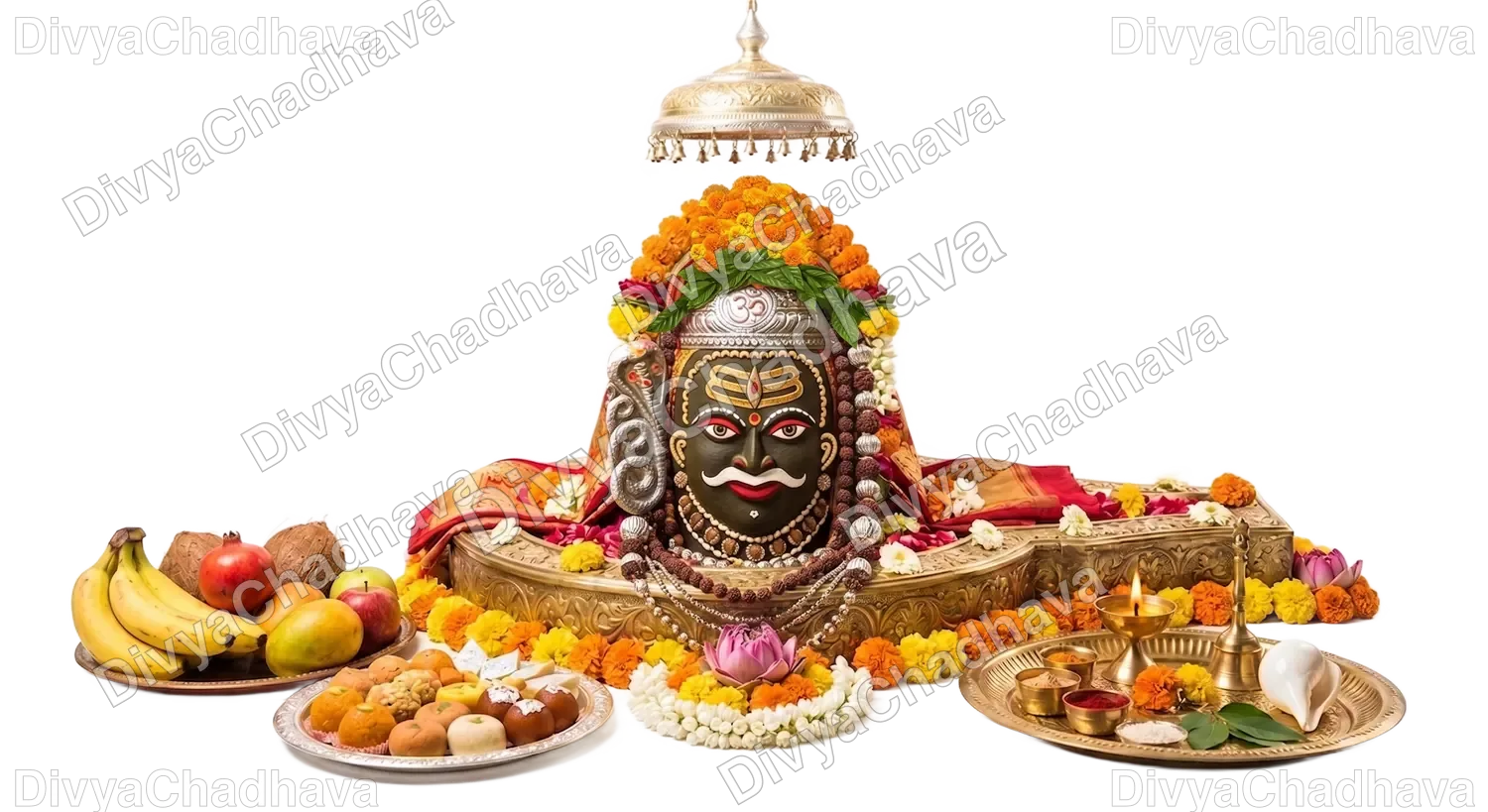
Sit facing Bhagwan Shiva's image or a Shivling, ideally after a bath, in a clean and quiet space. Light a diya and offer water, bel patra and white flowers if performing formal worship. The mantra is traditionally chanted using a Rudraksha mala of 108 beads, completing one full round (mala) at a time. It can be chanted at any time of day, though early morning (Brahma Muhurta), during the Pradosh period (before sunset), or on Monday nights are considered especially auspicious. For serious health concerns, a sankalp of 11, 21, or 108 malas over a fixed number of days is often taken, sometimes with the guidance of a purohit performing it as part of a formal Mahamrityunjaya Jaap or Havan.
Dos and Don'ts
Maintain purity of body and mind while chanting; avoid distraction and keep the mind focused on Shiva's compassionate, protective form. Do not chant it as a magical guarantee against death — it is a prayer for grace, courage, healing and liberation, not a promise that overrides the natural course of life. It should never be used with fear or dread in the heart; chant it with faith and surrender instead. It is open to all sincere devotees; no restriction of caste or gender applies to worshipping Shiva with this mantra.
Mahatmya (Glory)
Tradition holds that the sage Markandeya, destined to die at age sixteen, worshipped Bhagwan Shiva with unwavering devotion using this mantra, and when Yama the god of death came for him, Shiva himself intervened and blessed Markandeya with eternal youth, making him a chiranjivi (immortal sage). This story is the reason the mantra is so deeply associated with conquering the fear of death and is chanted even today whenever a devotee or their loved one faces serious illness or danger.
Frequently Asked Questions
Can the Mahamrityunjaya Mantra actually prevent death? It is a prayer for healing, courage, and spiritual grace, chanted with faith for recovery and protection. It should never replace medical treatment; use it alongside proper medical care, not instead of it, and understand its deeper purpose as freedom from the fear of death and movement toward liberation.
How many times should it be chanted for a sick family member? There is no fixed rule, but a common practice is one full mala (108 times) daily, or a sankalp of a fixed number of malas over 11, 21, or 40 days, ideally with guidance from a purohit for serious concerns.
Can this mantra be chanted for someone else, or only for oneself? It can absolutely be chanted for the wellbeing of another person, especially a family member who is unwell, with their name held in mind and heart during the sankalp.
Is the extended version with beeja mantras necessary, or is the core verse enough? The core Vedic verse alone is complete and highly powerful; the beeja-mantra extension is a devotional addition used in formal rituals and is not compulsory for personal daily chanting.
Quick guide
Before you begin
Mantra
Shiva mantra
Om Namah Shivaya
Chant with a quiet mind, especially on Monday, Pradosh, or during Shiva puja.
Bhav
Benefits devotees pray for
FAQ
Common questions
Can the Mahamrityunjaya Mantra actually prevent death?
It is a prayer for healing, courage and grace. It should never replace medical treatment — use it alongside proper medical care, not instead of it.
How many times should it be chanted for a sick family member?
A common practice is one full mala (108 times) daily, or a sankalp over 11, 21 or 40 days, ideally with a purohit's guidance for serious concerns.
Can this mantra be chanted for someone else?
Yes, it can be chanted for another person's wellbeing, holding their name in mind and heart during the sankalp.
Is the extended beeja-mantra version necessary?
No, the core Vedic verse alone is complete and powerful; the beeja extension is a devotional addition used in formal rituals.
Seek Bhagwan Shiva's healing grace
Book a puja dedicated to Bhagwan Shiva for health, protection and peace of mind.