


 Rin Mukti Stotra
Explore dharmic, disciplined remedies rooted in Shani, Ganesh and Vishnu worship that are traditionally said to support relief from debt and financial strain.
Debt (karza or rin) is one of life's most stressful burdens, and in Sanatan Dharma tradition it is treated with both practical seriousness and spiritual support. Our scriptures speak of three fundamental debts every person is born with — Deva Rin (debt to the divine), Rishi Rin (debt to sages and knowledge), and Pitru Rin (debt to ancestors) — and financial debt is often seen as connected to how mindfully we manage our dharma, karma and resources in daily life. The remedies below are meant to bring discipline, clarity and divine support alongside sound financial decision-making — they are not a replacement for responsible money management.
Why debt troubles are linked to planetary influence
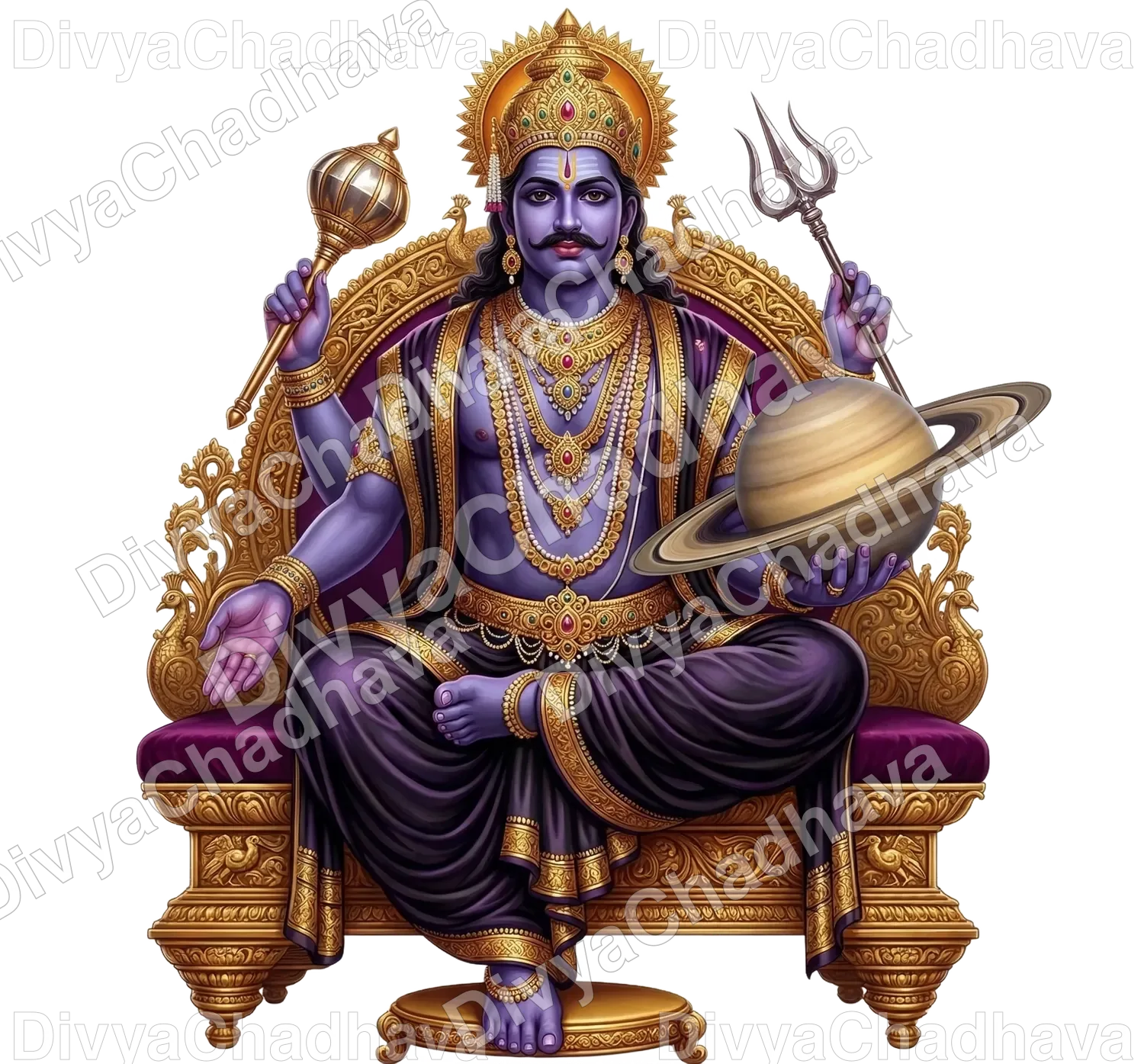
In Vedic astrology, a weak or afflicted Jupiter (Guru, the planet of wealth and wisdom), a poorly placed second or eleventh house (related to accumulated wealth and income), or a challenging Shani (Saturn) period such as Sade Sati or Dhaiya are often associated with financial strain, including debt. Shani is also the karaka (significator) of hard-earned money, discipline and delayed but eventual justice — so many traditional debt-relief remedies are directed toward Shani Dev, seeking not an easy shortcut but the strength and discipline to work steadily out of difficulty.
Ganesh worship for removing obstacles to repayment
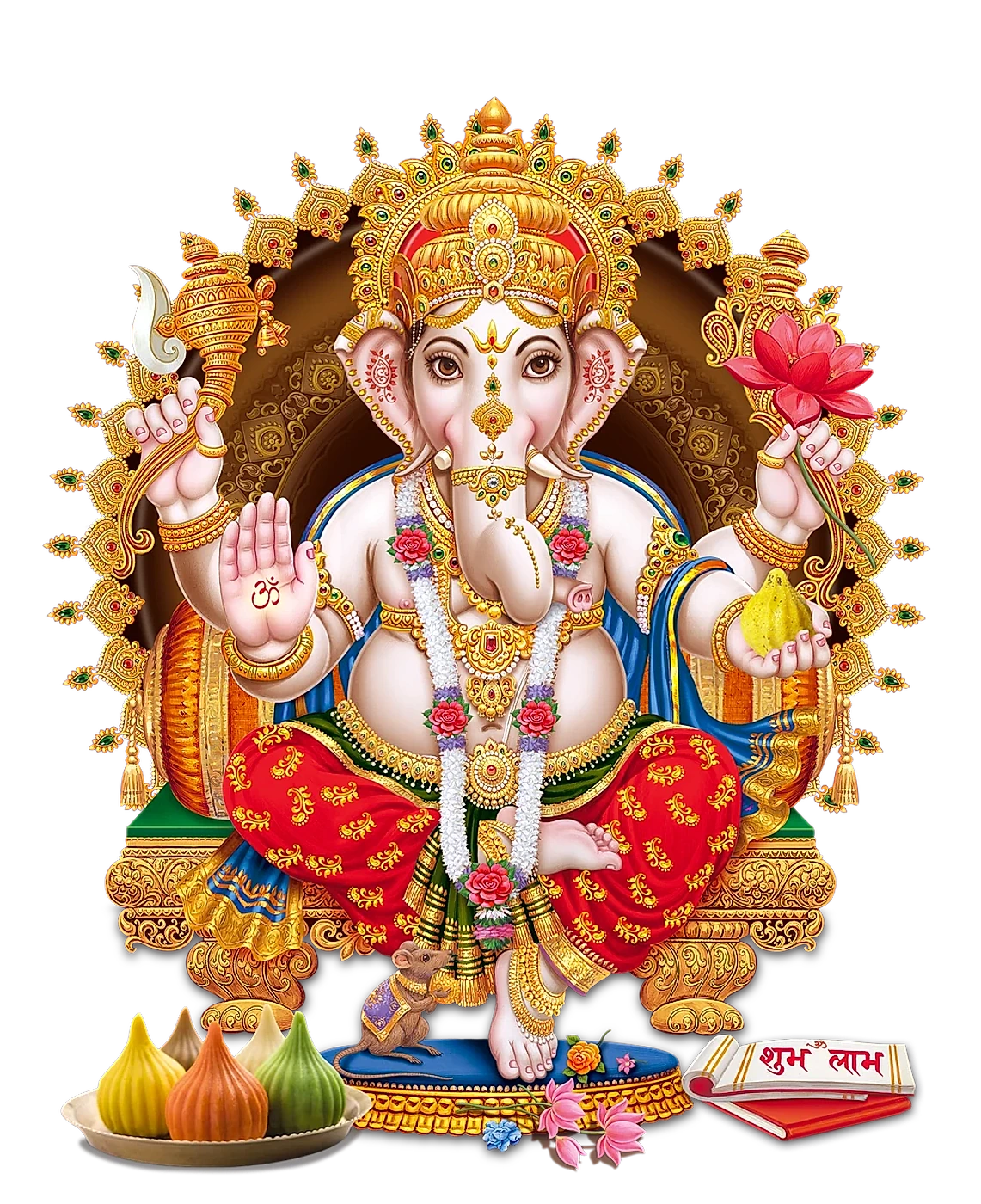
Bhagwan Ganesh is invoked as Vighnaharta, remover of obstacles, and is central to any upay for debt. Reciting the Ganesh Rin Harta Stotra regularly, especially on Wednesdays, is a well-known remedy:
Om Gananam Tva Ganapatim Havamahe Kavim Kavinamupamashravastamam Jyeshtharajam Brahmanam Brahmanaspata Aa Nah Shrinvannutibhih Sida Sadanam
This Rigvedic invocation to Ganapati, the lord of ganas and the wisest among the wise, is chanted to seek his blessings for clearing obstacles — financial ones included. Offering durva grass, modak, and a red flower to Ganesh Ji on Wednesdays, along with this stotra, is a simple, consistent practice.
Shani Dev worship
Offering oil (sesame oil) to a Shani idol or Peepal tree on Saturdays, lighting a mustard-oil diya, and chanting the Shani Chalisa or Shani mantra ('Om Sham Shanaishcharaya Namah') 108 times is traditionally recommended. Feeding crows and the needy, particularly black-coloured items like black til, black urad dal, or black clothes, on Saturdays is also a common remedy connected to Shani.
Hanuman Chalisa and Sankat Mochan worship
Bhagwan Hanuman is known as Sankat Mochan — remover of troubles — and is particularly effective, tradition holds, against Shani-related hardship, since Hanuman Ji is said to have once eased Shani Dev's own suffering, earning a boon that devotees of Hanuman would be protected from Shani's harsher effects. Reciting the Hanuman Chalisa daily, especially on Tuesdays and Saturdays, and visiting a Hanuman temple to offer sindoor and til oil, is a widely practised remedy for financial and other troubles.
Vishnu Sahasranama and Lakshmi worship
Because wealth flows from Devi Lakshmi and is sustained by Bhagwan Vishnu's grace, reciting the Vishnu Sahasranama or simply chanting 'Om Namo Bhagavate Vasudevaya' regularly, along with a sincere Lakshmi puja on Fridays (lighting a ghee diya, offering a lotus or marigold, and keeping the worship space clean and clutter-free) is considered supportive for financial stability.
Household and disciplined practices
Beyond mantra and puja, tradition emphasizes practical discipline as spiritual practice: avoiding unnecessary new loans, repaying existing debts systematically starting with the highest-interest ones, keeping accounts transparent and organised, avoiding wasteful expenditure especially on Saturdays (a day traditionally associated with restraint), and practising daan (charity) even in small amounts regularly — since generosity, paradoxically, is believed in our tradition to open the flow of abundance rather than diminish it.
A gentle reminder
These spiritual practices are meant to bring discipline, hope and steadiness of mind while working through debt — they are a support for the spirit, not a magical shortcut that replaces careful budgeting, honest income, or professional financial and legal advice. If your debt situation is serious, please consult a qualified financial advisor or, where relevant, legal counsel, alongside any spiritual practice you choose to observe. Approached with faith and discipline together, these remedies are traditionally believed to bring both inner peace and the steady means to become debt-free over time.
Quick guide
Before you begin
Mantra
Shani mantra
Om Sham Shanaishcharaya Namah
Chant on Saturday with patience, honesty, and a commitment to right action.
Bhav
Benefits devotees pray for
FAQ
Common questions
Which deity is considered most important for debt relief upay?
Ganesh Ji as Vighnaharta (remover of obstacles) and Shani Dev as the significator of disciplined, hard-earned money are both central. Many devotees combine Ganesh Rin Harta Stotra with weekly Shani worship.
Is it enough to only do puja without changing spending habits?
No. These remedies are meant to bring discipline and hope alongside practical steps like systematic repayment and avoiding new debt — spiritual practice works best paired with sound financial decisions.
How often should the Ganesh Rin Harta Stotra be recited?
Daily recitation is ideal, with special emphasis on Wednesdays, Ganesh Ji's day. Even a sincere weekly practice, done consistently over months, is considered meaningful.
Can these remedies help with legal debt disputes too?
These are spiritual practices for inner strength and discipline. For any legal dimension of a debt dispute, please consult a qualified legal professional alongside your spiritual practice.
Seek Shani-Ganesh Kripa for Steady Progress
Book a Shani Shanti or Ganesh Puja performed with full vidhi to bring discipline, hope and divine support on your path to financial stability.