
 Om Namah Shivaya
Understand what Kaal Sarp Dosh means in a kundali and learn safe, dharmic remedies centred on Bhagwan Shiv to ease its effects.
Kaal Sarp Dosh is one of the most talked-about combinations in Vedic astrology. It is said to form in a birth chart when all seven other planets (Sun, Moon, Mars, Mercury, Jupiter, Venus, Saturn) are hemmed between Rahu and Ketu, the two shadow planets or lunar nodes. The word 'Kaal' means time and 'Sarp' means serpent — together suggesting a phase where circumstances feel entangled, like being coiled by time itself.
It is important to say clearly at the outset: not every person with this graha placement suffers hardship, and the presence of Kaal Sarp Dosh does not mean a person's life is cursed or doomed. Many highly successful, happy people have this combination in their chart. In Vedic thought, planetary placements indicate tendencies and karmic themes to work through mindfully — they are not a fixed sentence. Treat any reading of Kaal Sarp Dosh as a general indication, not a certainty, and always consult a qualified astrologer for a personalised chart reading rather than relying only on generic online descriptions.
Why Kaal Sarp Dosh is said to occur
Rahu and Ketu are always exactly opposite each other in a chart, 180 degrees apart. When the remaining seven grahas line up on one side between them, classical texts describe this as Kaal Sarp Yoga or Dosh. There are traditionally said to be twelve variations depending on which house Rahu occupies, each carrying a slightly different flavour of theme — from career delays to relationship friction to health sensitivity — though the underlying nature (obstruction followed by eventual release) remains similar.
Common signs people associate with this dosh
People who feel they are experiencing the effects of Kaal Sarp Dosh often describe a pattern of unexplained delays despite hard work, recurring obstacles in a specific area of life (career, marriage, health, or finances), a sense of restlessness or anxious dreams, family disagreements that seem to repeat, or a feeling of being 'stuck' even when effort and intention are right. Again, these experiences can arise from many causes — this is one possible astrological lens among many, not a diagnosis.
Dharmic remedies for Kaal Sarp Dosh
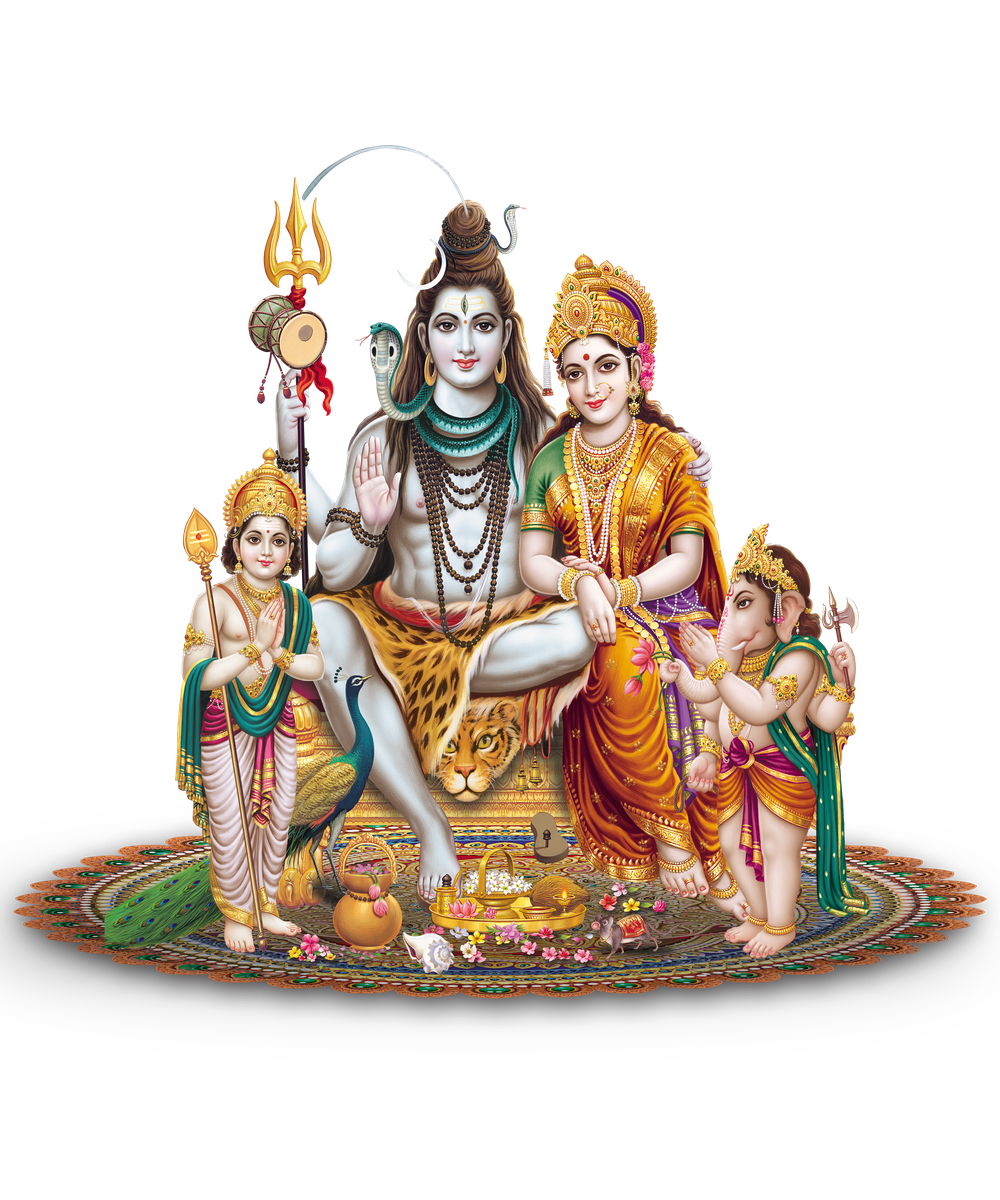
Because Rahu-Ketu themes are governed by the serpent (Naag) symbolism, and because Bhagwan Shiv is the devta who wears the serpent Vasuki around his neck and is unafraid of poison (having consumed the Halahal himself), most traditional upay for Kaal Sarp Dosh centre on Shiv worship.
Rudrabhishek: A Rudrabhishek is an abhishek (ceremonial bathing) of the Shiv Ling with milk, curd, honey, sugarcane juice, and Gangajal while chanting the Rudra mantras. This is considered one of the most powerful remedies for easing Kaal Sarp-related distress. It can be done at a Jyotirlinga or any Shiv temple, ideally on a Monday (Somvar) or during the month of Shravan.
Mahamrityunjay Mantra Jaap: Chanting the Mahamrityunjay Mantra regularly is widely recommended:
Om Tryambakam Yajamahe Sugandhim Pushtivardhanam Urvarukamiva Bandhanan Mrityor Mukshiya Maamritat
This mantra invokes Bhagwan Shiv as the three-eyed one who nourishes all beings, asking for release from fear, obstruction and untimely difficulty, the way a ripe cucumber is easily freed from its vine. Chanting 108 times daily, or arranging for 11 or 21 rounds of continuous jaap by a pandit, is considered auspicious.
Naag Panchami vrat and puja: Since the dosh relates to serpent energy, observing the Naag Panchami vrat (usually falling in Shravan) and offering milk to a Naag devta idol or image, along with reciting Naag Stotra, is a traditional remedy. Some also visit Naag temples such as Kalahasti in Andhra Pradesh, which is specifically renowned for Kaal Sarp Dosh Nivaran puja.
Daan (charitable giving): Offering daan of items associated with Rahu-Ketu — black til (sesame seeds), blankets, mustard oil, or coconut — on a Saturday is considered helpful. Feeding snakes is never advised or needed; instead, some devotees release live fish in a river as an act of compassion linked to this remedy.
Chanting Shiv Chalisa and visiting a Shiv temple on Mondays: A simple, sustainable household practice is to recite the Shiv Chalisa and offer Belpatra, water and a diya at a Shiv Ling every Monday, building a steady, faithful connection with Bhagwan Shiv over time rather than seeking one dramatic fix.
Wearing recommended items: Some astrologers suggest wearing a silver Naag-Nagin pendant or a Rudraksha mala (particularly Panchmukhi Rudraksha, associated with Shiv) after proper energising rituals. This should only be done under the guidance of a knowledgeable astrologer or priest, not as a generic online purchase.
A gentle reminder
These remedies are rooted in Sanatan Dharma's tradition of faith, devotion and self-discipline. They are meant to bring peace of mind, patience and steadiness through difficult periods — not to be treated as a guaranteed fix for every life problem. If you are facing serious health, legal, financial or relationship difficulties, please also seek appropriate professional (medical, legal or financial) advice alongside any spiritual practice. Spiritual remedies work best as a support for the mind and heart, walked with patience and consistency.
Quick guide
Before you begin
Mantra
Shiva mantra
Om Namah Shivaya
Chant with a quiet mind, especially on Monday, Pradosh, or during Shiva puja.
Bhav
Benefits devotees pray for
FAQ
Common questions
Does Kaal Sarp Dosh mean my life will always face problems?
No. Many people with this placement live happy, successful lives. It is one astrological indication among many and points to themes to work through with patience and faith, not a fixed curse.
How long do the effects of Kaal Sarp Dosh usually last?
Classical texts describe it as a phase-based influence that eases as relevant planetary periods (dashas) change. A qualified astrologer can give a personalised timeline based on your actual chart.
Is Rudrabhishek enough, or do I need to do multiple remedies?
Rudrabhishek is considered a strong remedy on its own, but consistent devotion — weekly Shiv puja, Mahamrityunjay jaap, and mindful daan — brings steadier long-term peace than a single one-time ritual.
Can I perform these remedies at home without a priest?
Simple practices like chanting the Mahamrityunjay mantra, reciting the Shiv Chalisa, and offering water and Belpatra to a Shiv Ling can be done at home with sincerity. A formal Rudrabhishek is best guided by a knowledgeable pandit.
Seek Shiv Kripa with a Guided Puja
Book a Rudrabhishek or Mahamrityunjay Jaap performed with full vidhi for peace and relief from Kaal Sarp related distress.