

 माता पार्वती की तपस्या
The story of Goddess Parvati's 108 lifetimes of penance to attain Lord Shiva as her husband, celebrated every year by married and unmarried women on Hariyali Teej.
Hariyali Teej, celebrated on the third day (Tritiya) of the Shukla Paksha of the month of Shravan, is one of the most cherished festivals for Hindu women, especially in North India. It celebrates the reunion of Lord Shiva and Goddess Parvati, and is observed with great devotion by married women praying for the long life and well-being of their husbands, and by unmarried girls seeking a worthy life partner.
The Story of Parvati's Penance
According to the Shiva Purana, in her previous birth Goddess Parvati was born as Sati, the daughter of King Daksha. Sati married Lord Shiva against her father's wishes, as Daksha never approved of Shiva's ascetic ways. During a grand yajna organised by Daksha, he deliberately insulted Lord Shiva in front of all the invited guests. Unable to bear this humiliation of her husband, Sati immolated herself in the yajna fire.
Grief-stricken, Lord Shiva withdrew into deep meditation, becoming detached from the world. Sati was later reborn as Parvati, the daughter of Himavan, the king of the mountains. From childhood, Parvati was devoted to Shiva and was determined that in this life too, she would marry no one but him.
However, Lord Shiva, absorbed in meditation after Sati's death, remained indifferent to worldly matters, including marriage. Undeterred, Parvati undertook severe penance for him. She left the comforts of her father's palace and went into the forest, living on leaves, then only on air, and performing intense tapasya through the harsh conditions of summer, monsoon and winter for what the scriptures describe as 108 lifetimes (or, in another interpretation, many years of a single devoted life).
Her father Himavan, unable to bear the sight of his daughter's hardship, tried to arrange her marriage to another. When Parvati refused and continued her tapasya undeterred, he became worried. It is said that sage Narada then advised Himavan to let Parvati continue her penance, as her devotion was destined to bear fruit.
Pleased by her unwavering devotion, austerity and patience, Lord Shiva finally appeared before her and agreed to marry her. Their divine wedding was celebrated with great grandeur, attended by gods, sages, and celestial beings. It is this successful culmination of Parvati's penance — her attainment of Shiva as her husband — that is celebrated as Hariyali Teej.
Why Women Observe This Vrat
Since Goddess Parvati's tapasya symbolises unwavering devotion, patience and love in marriage, married women observe this vrat praying for the same qualities in their own married life — for their husband's long life, good health, and a harmonious relationship. Unmarried girls observe the vrat hoping to be blessed with a husband as noble and devoted as Lord Shiva, following in Parvati's footsteps.
Puja Vidhi
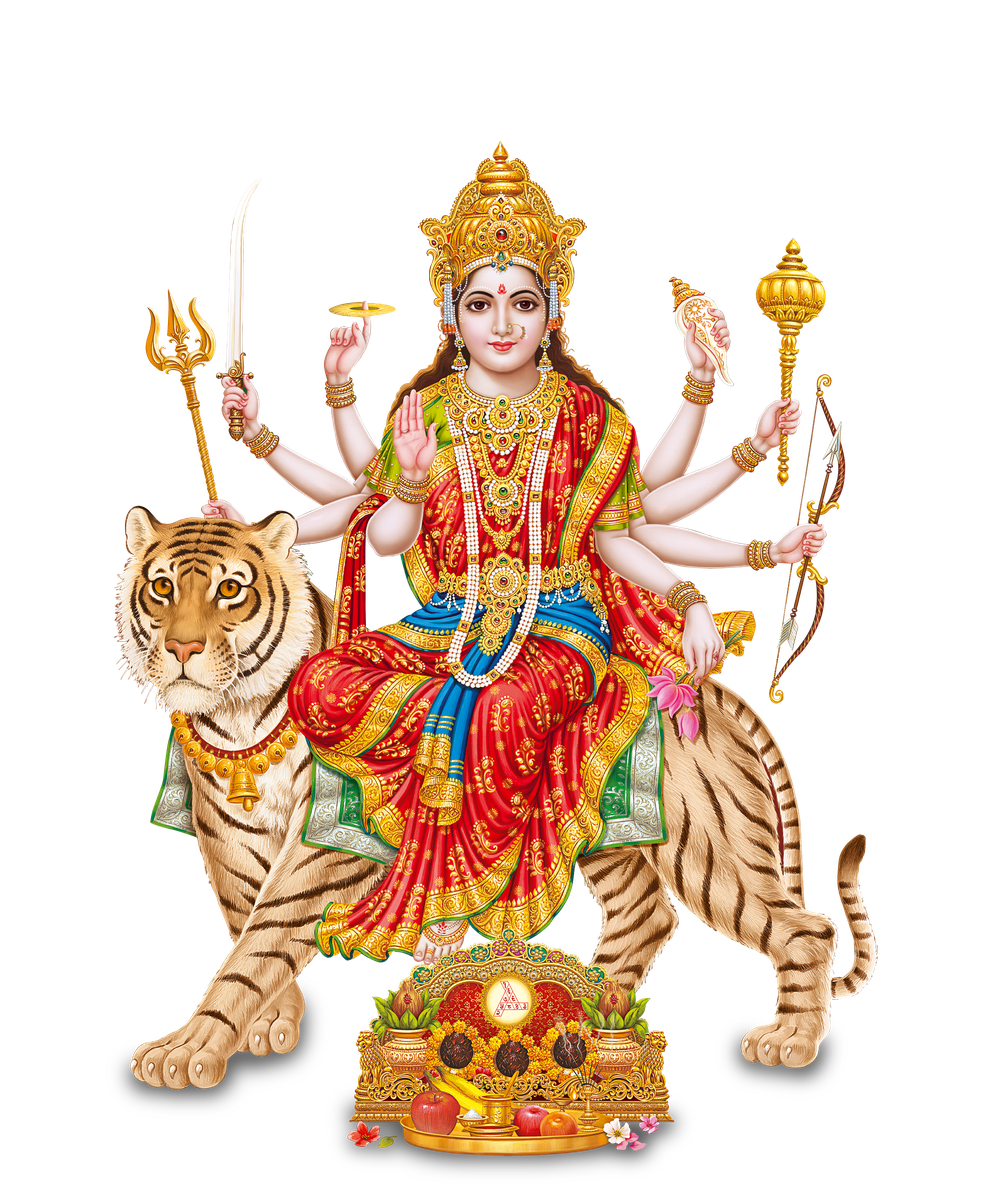
Women wake early, take a bath and wear new clothes, traditionally in green (symbolising the monsoon greenery, hence "Hariyali" Teej) with a full solah shringar — bangles, bindi, mehendi, sindoor and jewellery. An idol or picture of Goddess Parvati, along with Lord Shiva and Lord Ganesha, is placed on a decorated platform.
Fresh flowers, fruits, sweets, mehendi, bangles and other items of shringar are offered to the Goddess as a symbol of her being adorned as a bride. The Teej Mata Katha (this very story) is read or listened to during the puja, followed by an aarti. Many women observe a nirjala (waterless) fast, praying with full devotion through the day, and some also stay awake through the night in bhajan-kirtan.
Swings (jhula) are traditionally hung from trees, decorated with flowers, and women sing folk songs (teej geet) while swinging, celebrating the arrival of the monsoon and the joy of married life. Applying mehendi on the hands, feet and singing traditional Teej songs is an integral part of the festivities in most regions.
Vrat Niyam and Parana
The fast is typically broken the following day after formal worship of Parvati and Shiva, or in some traditions, on the third day (as the vrat can extend to three days in certain regions, beginning from Panchami of the previous month and being called "Teej-Panchami"). Devotees avoid grains, and many observe the fast strictly without water. Charity, feeding Brahmins, and gifting items of shringar to married women (as a mark of respect for Saubhagya) are considered highly meritorious on this day.
Significance and Benefits
Hariyali Teej is not just a religious observance but also a celebration of womanhood, marital love, and the arrival of the monsoon after the scorching summer, symbolising renewal and fertility of the earth itself. Parvati's story teaches that true devotion, patience and inner strength can overcome any obstacle, even the seemingly impossible task of winning over an ascetic deity absorbed in meditation.
For married women, the vrat is believed to strengthen the marital bond, ensure the husband's longevity and prosperity, and bring harmony to the household. For unmarried women, it is a prayer for a virtuous and devoted life partner. The festival also strengthens community and family bonds, as women gather together to sing, swing and celebrate.
Conclusion
Hariyali Teej beautifully captures the essence of devotion, patience and unconditional love through the story of Parvati's penance. It reminds every devotee that true union — whether spiritual or worldly — is earned through unwavering faith and perseverance, and that the greens of Shravan carry within them the promise of Parvati's eternal bond with Shiva.
Quick guide
Before you begin
Mantra
Devi mantra
Om Dum Durgaye Namah
Chant 11, 21, or 108 times according to your time and capacity.
Bhav
Benefits devotees pray for
FAQ
Common questions
What is the story behind Hariyali Teej?
It commemorates Goddess Parvati's severe penance across many lifetimes to win Lord Shiva as her husband, culminating in their divine marriage.
Who observes the Hariyali Teej vrat?
Married women observe it for their husband's long life and marital harmony, while unmarried girls keep it hoping for a devoted, virtuous life partner like Shiva.
What is the significance of swings (jhula) on Teej?
Swings decorated with flowers celebrate the arrival of the monsoon and the joyous reunion of Shiva and Parvati; women sing traditional folk songs while swinging.
Is the fast kept without water?
Many women observe a strict nirjala (waterless) fast, though some keep a phalahar fast depending on family tradition and health.
Celebrate Hariyali Teej with a Devotional Puja
Seek Goddess Parvati and Lord Shiva's blessings for a harmonious, prosperous married life through a Vedic puja performed on your behalf.