
 तारक ब्रह्म नाम
The Hare Krishna Maha Mantra, sixteen names in thirty-two syllables, is the most celebrated mantra of the Bhakti tradition for awakening pure love and devotion.
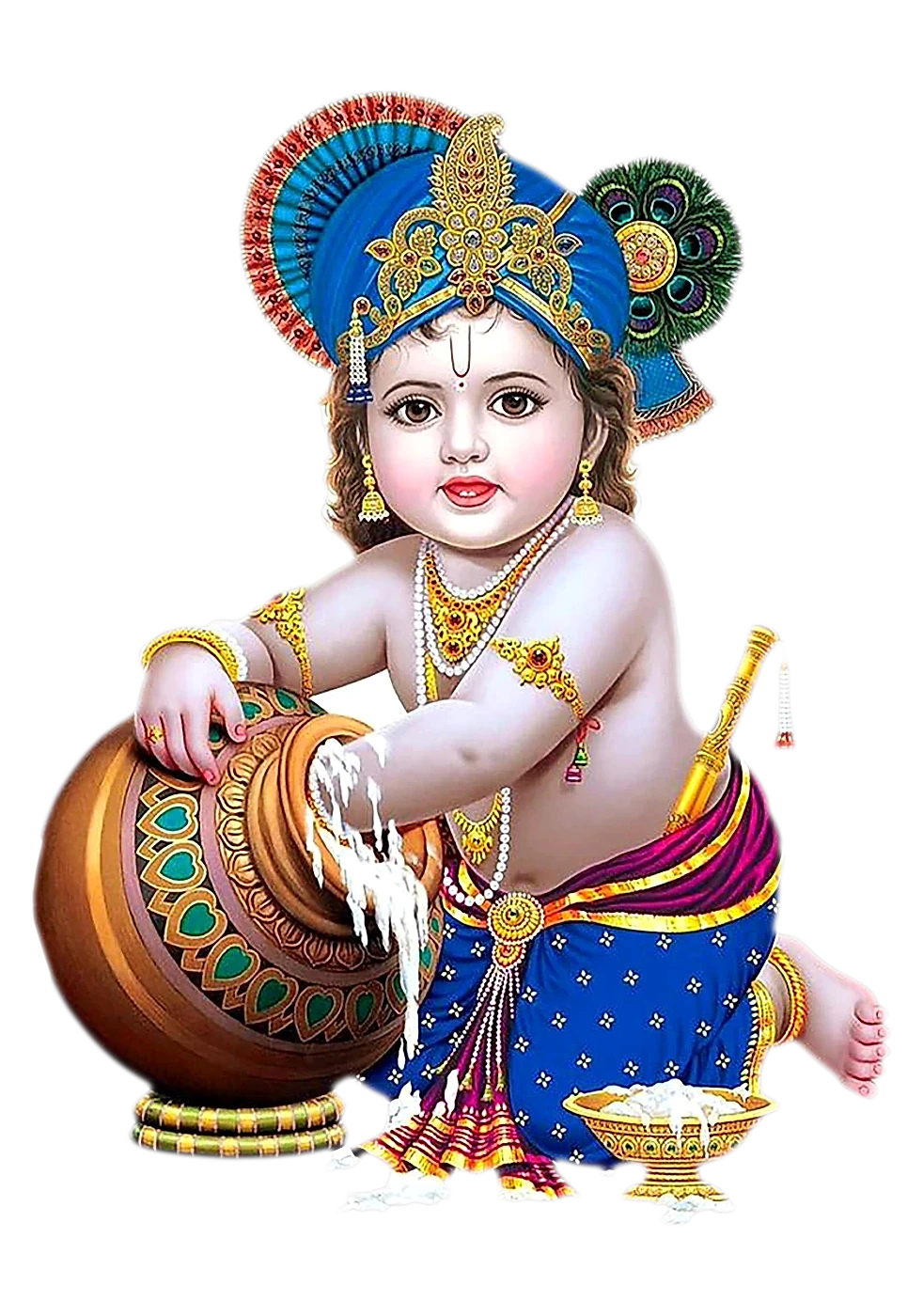
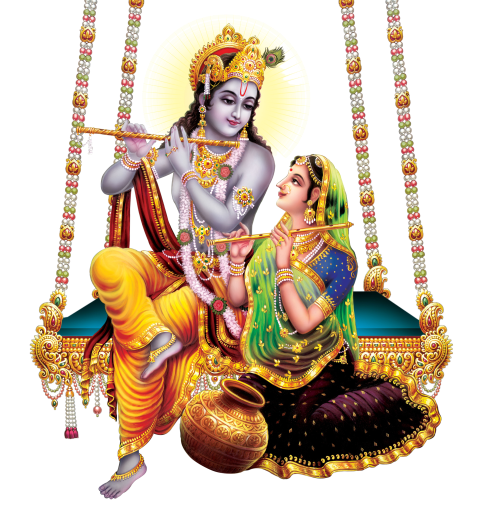
The Hare Krishna Maha Mantra, also called the Maha Mantra or the Great Mantra for Deliverance, is one of the most widely chanted mantras in the world today, sung in temples, homes and public gatherings across every continent. It is a mantra of pure Bhakti, devoted love, addressed to Bhagwan Krishna and his eternal consort Radha, through her sacred name Hare.
The Complete Mantra (Sanskrit)
हरे कृष्ण हरे कृष्ण कृष्ण कृष्ण हरे हरे हरे राम हरे राम राम राम हरे हरे
Transliteration: Hare Krishna Hare Krishna Krishna Krishna Hare Hare Hare Rama Hare Rama Rama Rama Hare Hare
Word-by-Word Meaning
Hare (हरे): a form of address to Hara, or Radha, the divine feminine energy, the one who removes the illusions and sufferings of the material world and draws the devotee closer to the Divine. Krishna (कृष्ण): the all-attractive one, Bhagwan Krishna, the supreme, playful, compassionate form of the divine, whose very name draws the heart of the devotee. Rama (राम): here understood both as Bhagwan Ram and as Rama meaning the one in whom all beings find joy and rest, closely linked with Krishna as Radha-Raman.
The mantra contains sixteen names arranged in thirty-two syllables. It is not a request for anything material; it is simply the repeated, loving call of the names of the divine couple, Radha and Krishna, and also invokes Bhagwan Ram.
Overall Meaning
The Hare Krishna Maha Mantra is essentially a prayer that says, O energy of the Lord (Hare), O all-attractive Lord (Krishna), O source of all pleasure (Rama), please engage me in Your loving service. It is not primarily a mantra of philosophical instruction but of direct, heartfelt calling out to the divine, in the mood of a child calling out to a beloved parent, or a devotee calling out to the one they love above all else.
Origin and Significance
This mantra finds mention in the Kali Santarana Upanishad, which states that in the Kali Yuga, chanting these sixteen names is the surest path to spiritual liberation, more accessible than complex rituals or austerities. Sri Chaitanya Mahaprabhu, the great fifteenth-century saint of Bengal, is especially credited with popularising the Sankirtan movement, congregational chanting of this mantra, teaching that the holy name itself carries the full presence and grace of the divine. He described the chanting of the Lord's names as cleansing the mirror of the heart, extinguishing the fire of material suffering, and awakening the ocean of transcendental bliss.
Benefits of Chanting Hare Krishna
Awakens genuine love, joy and devotion in the heart. Calms the mind, reduces stress, and brings emotional balance. Cleanses negative impressions and habits accumulated over time. Creates a natural detachment from material anxieties without renouncing worldly duties. Brings a deep sense of connection, community and belonging when chanted together (Sankirtan). Opens the heart to compassion, humility and simplicity. Considered by tradition to be the easiest and most direct path to spiritual upliftment in the present age.
How and When to Chant
Best time: Chanting can be done at any time, though the early morning hours (Brahma Muhurat) are traditionally considered especially auspicious and peaceful for japa. Mala: A Tulsi mala of 108 beads is traditionally used. One round equals one full circuit of the mala (108 repetitions of the full mantra). Many devotees aim for a minimum of one to sixteen rounds daily, depending on their capacity and commitment. Method: The mantra may be chanted softly to oneself (japa) using the mala, or sung aloud in a group with music and instruments such as kartals and mridanga (kirtan or sankirtan). Both forms are considered equally powerful; japa is more meditative and personal, while kirtan is joyous and communal. Attitude: The mantra is most effective when chanted with humility, attentiveness and genuine longing, rather than mechanically. Traditional teaching emphasises chanting without offence, meaning with sincerity, respect, and without distraction or ill will toward others.
Dos and Don'ts
Chant attentively rather than letting the mind wander during japa. Maintain a regular daily practice rather than only chanting occasionally. Approach the mantra with humility and love rather than as a mechanical ritual. It is welcoming to all, regardless of background; no elaborate rituals are required to begin. Avoid chanting with a distracted or disrespectful attitude, as sincerity is considered central to its power.
Mahatmya (Glory) of the Mantra
Sri Chaitanya Mahaprabhu's famous Shikshashtakam verses describe the glory of the holy name in beautiful terms, stating that chanting the names of Bhagwan Krishna cleanses the mirror of the heart, extinguishes the blazing fire of worldly existence, spreads the moonlight of good fortune, and is the very life of transcendental knowledge. It is said that simply by chanting with faith, even one unfamiliar with scripture or ritual can experience deep spiritual awakening.
Frequently Asked Questions
What is the meaning of the word Hare in the mantra? Hare refers to Radha, or Hara, the divine energy of the Lord, who is called upon to engage the devotee in loving service to Krishna.
How many times should the Hare Krishna mantra be chanted daily? A common practice is one round (108 repetitions) daily as a minimum, with many devotees chanting sixteen rounds a day as a committed spiritual discipline.
Can this mantra be chanted by people of any faith or background? Yes, the Hare Krishna Maha Mantra is open to all sincere seekers regardless of background, and is chanted worldwide by people from many cultures and traditions.
Is there a difference between japa and kirtan chanting of this mantra? Japa is quiet, individual chanting using a mala, ideal for personal meditation, while kirtan is joyful, musical, communal chanting, often with instruments, that builds collective devotion and celebration.
Quick guide
Before you begin
Mantra
Krishna mantra
Om Kleem Krishnaya Namah
Chant with love and surrender, especially before Krishna katha, aarti, or bhog.
Bhav
Benefits devotees pray for
FAQ
Common questions
What is the meaning of the word Hare in the mantra?
Hare refers to Radha, or Hara, the divine energy of the Lord, who is called upon to engage the devotee in loving service to Krishna.
How many times should the Hare Krishna mantra be chanted daily?
A common practice is one round (108 repetitions) daily as a minimum, with many devotees chanting sixteen rounds a day as a committed spiritual discipline.
Can this mantra be chanted by people of any faith or background?
Yes, the Hare Krishna Maha Mantra is open to all sincere seekers regardless of background, and is chanted worldwide by people from many cultures and traditions.
Is there a difference between japa and kirtan chanting of this mantra?
Japa is quiet, individual chanting using a mala, ideal for personal meditation, while kirtan is joyful, musical, communal chanting, often with instruments, that builds collective devotion and celebration.
Invite Krishna's Grace Into Your Life
Book a Krishna puja or Janmashtami seva performed with devotion and vidhi-vidhan.