

 ॐ धन्वंतरये नमः
Traditional Dhanvantari mantra sadhana and Mrityunjaya remedies followed alongside proper medical treatment when praying for relief from chronic illness.
Chronic illness tests not just the body but the mind and spirit of the person suffering and their entire family. Sanatan Dharma has always honoured the physician's science alongside spiritual healing - Bhagwan Dhanvantari, the divine physician who emerged from the Samudra Manthan bearing the amrit kalash (pot of nectar of immortality), is worshipped as the deity of health, medicine and healing. This article offers traditional, dharmic upay drawn from this tradition, meant to bring strength, peace and support to a healing journey that must always be led by qualified medical care.
Who is Dhanvantari and why he is invoked for health
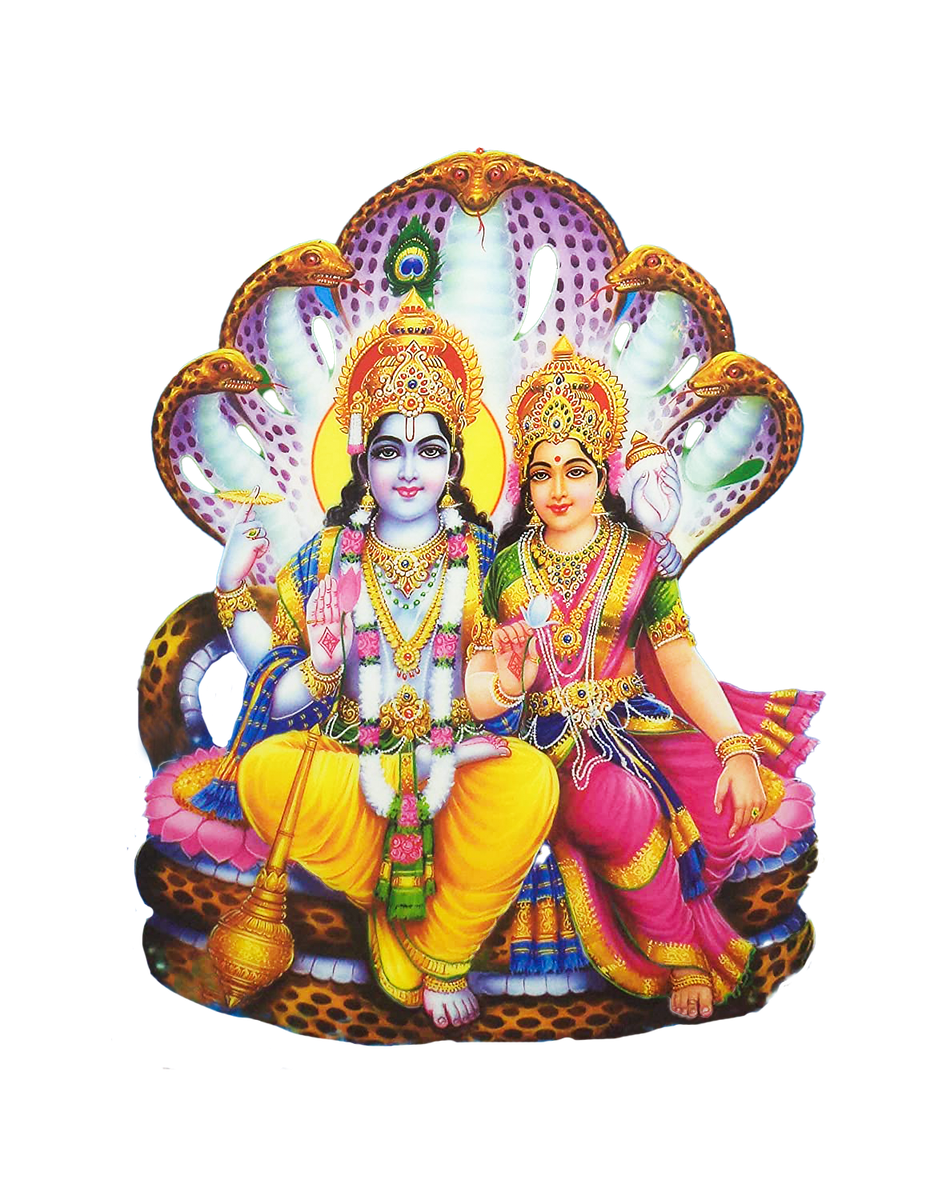
Dhanvantari is described in the Puranas as an incarnation of Bhagwan Vishnu, the physician of the Devas, who appeared during the churning of the ocean (Samudra Manthan) carrying the pot of amrit. He is considered the source of Ayurveda, the ancient science of life and healing, and is invoked at the start of medical treatment, before surgery, and during recovery from serious illness, by devotees seeking both the wisdom of right treatment and the strength to heal.
Upay 1: Dhanvantari mantra jaap
The most widely chanted mantra for health is: 'Om Namo Bhagavate Maha Sudarshana Vasudevaya, Dhanvantaraye Amrita Kalasha Hastaya Sarva Bhaya Vinashaya Sarva Rogha Nivaranaya Trailokya Pathaye Sri Maha Vishnu Swarupa Sri Dhanvantari Swarupa Sri Sri Sri Aoushadha Chakra Narayana Swaha'. A shorter, easier version many devotees use daily is: 'Om Sri Dhanvantre Namah'. This can be chanted 108 times daily, ideally in the morning, either by the patient (if able) or by family members praying on their behalf.
Upay 2: Mahamrityunjaya mantra
Dedicated to Lord Shiva as Mrityunjaya (conqueror of death), this is one of the most powerful and widely recited mantras for health and longevity: 'Om Tryambakam Yajamahe Sugandhim Pushtivardhanam, Urvarukamiva Bandhanan Mrityor Mukshiya Mamritat'. Devotees chant this 108 times or more daily, especially during illness, surgery, or recovery, with sincere faith in Lord Shiva's protective grace. Many families arrange a Mahamrityunjaya jaap or havan through a qualified purohit during serious illness, alongside ongoing medical treatment.
Upay 3: Shivling abhishek and Dhanvantari puja on Dhanteras
On Dhanteras (during Diwali), which is Bhagwan Dhanvantari's appearance day, many households perform a special puja to him, praying for freedom from disease for the family in the coming year. Throughout the year, performing a simple Shivling abhishek with water and bel patra on Mondays, while praying for health, is a widely followed dharmic practice.
Upay 4: Charity and seva connected to health
Donating medicines, food, or funds to a hospital, dispensary or needy patients is a traditional act of daan believed to bring healing blessings. Feeding cows, and offering food to the needy on Saturdays (associated with removing suffering), are also commonly practised alongside prayers for recovery.
Upay 5: Lifestyle and household practices supporting healing
Keep the home and especially the patient's room clean, well-ventilated and filled with natural light, in line with basic Vastu and hygiene principles. Play soft devotional chanting (like the Mahamrityunjaya mantra or Vishnu Sahasranama) quietly in the background, which many families find brings calm to the patient. Maintain a satvik, simple diet as advised by the treating doctor, and avoid any home remedy that has not been cleared by the physician, however well-meaning. Keep the household atmosphere positive and hopeful - stress and fear in the family are known to affect a patient's morale and recovery.
What to avoid
Never stop, delay or replace prescribed medical treatment, medication or surgery in favour of ritual alone - this can be dangerous and is not the true spirit of dharma, which honours both faith and medical science together. Be cautious of anyone who claims a puja, mantra or object can cure a serious illness without medical treatment - this is not Sanatan Dharma's teaching and such claims should never be trusted with a person's life. Avoid superstitions that create fear or blame (such as attributing illness solely to 'past life sins' in a way that discourages seeking treatment) - Sanatan Dharma calls for compassion, not fatalism.
A gentle word of caution
This article shares traditional devotional practices that bring many families comfort, hope and inner strength during illness; they are a matter of faith and are never a substitute for the advice, diagnosis or treatment of a qualified doctor. Please follow your physician's guidance fully and use these upay only as a spiritual support alongside it.
Mahatmya
The story of Dhanvantari emerging from the ocean with the amrit kalash reminds us that healing itself is a divine gift, born of patience (the long churning of the ocean) and cooperation between opposing forces. When we pray to him during illness, we honour both the physician's skill and the deeper faith that sustains the will to heal.
Quick guide
Before you begin
Mantra
Vishnu mantra
Om Namo Bhagavate Vasudevaya
Chant before katha or aarti while praying for protection, dharma, and peace.
Bhav
Benefits devotees pray for
FAQ
Common questions
Can these upay replace medicine for a chronic illness?
No. These upay are meant to bring spiritual strength, calm and hope alongside proper medical care - never as a replacement for prescribed medication or treatment. Please always follow your doctor's advice fully.
Who should chant the Dhanvantari or Mahamrityunjaya mantra - the patient or the family?
Either or both. If the patient is well enough, they may chant themselves; otherwise family members chanting sincerely on the patient's behalf is a widely followed and equally meaningful practice.
Is it necessary to do a formal havan for a sick family member?
It is not mandatory. A havan through a qualified purohit is one traditional option some families choose for serious illness, but sincere daily mantra jaap and puja at home carry equal devotional value.
How many times should the Mahamrityunjaya mantra be chanted daily?
108 times (one mala) is the commonly followed count, though some devotees chant more during serious illness. Consistency and sincerity matter more than the exact number.
Pray for Health & Healing
Book a puja dedicated to Bhagwan Dhanvantari and Mahamrityunjaya for strength, peace and healing blessings.