
 नवग्रह एवं रत्न विज्ञान
An easy guide to which gemstone is traditionally associated with each of the nine grahas, and the cautions to follow before wearing one.
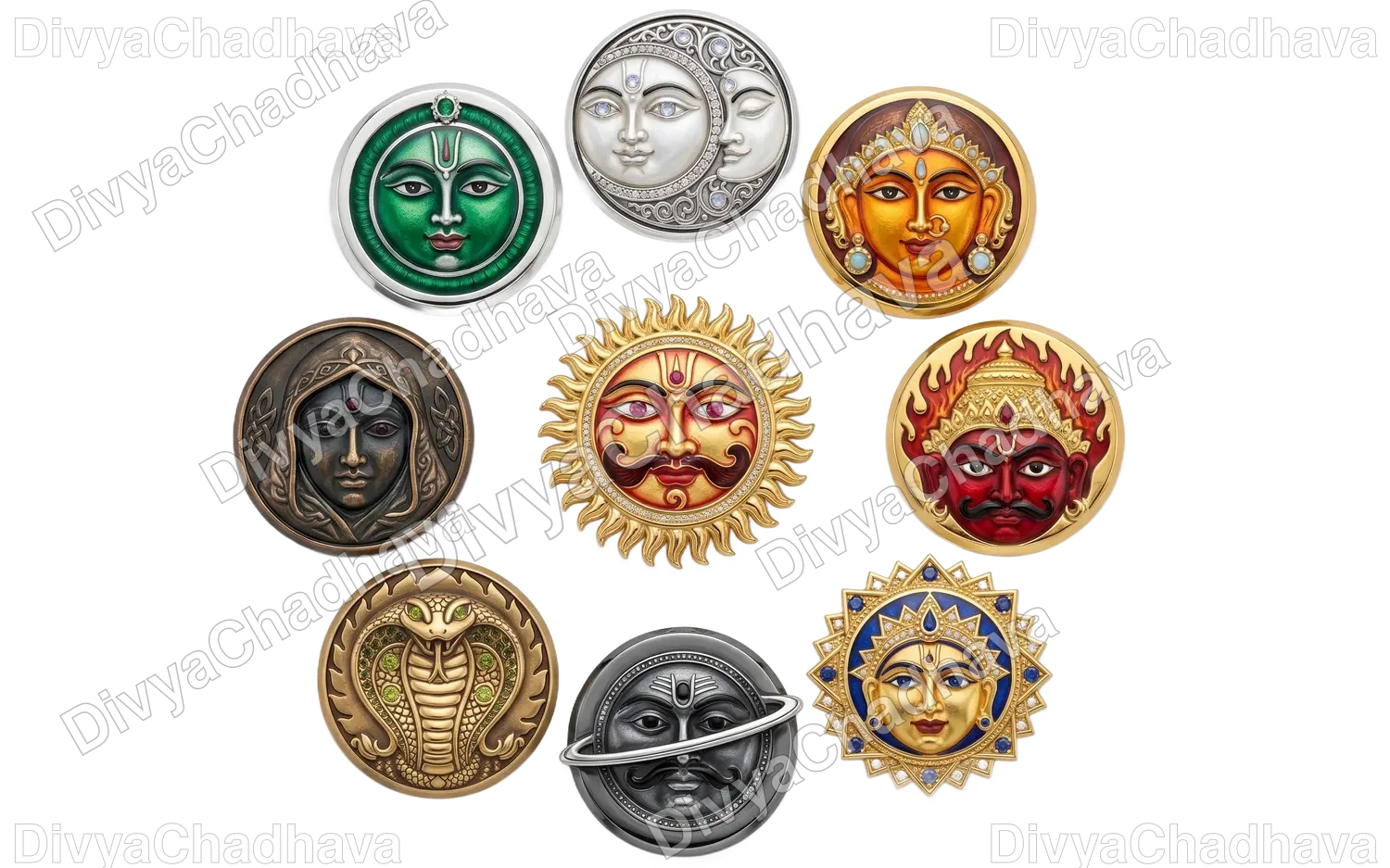
Ratna Shastra, the traditional science of gemstones, holds that each of the nine grahas (Navagraha) — the celestial bodies that influence a person's life according to Jyotish — is linked to a particular gemstone whose vibration is believed to strengthen that graha's positive qualities in the wearer's life. This is a well-loved but often misunderstood upay: gemstones are powerful, and the tradition itself insists they should never be worn casually or based on trend alone.
The Nine Grahas and Their Traditional Gemstones
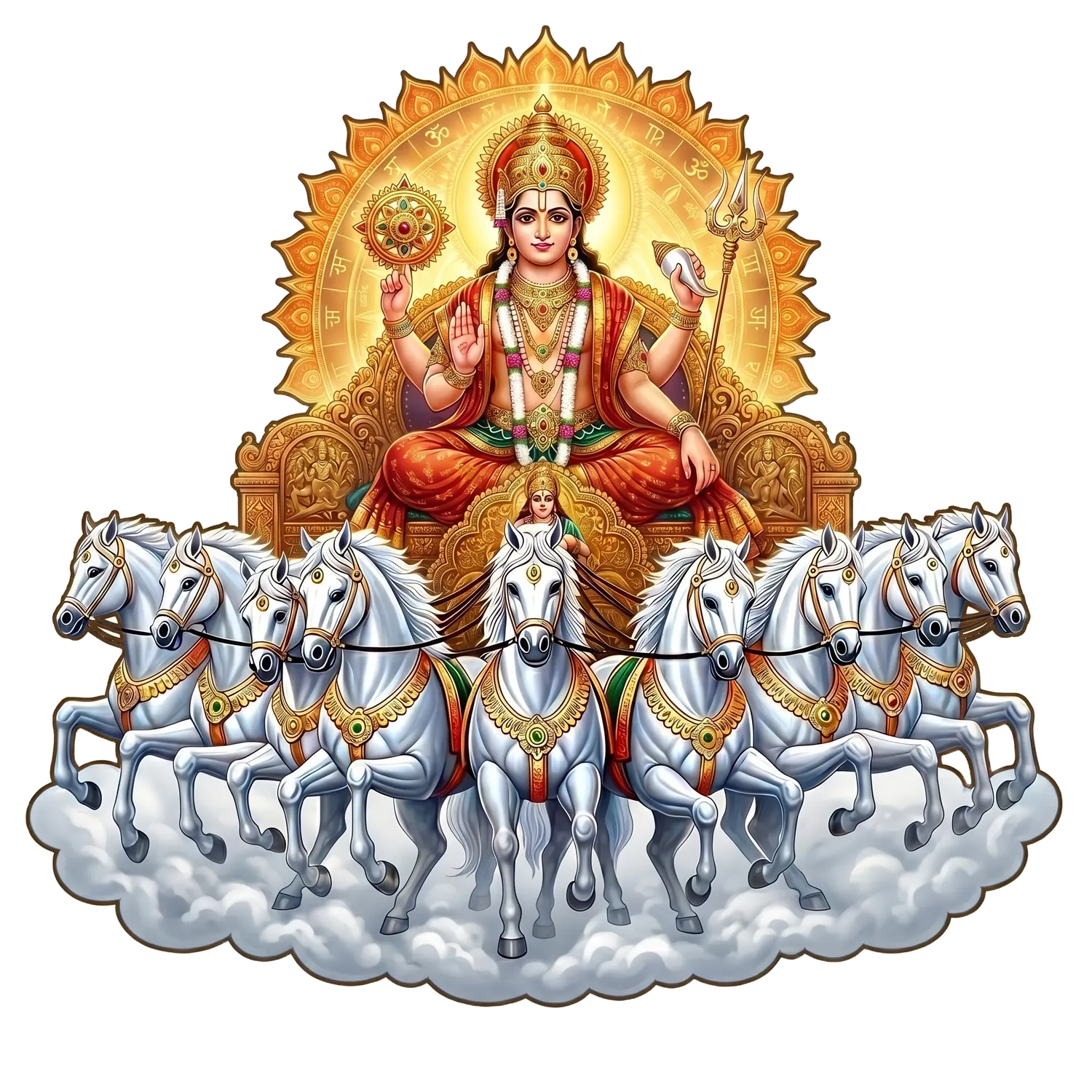
Surya (Sun): Ruby (Manik). Associated with confidence, leadership, authority, vitality and father figures. Worn to strengthen self-esteem and standing in life.
Chandra (Moon): Pearl (Moti). Associated with the mind, emotions, peace and mother figures. Worn to calm anxiety, improve emotional balance and sleep.
Mangal (Mars): Red Coral (Moonga). Associated with courage, energy, property matters and siblings. Worn to boost willpower and physical stamina, and sometimes for marriage-related delays linked to Mangal dosha.
Budh (Mercury): Emerald (Panna). Associated with intellect, communication, business acumen and education. Worn to sharpen thinking, speech and analytical skill.
Guru (Jupiter): Yellow Sapphire (Pukhraj). Associated with wisdom, wealth, marriage, children and spiritual growth. One of the most widely recommended stones, since Guru is considered the most benefic graha.
Shukra (Venus): Diamond (Heera) or, as a substitute, White Sapphire (Safed Pukhraj). Associated with love, beauty, luxury, art and relationships. Worn for harmony in relationships and material comfort.
Shani (Saturn): Blue Sapphire (Neelam). Associated with discipline, karma, longevity and structure. This is the most powerful and unpredictable of all gemstones — it can bring rapid results, positive or negative, and must never be worn without careful testing.
Rahu: Hessonite Garnet (Gomed). Associated with sudden events, foreign connections, ambition and unconventional paths. Worn to steady erratic Rahu-driven impulses.
Ketu: Cat's Eye (Lehsunia/Vaidurya). Associated with detachment, spirituality, intuition and unexpected losses or gains. Worn to channel Ketu's energy toward spiritual growth rather than confusion.
How Gemstones Are Traditionally Chosen
A gemstone is not simply picked because it "looks nice" or because a graha appears weak on paper — traditional practice recommends it be chosen based on a careful reading of the birth chart (janma kundali), the graha's placement, its relationship with the ascendant (lagna), and the specific life area needing support. The same graha being weak for two different people can call for very different remedies depending on their overall chart.
General Guidance on Wearing a Gemstone
Genuine, unheated, natural stones are considered essential — synthetic or treated stones are believed to carry little to no traditional benefit and some say may even do more harm than good.
Stones are usually set in gold or silver (as suited to the graha) and worn on a specific finger, on a specific day associated with that graha, after a purification ritual (like dipping briefly in Panchamrit or Gangajal) and a short prayer to the graha's presiding deity.
A short trial period (commonly a few days to a few weeks) is traditionally recommended before committing to wearing a stone long-term, to observe how it feels and whether any adverse reaction (restlessness, unexpected setbacks) appears.
Ratna upay is meant to be combined with, not replace, the mantra, daan (charity) and puja remedies for that graha; gemstones amplify a graha's energy, they don't act alone.
Important Cautions
Do not wear a gemstone, especially a strong one like blue sapphire or hessonite, based only on a friend's suggestion, an online quiz, or which stone "looks pretty" — always seek guidance based on your actual birth chart from someone knowledgeable.
Do not combine gemstones for grahas that are traditionally considered enemies to each other (for example ruby and blue sapphire together, or pearl and hessonite together) without proper guidance, as this can create conflicting energies.
Do not wear a gemstone as a medical treatment or a substitute for professional financial, legal or health advice — it is a supportive spiritual practice, not a cure.
If a stone causes noticeable discomfort, sleep disturbance, unusual irritability or a string of setbacks after wearing it, it is traditionally recommended to remove it and reconsider, rather than persist through discomfort.
A gentle disclaimer
Ratna Shastra is a matter of deep faith and long-standing tradition, and many devotees find genuine comfort and confidence in wearing a well-chosen stone. However, gemstones are also a significant purchase and, in the case of stones like Neelam, can be genuinely unpredictable — please approach this upay thoughtfully, verify authenticity from a trusted source, and treat it as a complement to, never a replacement for, professional medical, legal or financial advice.
Quick guide
Before you begin
Mantra
Devi mantra
Om Dum Durgaye Namah
Chant 11, 21, or 108 times according to your time and capacity.
Bhav
Benefits devotees pray for
FAQ
Common questions
How do I know which gemstone is right for me?
The right stone depends on your full birth chart, not just one weak graha, so it is best determined through a proper reading rather than guesswork, a quiz, or general online lists.
Is Blue Sapphire (Neelam) safe for everyone?
No. Neelam is known to be the most powerful and unpredictable navaratna; it can give very fast, strong results, positive or negative, and should only be worn after careful testing and guidance, never casually.
Can I wear more than one gemstone at a time?
It is possible, but only when the grahas involved are traditionally friendly to each other; combining stones for grahas considered enemies (like Sun's ruby and Saturn's blue sapphire) without guidance is generally discouraged.
What if I cannot afford a genuine gemstone?
Mantra japa, daan (charity), fasting and puja dedicated to that graha are all valid and complete remedies on their own; a gemstone is an enhancement, never a mandatory requirement for spiritual practice.
Seek Graha Shanti Through a Puja
If you wish to have a dedicated Navagraha or graha shanti puja performed with full vidhi before choosing a gemstone, explore our puja offerings.