
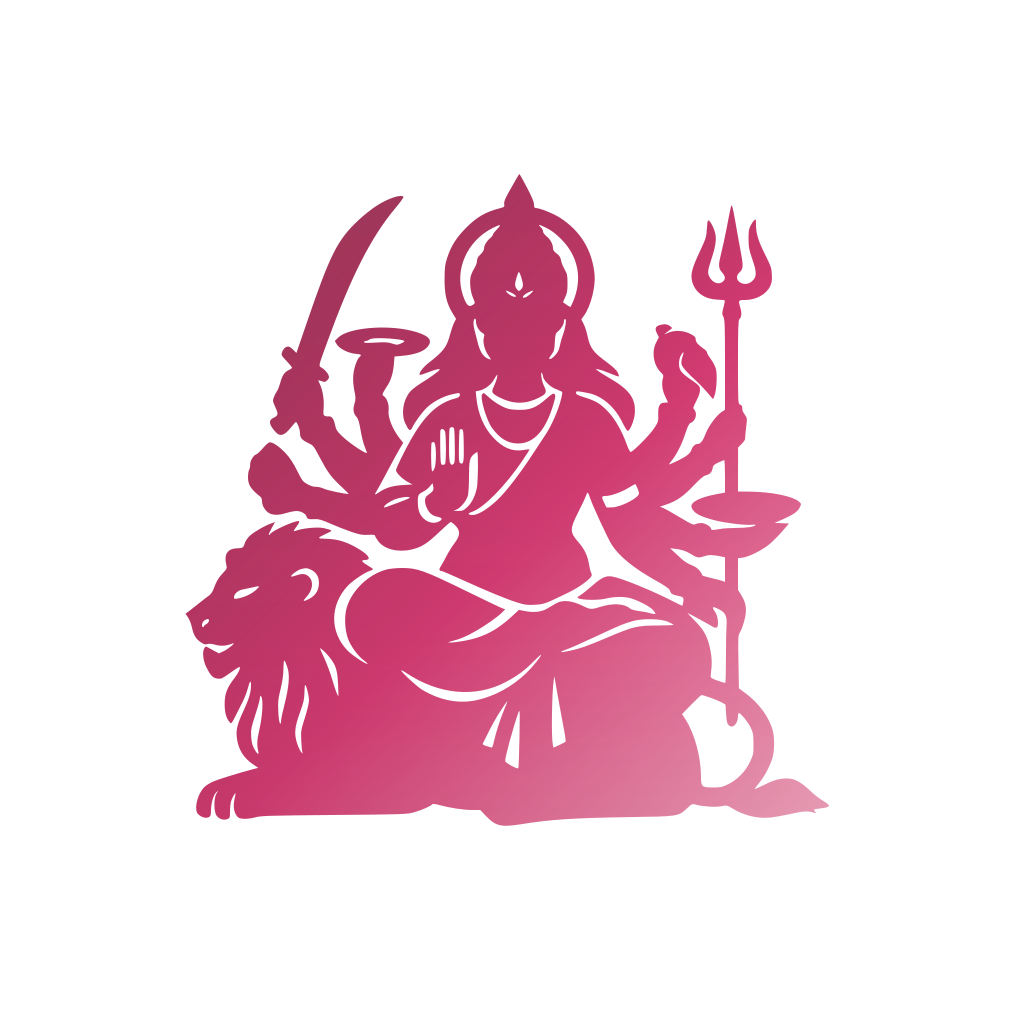
 या देवी सर्वभूतेषु शक्तिरूपेण संस्थिता
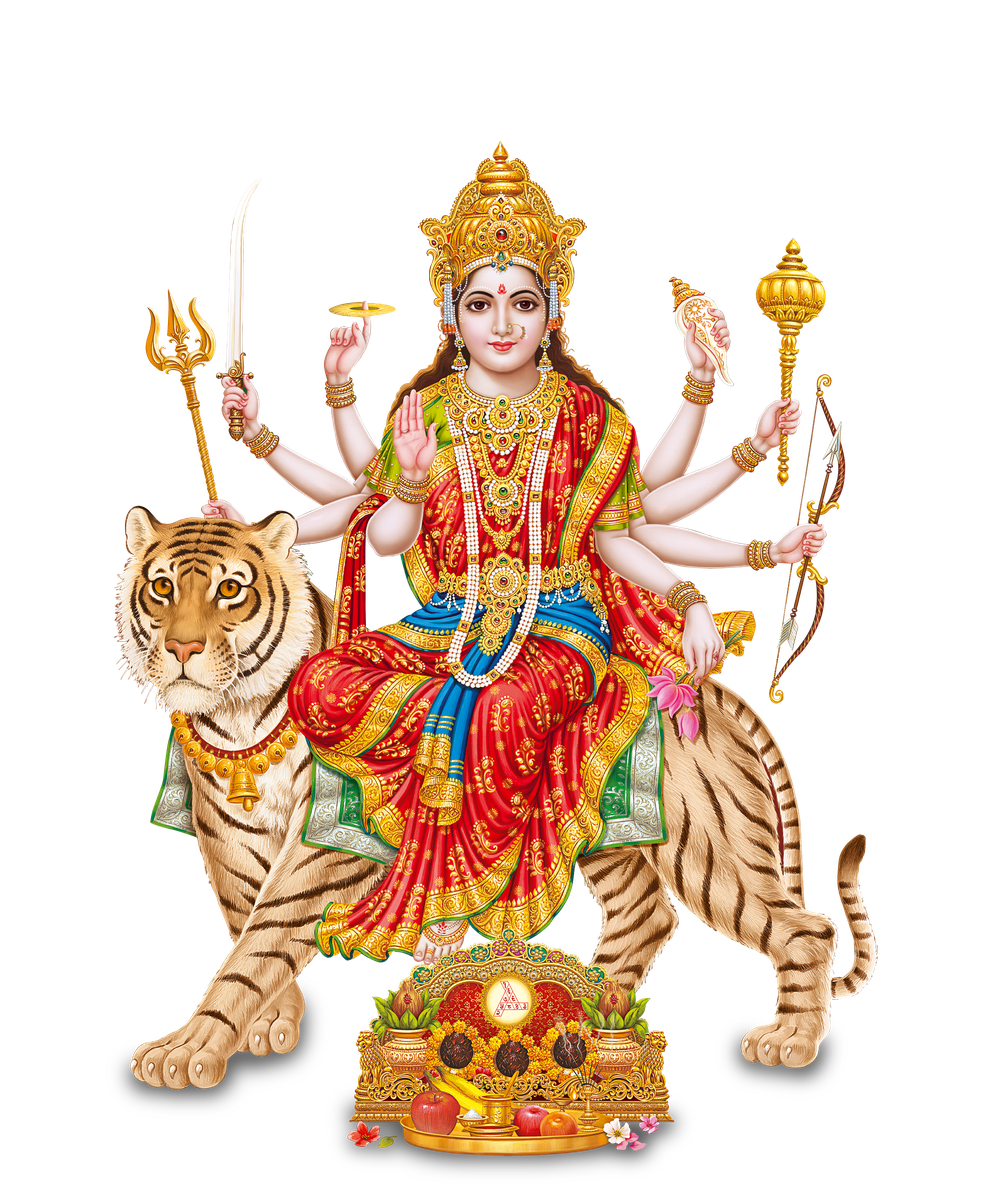
Durga Kavach is a sacred Sanskrit armor-hymn from the Devi Mahatmyam in which Maa Durga's many forms protect every part of the body and every direction of life.
Durga Kavach, meaning "the armor of Durga," is one of the most powerful protective stotras in Sanatan Dharma. It appears in the Devi Mahatmyam (also called Durga Saptashati or Chandi Path) within the Markandeya Purana, and is traditionally recited before beginning the Saptashati path, along with the Argala Stotra and Keelak Stotra.
The Kavach is structured as a dialogue between sage Markandeya and Brahma. Markandeya asks for the most secret, all-protecting knowledge in existence, and Brahma reveals the Durga Kavach — a hymn in which the nine forms of Durga (Navdurga) and dozens of other Devi forms take their stations at every direction and at every part of the devotee's body, standing guard like an invisible armor.
Origin & Significance
The word "kavach" literally means armor or shield. Just as a warrior wears physical armor before entering battle, a devotee "wears" this hymn spiritually before facing the battles of daily life — illness, danger, negativity, fear, obstacles, or actual conflict. The text first names the Navdurga — Shailaputri, Brahmacharini, Chandraghanta, Kushmanda, Skandamata, Katyayani, Kalaratri, Mahagauri and Siddhidatri — and then describes how various Devi forms (Chamunda, Varahi, Aindri, Vaishnavi, Maheshwari, Kaumari, Lakshmi, Ishwari, Brahmi and others) protect the ten directions, and how goddesses such as Jaya, Vijaya, Ajita, Aparajita, Chandika and many more protect every single part of the body — the head, forehead, eyes, ears, nose, throat, heart, hands, feet, skin, bones, breath, and even the mind, intellect and ego.
Complete Durga Kavach (Devanagari)
ॐ अस्य श्रीचण्डीकवचस्य ब्रह्मा ऋषिः, अनुष्टुप् छन्दः, चामुण्डा देवता, अङ्गन्यासोक्तमातरो बीजम्, दिग्बन्धदेवतास्तत्त्वम्, श्रीजगदम्बाप्रीत्यर्थे सप्तशतीपाठाङ्गत्वेन जपे विनियोगः।
मार्कण्डेय उवाच ॐ यद्गुह्यं परमं लोके सर्वरक्षाकरं नृणाम्। यन्न कस्यचिदाख्यातं तन्मे ब्रूहि पितामह ॥१॥
ब्रह्मोवाच अस्ति गुह्यतमं विप्र सर्वभूतोपकारकम्। देव्यास्तु कवचं पुण्यं तच्छृणुष्व महामुने ॥२॥
प्रथमं शैलपुत्री च द्वितीयं ब्रह्मचारिणी। तृतीयं चन्द्रघण्टेति कूष्माण्डेति चतुर्थकम् ॥३॥
पञ्चमं स्कन्दमातेति षष्ठं कात्यायनीति च। सप्तमं कालरात्रीति महागौरीति चाष्टमम् ॥४॥
नवमं सिद्धिदात्री च नवदुर्गाः प्रकीर्तिताः। उक्तान्येतानि नामानि ब्रह्मणैव महात्मना ॥५॥
अग्निना दह्यमानास्तु शत्रुमध्यगता रणे। विषमे दुर्गमे चैव भयार्ताः शरणं गताः ॥६॥
न तेषां जायते किंचिदशुभं रणसंकटे। नापदं तस्य पश्यामि शोकदुःखभयं न हि ॥७॥
यैस्तु भक्त्या स्मृता नूनं तेषां वृद्धिः प्रजायते। ये त्वां स्मरन्ति देवेशि रक्षसे तान्न संशयः ॥८॥
प्रेतसंस्था तु चामुण्डा वाराही महिषासना। ऐन्द्री गजसमारूढा वैष्णवी गरुडासना ॥९॥
माहेश्वरी वृषारूढा कौमारी शिखिवाहना। लक्ष्मीः पद्मासना देवी पद्महस्ता हरिप्रिया ॥१०॥
श्वेतरूपधरा देवी ईश्वरी वृषवाहना। ब्राह्मी हंससमारूढा सर्वाभरणभूषिता ॥११॥
इत्येता मातरः सर्वाः सर्वयोगसमन्विताः। नानाभरणशोभाढ्या नानारत्नोपशोभिताः ॥१२॥
दृश्यन्ते रथमारूढा देव्यः क्रोधसमाकुलाः। शङ्खं चक्रं गदां शक्तिं हलं च मुसलायुधम् ॥१३॥
खेटकं तोमरं चैव परशुं पाशमेव च। कुन्तायुधं त्रिशूलं च शार्ङ्गमायुधमुत्तमम् ॥१४॥
दैत्यानां देहनाशाय भक्तानामभयाय च। धारयन्त्यायुधानीत्थं देवानां च हिताय वै ॥१५॥
Meaning
Verses 1-2 (Invocation): Sage Markandeya asks Brahma to reveal the most secret and universally protective knowledge. Brahma agrees to describe the sacred Kavach of the Devi, calling it the highest secret that benefits all beings.
Verses 3-5 (The Nine Forms): Brahma names the nine forms of the Goddess — Shailaputri, Brahmacharini, Chandraghanta, Kushmanda, Skandamata, Katyayani, Kalaratri, Mahagauri and Siddhidatri — declared as the Navdurga.
Verses 6-8 (Promise of Protection): Those who remember the Devi with devotion — whether burning in fire, surrounded by enemies in battle, or lost in a difficult and fearful place — come to no harm. Whoever remembers Her grows in prosperity, and whoever calls upon Her is protected without doubt.
Verses 9-16 (The Many Forms and Their Weapons): The various forms of the Mother — Chamunda seated on a corpse, Varahi on a buffalo, Aindri on an elephant, Vaishnavi on Garuda, Maheshwari on a bull, Kaumari on a peacock, Lakshmi on a lotus, Brahmi on a swan — are described riding their chariots, adorned with ornaments, carrying conch, discus, mace, spear, plough, trident, bow and many divine weapons, ready to destroy evil and protect their devotees.
Verses 17-19 (Protection of the Ten Directions): Aindri protects the east, Agnidevata the south-east, Varahi the south, the sword-bearing goddess the south-west, Varuni the west, the deer-riding goddess the north-west, Kaumari the north, the trident-bearing goddess the north-east, Brahmani above and Vaishnavi below.
Verses 20-42 (Protection of Every Limb): This is the heart of the Kavach. Jaya guards the front, Vijaya the back, Ajita the left, Aparajita the right. Udyotini protects the crown of the head, Uma the top of the head, Malaadhari the forehead, Yashasvini the eyebrows, Trinetra between the brows, Yamaghanta the nose, Shankhini the eyes, the Devi of the doorway the ears, Kalika the cheeks, Shankari the base of the ears, Sugandha the nostrils, Charchika the upper lip, Amritakala the lower lip, Saraswati the tongue, Kaumari the teeth, Chandika the throat, Chitraghanta and Mahamaya the palate, Kamakshi the chin, Sarvamangala speech, Bhadrakali the neck, Dhanurdhari the spine, Khadgini the shoulders, Vajradharini the arms, Dandini the hands, Ambika the fingers, Shuleshwari the nails, Kuleshwari the abdomen, Mahadevi the chest and sorrow, Lalita the mind, the trident-bearing Devi the heart and stomach, Nishumbhini the navel, Guhyeshwari the intimate areas, Bhagavati the waist, Mahabala the thighs, Vindhyavasini the knees, Narasimhi the ankles, Taijasi the soles, Shri the toes, and so on through nails, hair, skin, blood, flesh, bones, marrow, intestines, bile, phlegm, semen, breath, senses, and even the qualities of sattva, rajas and tamas — every single element of the body and mind is placed under the protection of a specific form of the Devi.
Benefits of Chanting Durga Kavach
Devotees chant Durga Kavach for comprehensive protection — physical, mental and spiritual. It is believed to shield the reciter from accidents, illness, black magic, evil eye, fear and negative energies. Many also chant it before an important journey, an exam, a court case, a medical procedure, or when starting something new, seeking Maa Durga's courage and steadiness. Because it names a protecting form of the Devi for practically every part of the body, it is considered one of the most complete protective hymns in the Sanatan tradition.
How to Chant Durga Kavach — Vidhi
Wake up in the Brahma Muhurta or bathe and sit in a clean, quiet place. Light a diya and incense before an image of Durga Mata. Sit facing east or north. Keep the mind calm and free of anger. Begin with a short invocation to Ganesh and Guru, then recite the Durga Kavach with clear pronunciation and devotion, without rushing. If you are also reading Durga Saptashati, the Kavach is read first, followed by Argala Stotra and Keelak Stotra, before the main Saptashati path. It may be read once, or repeated three times, especially during Navratri.
Best Time & Day
Durga Kavach can be recited any day, but it is especially powerful during Navratri, on Tuesdays and Fridays (days associated with Shakti), and in the early morning hours. Many devotees also recite it before undertaking Durga Saptashati path or any significant life event that requires courage and protection.
Do's and Don'ts
Do maintain cleanliness and purity of mind and body before reciting. Do chant with full faith and steady attention rather than mechanically. Do keep a small gap of understanding — even a simple reading of the meaning helps deepen the experience. Avoid reciting in anger, under the influence of intoxicants, or while distracted. Avoid skipping verses for the sake of speed — completeness matters more than speed. There is no need for fear around this stotra; it is protective, never harmful, when read with a sincere and respectful heart.
Mahatmya (Glory) of Durga Kavach
Scriptures describe Durga Kavach as a secret so powerful that even the gods consider it rare. It is said that one who wears this "armor" faces no obstacle they cannot overcome, for the Mother Herself, in Her countless forms, stands as their shield in every direction and around every part of their being.
Disclaimer
This article is offered for devotional and informational purposes based on traditional textual sources. It is not a substitute for the direct guidance of a qualified purohit for elaborate rituals, nor for professional medical, legal or security advice in real emergencies.
Quick guide
Before you begin
Mantra
Devi mantra
Om Dum Durgaye Namah
Chant 11, 21, or 108 times according to your time and capacity.
Bhav
Benefits devotees pray for
FAQ
Common questions
Can Durga Kavach be recited daily?
Yes. Many devotees recite it every morning after a bath, especially before starting the day's work or travel, and it is traditionally read before Durga Saptashati path.
Who can recite Durga Kavach?
Anyone with sincere faith may recite it. It is customary to keep the mind calm, sit facing east or north, and chant with devotion rather than haste.
Does Durga Kavach need any special initiation?
No formal initiation is required for personal devotional recitation. If it is read as part of a full Saptashati anushthan, elders or a knowledgeable purohit may guide the sequence (Kavach, Argala, Keelak).
Is Durga Kavach only for protection from enemies?
While it emphasises protection in battle and danger, in everyday life it is chanted for protection from illness, accidents, negative energy, fear and obstacles of all kinds.
Seek Maa Durga's Protection Through Puja
Let our pandits perform a Durga puja and sankalp on your behalf for protection, strength and peace of mind.