

 या देवी सर्वभूतेषु लक्ष्मीरूपेण संस्थिता
Learn the complete Diwali Lakshmi Puja vidhi, the katha of Mata Lakshmi's return to Ayodhya, and how to welcome prosperity into your home this festival of lights.
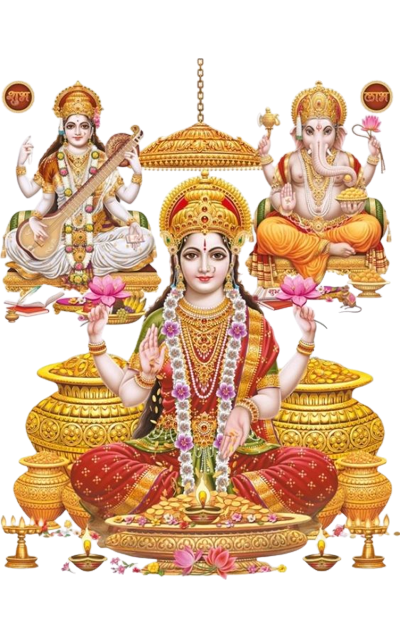
Diwali, the festival of lights, is the most widely celebrated festival across India and among Hindus worldwide. At its heart lies the worship of Maa Lakshmi, the goddess of wealth, prosperity and auspiciousness, along with Lord Ganesha, the remover of obstacles and giver of wisdom. On this night, devotees light rows of diyas, decorate their homes with rangoli, and perform Lakshmi Puja with deep devotion, inviting the goddess to reside in their homes for the coming year.
The word Diwali comes from "Deepavali," meaning a row of lights. It falls on Amavasya, the darkest night of the Kartik month, symbolizing the eternal truth that light always triumphs over darkness, and good over evil.
The Katha of Diwali: Why We Worship Lakshmi
There are several sacred stories associated with Diwali, and all of them converge on this one night of light and abundance.
The most popular katha tells us that on this very day, Lord Rama returned to Ayodhya after fourteen years of exile, having defeated the demon king Ravana and rescued Mata Sita. The people of Ayodhya, overjoyed at the return of their beloved prince, lit rows of earthen lamps throughout the city to welcome him home. Since Lord Rama is considered an incarnation of Lord Vishnu, and Mata Sita is regarded as a form of Lakshmi herself, this homecoming is remembered as the return of dharma and prosperity to the land.
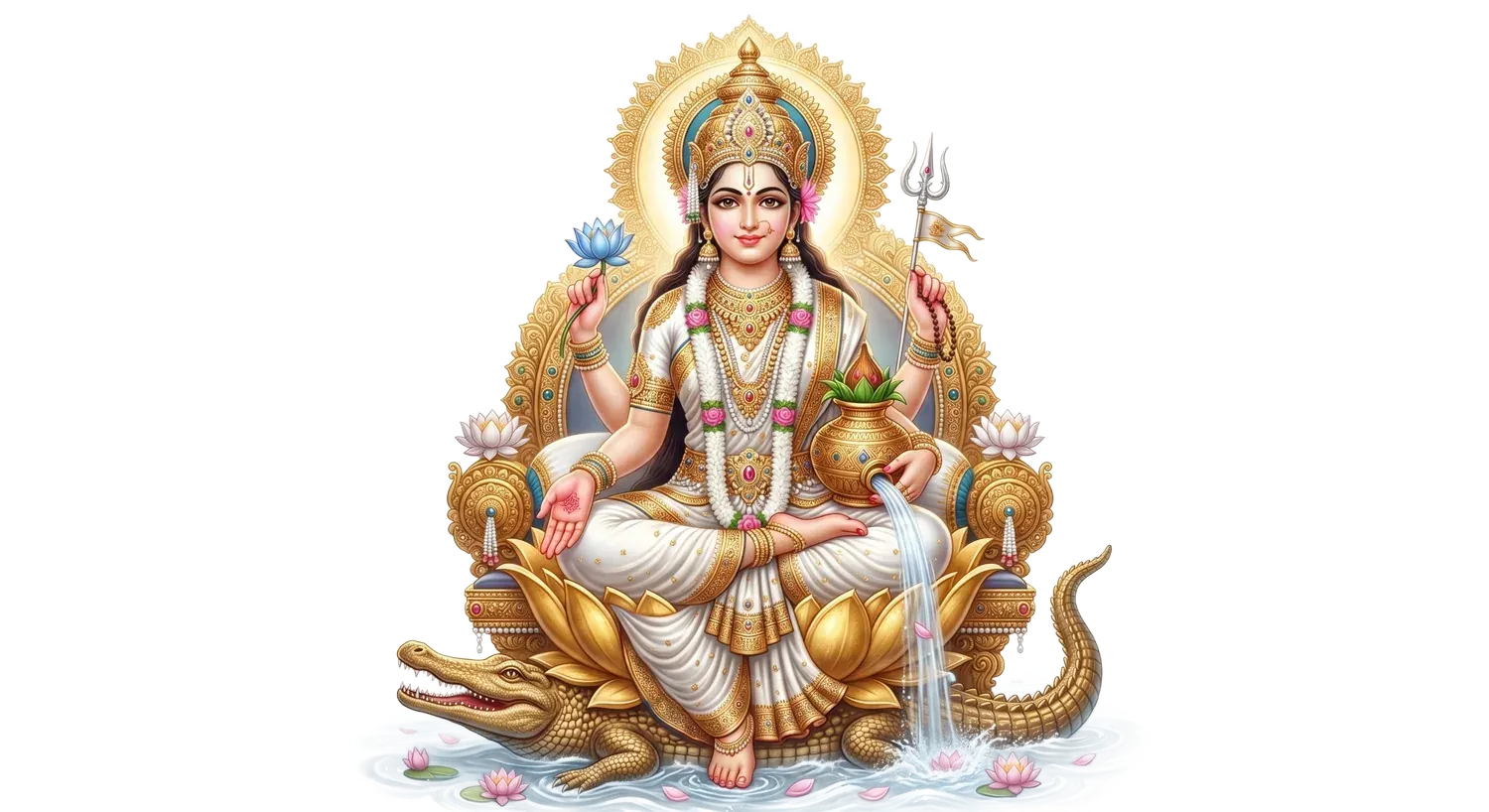
Another ancient katha connects Diwali to the great Samudra Manthan, the churning of the cosmic ocean by the Devas and Asuras. During this churning, many divine treasures emerged, and on the night of Kartik Amavasya, Goddess Lakshmi herself rose from the ocean, seated upon a lotus, radiant and glowing with divine light. It is believed that on this night every year, Lakshmi wanders the earth, visiting homes that are clean, well-lit, and filled with devotion, choosing to bless those households with her presence for the entire year.
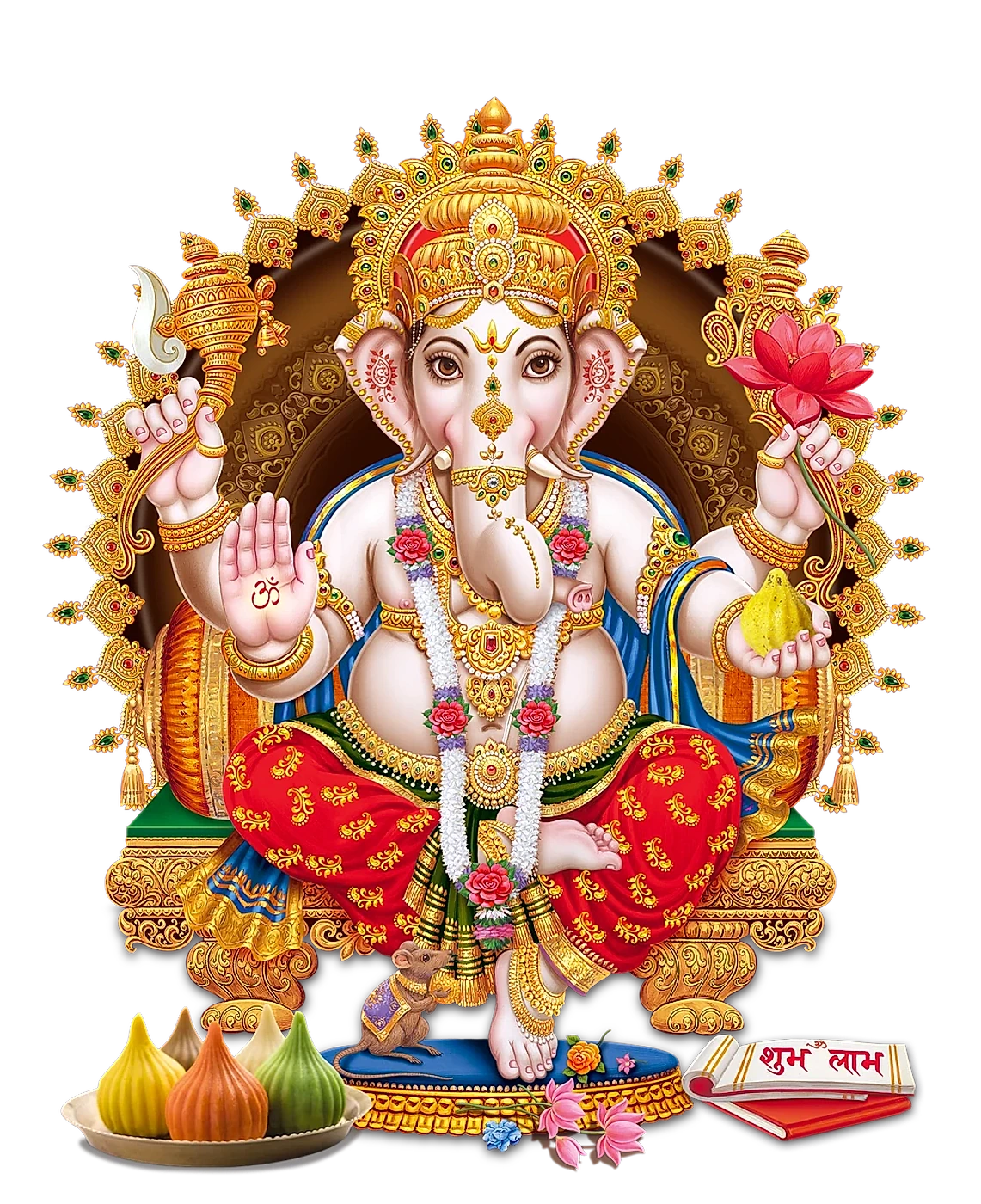
A third story reminds us why Lord Ganesha is worshipped alongside Lakshmi. It is said that Mata Lakshmi once asked Lord Vishnu who among her devotees was the most sincere. Testing the world's households, she found that wherever people worshipped wealth without wisdom and righteousness, their prosperity did not last. She then decided that she would only enter homes where Lord Ganesha, the deity of wisdom and auspicious beginnings, was worshipped together with her. This is why, to this day, no Lakshmi Puja is considered complete without invoking Ganesha first.
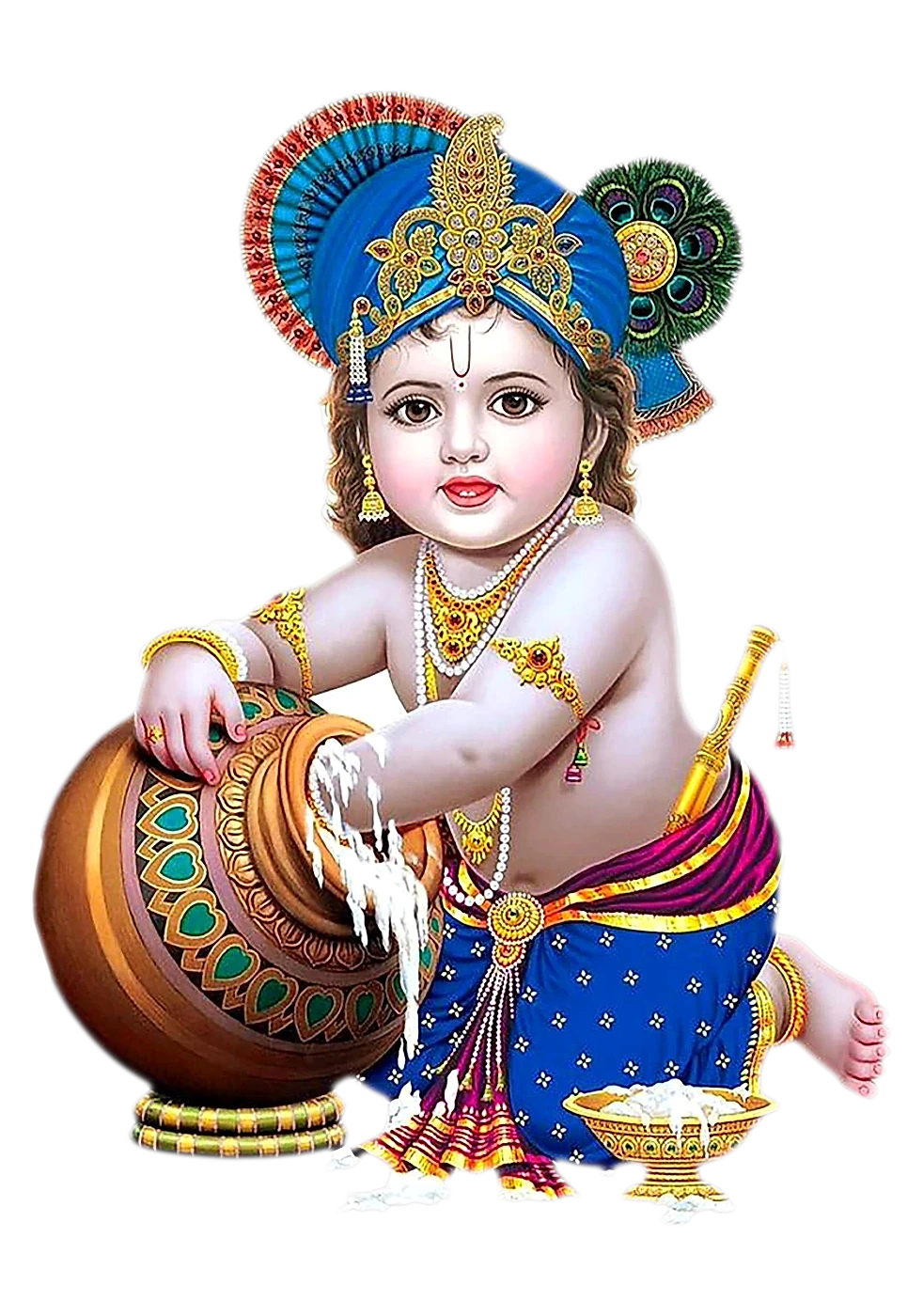
It is also remembered that on this day, Lord Krishna defeated the demon Narakasura and freed sixteen thousand captive women, restoring their honour and dignity. The day before Diwali, known as Naraka Chaturdashi or Choti Diwali, commemorates this victory of righteousness over cruelty.
Diwali Lakshmi Puja Vidhi
Preparation:
Begin by thoroughly cleaning the entire house, as Lakshmi is believed to avoid homes that are dirty or cluttered. Decorate the entrance with rangoli and mango leaf torans, and place diyas along windowsills, doorways and the puja area to welcome the goddess with light.
Samagri needed: an idol or picture of Lakshmi and Ganesha, a kalash filled with water, mango leaves, a coconut, roli, chawal (rice), sindoor, flowers, sweets (especially kheer or laddoo), betel leaves and nuts, cotton wicks, ghee or oil for diyas, incense sticks, a small amount of gold or silver coin or jewellery if available, and fresh fruits.
Muhurat: The auspicious Pradosh Kaal, shortly after sunset, is considered the most favourable time for Lakshmi Puja, particularly during the fixed Sthir Lagna period of that evening.
Step by step vidhi:
Begin by taking a sankalp, resolving in your heart and with folded hands your intention to worship Lakshmi-Ganesha for the wellbeing and prosperity of your family.
Place a red or yellow cloth on a raised platform and set the murtis of Ganesha and Lakshmi upon it, along with Kubera, the treasurer of the gods, if available.
Install the kalash near the idols, filled with water, topped with mango leaves and a coconut wrapped in a red cloth.
Invoke Lord Ganesha first with roli, chawal, flowers and a diya, offering him modak or laddoo, and chanting Om Gan Ganpataye Namah.
Then invoke Maa Lakshmi with the same offerings, applying tilak, offering flowers, chawal and sweets, and lighting a ghee diya before her, chanting Om Shreem Mahalakshmiyei Namah.
Significance and Benefits
Diwali Lakshmi Puja is believed to bring financial stability, remove obstacles from business and career, strengthen family bonds, and invite positivity and auspiciousness into the home for the entire year ahead. It is also a time of reflection, gratitude, and renewal, as devotees begin new account books, new ventures, and new resolutions on this sacred night.
This is a matter of faith and tradition, meant to bring peace, devotion and positivity, and is not a substitute for sound financial planning or professional advice.
Quick guide
Before you begin
Mantra
Lakshmi mantra
Om Shreem Mahalakshmyai Namah
Chant on Friday or during Lakshmi puja for prosperity, grace, and sattvic abundance.
Bhav
Benefits devotees pray for
FAQ
Common questions
Why is Lord Ganesha worshipped along with Lakshmi on Diwali?
Ganesha represents wisdom and auspicious beginnings; tradition holds that Lakshmi only stays where wealth is guided by wisdom, so both are invoked together for lasting prosperity.
What is the best time for Lakshmi Puja on Diwali?
The Pradosh Kaal, shortly after sunset, especially during the Sthir Lagna window of that evening, is considered the most auspicious time.
What should be offered to Maa Lakshmi during the puja?
Flowers, rice, sindoor, sweets like kheer or laddoo, betel leaves, a coconut, and a lit ghee diya are traditionally offered with devotion.
Is it necessary to light diyas throughout the house?
Yes, lighting diyas at every entrance and window symbolizes dispelling darkness and inviting Lakshmi's light and blessings into every corner of the home.
Seek Maa Lakshmi's Blessings This Diwali
Book an authentic Lakshmi-Ganesh Puja performed by expert pandits, and let the divine light of Diwali bring prosperity to your home.