

 धन्वंतरि जयंती
The complete Dhanteras story of King Hima's son, the puja vidhi for Kuber, Goddess Lakshmi and Dhanvantari, and the traditions that mark the start of Diwali festivities.
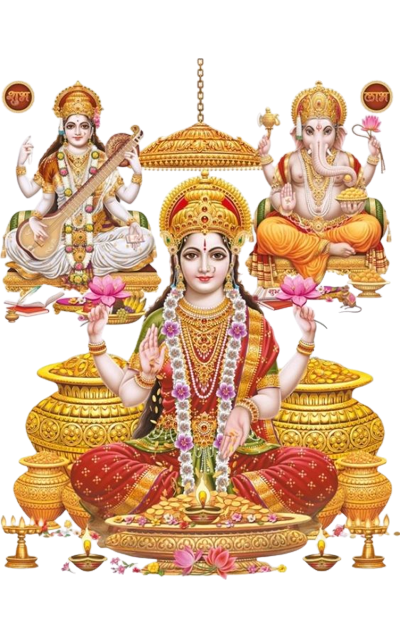
Dhanteras, also called Dhantrayodashi or Dhanvantari Trayodashi, is observed on the Trayodashi (thirteenth day) of the Krishna Paksha of the Kartik month, marking the beginning of the five-day Diwali festival. This day is dedicated to Lord Kuber, the treasurer of the gods and deity of wealth, to Goddess Lakshmi, the goddess of prosperity, and to Lord Dhanvantari, the divine physician and an avatar of Lord Vishnu who is worshipped as the god of health and Ayurveda. On this day, devotees clean and decorate their homes, light lamps, and purchase new utensils, gold, silver or other auspicious items, believing this invites wealth and prosperity into the household for the coming year.
The Vrat Katha of Dhanteras
There lived a king named Hima who was blessed with a son after many years of prayer and penance. When the astrologers cast the child's horoscope, they made a grave prediction, that the prince would die from a snakebite on the fourth day of his marriage. The king and queen were deeply distressed by this prophecy, but as the prince grew, he married a beautiful and intelligent princess, and the wedding took place with great celebration despite the family's underlying fear.
The young bride, learning of the prophecy concerning her husband, resolved that she would not let fate take him so easily. On the fourth night after their marriage, the very night the prophecy foretold, she did not allow her husband to sleep. She gathered together all her gold and silver ornaments and coins, and piled them up in a great heap at the entrance to their chamber. She lit innumerable lamps all around the room and at the doorway, illuminating the entire space brightly. Then, to keep her husband awake through the night, she sang songs, told stories and recited tales, engaging him fully so that sleep would not overcome him.
At the appointed hour of death, Yamraj, the god of death, arrived at their door in the form of a serpent to claim the prince's life as decreed. The dazzling brilliance of the heaped gold and silver ornaments and the countless burning lamps blinded the serpent's eyes so severely that it could not find its way inside the chamber. Unable to enter and complete its task, the serpent climbed instead onto the pile of glittering ornaments and coins and sat there, mesmerized by the light reflecting off the gold, listening to the sweet songs and stories the princess sang through the night. In this way, the entire night passed and dawn arrived without the serpent ever reaching the sleeping prince, and Yamraj himself, moved by the devotion and cleverness of the young bride, silently withdrew, sparing the prince's life.
When morning came and the prince awoke unharmed, the whole kingdom rejoiced, understanding that the bride's wit, devotion and the light of the lamps had defeated death itself. From that day, it became a tradition to light lamps through the night of Dhanteras and to keep them burning until Yam Panchami, and to worship Yamraj with a lamp placed at the main door facing south, called Yama Deepam, so that no member of the family suffers an untimely or accidental death. This same night is also connected with the emergence of Lord Dhanvantari, who is said to have arisen from the churning of the ocean (Samudra Manthan) carrying a pot of amrita, the nectar of immortality, and also with Goddess Lakshmi, who emerged from the same churning bearing wealth and prosperity for the world; hence Dhanteras came to combine the worship of Kuber, Lakshmi and Dhanvantari together, celebrating wealth, health and long life on a single sacred night.
Puja Vidhi (Method of Worship)
On Dhanteras, homes are cleaned thoroughly in the days leading up to the festival, and rangoli is drawn at the entrance along with small footprints of Goddess Lakshmi leading into the house, symbolizing her welcome. In the evening, the following puja is performed.
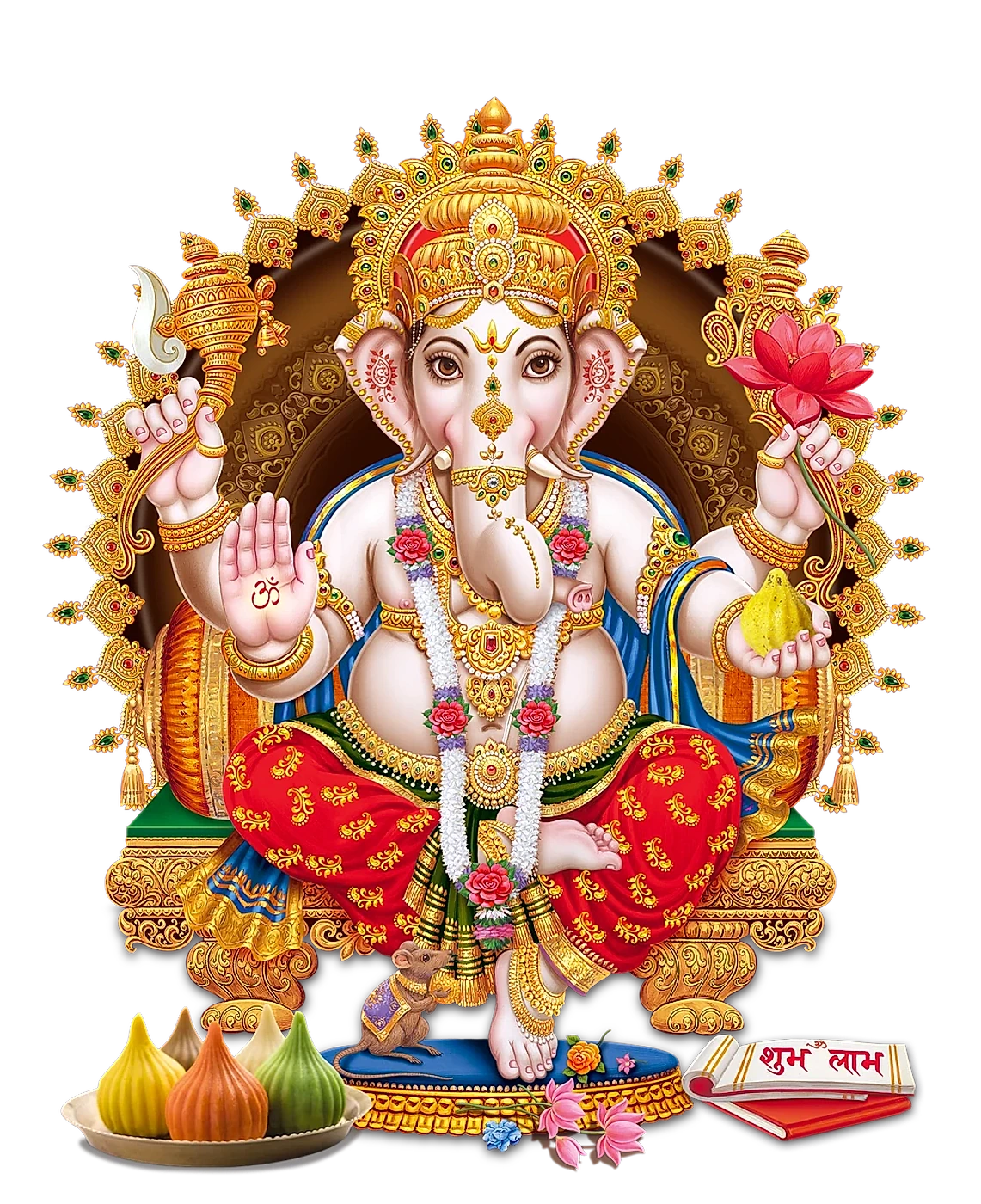
A clean place is prepared with a red or yellow cloth, and idols or pictures of Goddess Lakshmi, Lord Ganesh and Lord Kuber are placed together, along with a picture or idol of Lord Dhanvantari if available.
Newly purchased utensils, jewellery or coins are washed and placed before the deities to be sanctified.
Deities are offered akshat, roli, flowers, sweets and a lit diya of ghee.
Lord Kuber is offered white sweets and worshipped for financial stability, while Dhanvantari is invoked for good health for the entire family.
In the evening or night, a diya is lit with mustard oil and placed at the main entrance of the house, facing south, as an offering to Yamraj, in remembrance of the katha, praying for protection from untimely death and accidents.
Thirteen diyas are traditionally lit around the house on this night, symbolizing the thirteen years of penance believed to remove all forms of daridra (poverty) from the household.
Significance and Benefits
Dhanteras marks the beginning of the Diwali celebrations and is considered highly auspicious for new beginnings, particularly related to wealth, health and prosperity. Buying gold, silver, utensils or even small items like brooms, symbolizing the sweeping away of poverty and negativity, is considered to bring good fortune for the year ahead. The worship of Dhanvantari on this day, which is also celebrated nationally as National Ayurveda Day, reminds devotees of the importance of good health as the true foundation of wealth. The lighting of the Yama Deepam is a unique tradition of protection observed on no other day of the year, reflecting the deep devotional wisdom of the young bride's story.
Do's and Don'ts
It is auspicious to clean and declutter the home before Dhanteras, keeping the main door and entrance especially tidy to welcome Lakshmi ji. New purchases, however small, should ideally be made on this day. One should avoid arguments, lending or borrowing money, and negative talk. Lamps should be kept burning through the night wherever possible, and the Yama Deepam at the south-facing entrance should not be neglected, as it is central to the protective meaning of this vrat.
Frequently Asked Questions
Why is buying gold or utensils considered auspicious on Dhanteras? The tradition stems from the belief that new metal objects, especially gold and silver, invite the blessings of Kuber and Lakshmi into the home and multiply prosperity through the coming year.
What is Yama Deepam and why is it lit? Yama Deepam is a lamp lit with mustard oil at the south-facing main entrance on the night of Dhanteras, offered to Yamraj in memory of the katha of King Hima's son, to protect the family from untimely death and accidents.
Why is Lord Dhanvantari worshipped on this day? Dhanteras is also Dhanvantari Jayanti, marking the day Lord Dhanvantari, the divine physician, is believed to have appeared during the Samudra Manthan, and he is worshipped for the good health of the family, since health is considered the truest form of wealth.
Is Dhanteras the same day Diwali begins? Yes, Dhanteras is the first of the five days of the Diwali festival, followed by Naraka Chaturdashi (Choti Diwali), Diwali (Lakshmi Puja), Govardhan Puja and Bhai Dooj.
Quick guide
Before you begin
Mantra
Lakshmi mantra
Om Shreem Mahalakshmyai Namah
Chant on Friday or during Lakshmi puja for prosperity, grace, and sattvic abundance.
Bhav
Benefits devotees pray for
FAQ
Common questions
Why is buying gold or utensils considered auspicious on Dhanteras?
New metal objects invite the blessings of Kuber and Lakshmi into the home and are believed to multiply prosperity.
What is Yama Deepam and why is it lit?
A lamp lit at the south-facing entrance on Dhanteras night, offered to Yamraj for protection from untimely death, recalling the katha of King Hima's son.
Why is Lord Dhanvantari worshipped on this day?
Dhanteras is Dhanvantari Jayanti; he is worshipped for the good health of the family, as health is considered the truest wealth.
Is Dhanteras the first day of Diwali?
Yes, it is the first of the five days of Diwali, followed by Choti Diwali, Diwali, Govardhan Puja and Bhai Dooj.
Invite Prosperity and Health This Dhanteras
Book a Kuber-Lakshmi-Dhanvantari Puja performed with complete vidhi for wealth, health and family protection.