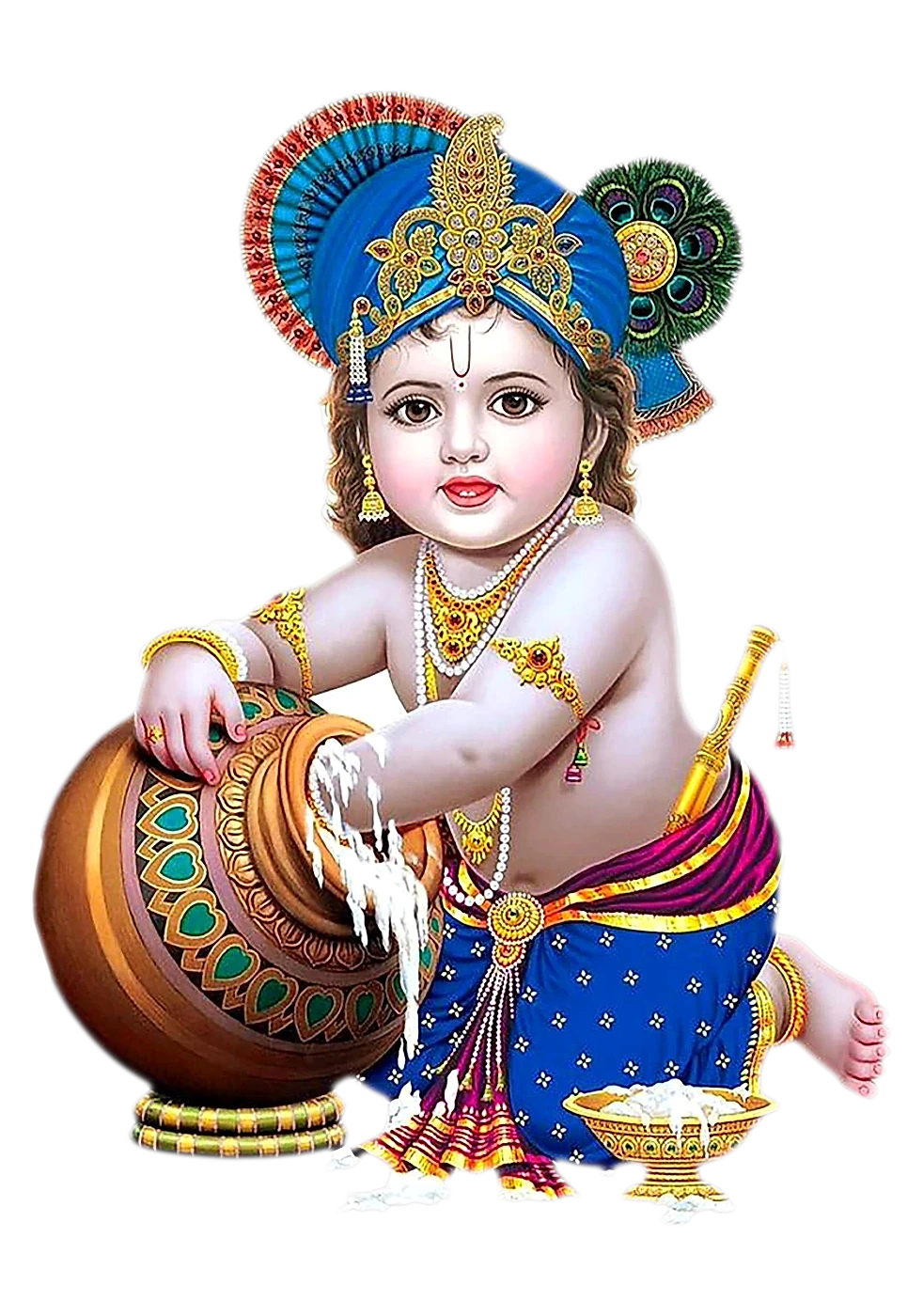

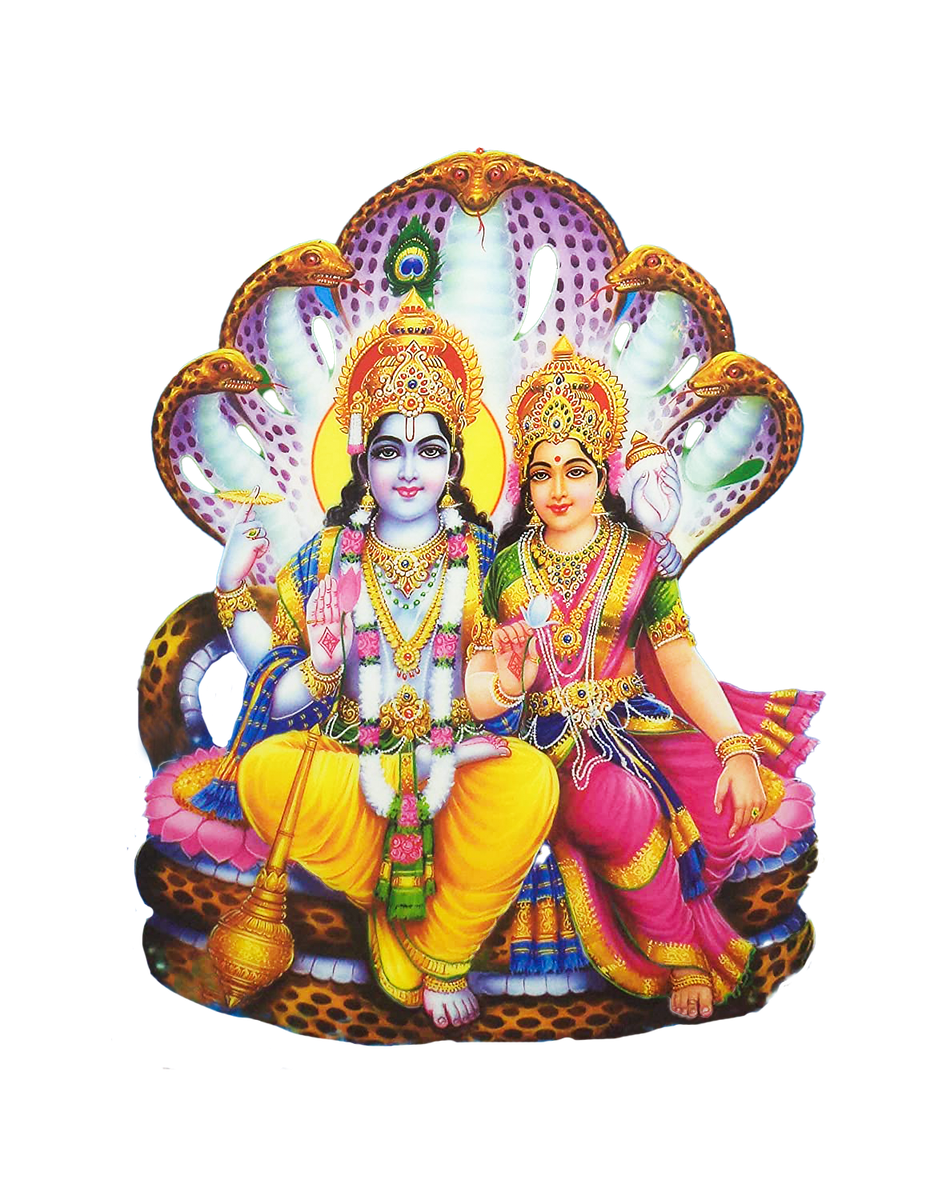
 हरि जागो, शुभ कार्य आरंभ
The sacred story of how Lord Vishnu awakens from his four-month yogic sleep on Dev Uthani Ekadashi, marking the start of all auspicious ceremonies.
Dev Uthani Ekadashi, also known as Prabodhini Ekadashi, falls on the eleventh day (Ekadashi) of the bright fortnight (Shukla Paksha) of the Hindu month of Kartik. It marks the day when Lord Vishnu is believed to wake up from his four-month yogic sleep (Chaturmas) that began on Devshayani Ekadashi in the month of Ashadh. With the Lord's awakening, all auspicious ceremonies, weddings and new beginnings that were paused during Chaturmas resume once again. This is why the day is celebrated with such joy across Hindu households.
The Story of Lord Vishnu's Yogic Sleep
According to the Puranas, at the end of the Satya Yuga, a great war took place between the Devas and the demon king Shankhachud, who was extremely powerful due to a boon he had received. Unable to defeat him through ordinary means, Lord Vishnu had to resort to a divine strategy. Shankhachud's power was tied to the chastity of his wife, Tulsi (also called Vrinda), who was a supremely devoted and virtuous woman. As long as her chastity remained unbroken, no one could kill Shankhachud.
Lord Vishnu, taking the form of Shankhachud himself, went to Vrinda and stayed with her, thereby breaking her vow of chastity without her knowledge. This allowed the Devas to defeat and kill Shankhachud on the battlefield. When Vrinda discovered the deception, she was devastated and cursed Lord Vishnu to turn to stone, and he became the Shaligram. Realising her intense devotion and purity, Vishnu blessed her that she would be worshipped forever as the Tulsi plant, and that no puja would be considered complete without her leaves. He also promised that he himself would marry her every year in the form of Shaligram, and this divine union came to be celebrated as the Tulsi Vivah, performed a day or two after Dev Uthani Ekadashi.
Why Lord Vishnu Sleeps for Four Months
Another popular legend narrates that King Bali, a devout devotee of Lord Vishnu, had conquered the three worlds through his power and generosity. To restore balance and protect the Devas, Lord Vishnu took the Vamana avatar and, in the guise of a dwarf Brahmin, asked Bali for three paces of land as alms. Bali agreed, and Vishnu then grew to a colossal size, covering the earth with one step and the heavens with the second. For the third step, Bali humbly offered his own head, showing his boundless devotion.
Pleased by Bali's surrender and devotion, Vishnu did not send him to the netherworld in humiliation but instead granted him sovereignty over Patal Loka (the nether world) and promised to personally guard his kingdom. To honour this promise and to bless Bali's devotion, Vishnu is said to reside in Patal Loka for four months of the monsoon season (Chaturmas), which devotees interpret symbolically as a period of yogic rest (Yoga Nidra). He returns to Vaikuntha and resumes his cosmic duties on Prabodhini Ekadashi, hence the name "Dev Uthani" — the awakening of the Lord.
The Vrat Katha Told to Devotees
There was once a poor Brahmin named Somsharma who lived a devout life but was extremely poor. Despite his hardships, he observed every Ekadashi fast with full faith, including Dev Uthani Ekadashi, praying earnestly to Lord Vishnu. One year, unable to bear the hunger of continuous fasting properly since he had no food even for the simplest meal, he still refused to break his resolve and completed the vrat with total devotion, staying awake the whole night in bhajan and kirtan of the Lord.
Pleased with his unwavering faith despite such poverty, Lord Vishnu appeared in his dream and blessed him with prosperity, health and a life free from want. From that day, Somsharma's fortunes changed, and his family flourished. This story is narrated to devotees to remind them that the Lord notices sincerity and devotion far more than material offerings, and that even the poorest devotee who observes this vrat with a pure heart receives Vishnu's grace.
Puja Vidhi (Method of Worship)
Devotees wake up before sunrise and take a holy bath, then clean the house and the courtyard, especially the tulsi corner. A small mandala (rangoli) is drawn around the tulsi plant, often depicting Lord Vishnu's footprints leading from outside into the house, symbolising his entry.
A diya, sugarcane, sweets, seasonal fruits (especially amla and singhara/water chestnut), and a small idol or picture of Lord Vishnu are placed near the Tulsi plant. Devotees light a lamp, offer these items, and recite this prayer to wake the Lord:
उठो देव, बैठो देव, अंगड़ाई लो देव पग पग चंदन, गोरी गावे मंगल गीत जागो देव जागो
The family blows a conch, rings bells, and creates auspicious sounds to symbolically wake the Lord from his slumber. The Vishnu Sahastranama or Vishnu Chalisa is recited, and an aarti is performed. Many devotees keep a fast throughout the day, taking only fruits or a single satvik meal (phalahar), and break the fast the next morning after worship.
Tulsi Vivah
In many parts of India, the sacred marriage of Tulsi with Shaligram (a form of Vishnu) is performed either on the same day or a day or two after Dev Uthani Ekadashi. This ceremony is conducted with all the rituals of a traditional Hindu wedding — a mandap is decorated, wedding songs are sung, and the couple is joined with a garland and cloth, just as in a human marriage. Tulsi Vivah is considered extremely auspicious, and performing or even witnessing it is believed to bestow the merit equal to giving a daughter in marriage (kanyadaan).
Significance and Benefits
Dev Uthani Ekadashi marks the end of the Chaturmas period, during which weddings, housewarmings, and other major auspicious ceremonies are traditionally avoided. From this day onward, the wedding season formally begins in most parts of North India, and families start planning marriages, mundan, griha pravesh and other significant life events.
Observing this vrat is believed to cleanse past sins, bring prosperity, restore harmony in married life, and open the doors to auspicious new beginnings. It is also considered one of the most powerful days to seek Lord Vishnu's blessings for both spiritual upliftment and worldly well-being.
Vrat Niyam (Fasting Rules)
Devotees observing this Ekadashi avoid grains, rice, and certain vegetables like onion and garlic. Many keep a complete nirjala (waterless) or phalahar (fruit-only) fast. It is customary to remain awake the night before, singing bhajans and kirtans in honour of the Lord's awakening — this vigil is called "Jagran." The fast is broken the next day, Dwadashi, after formal worship, usually with a meal shared with family and, where possible, feeding a Brahmin or the needy.
Conclusion
Dev Uthani Ekadashi is not merely a ritual of waking an idol from sleep; it is a profound reminder that after every period of rest, reflection and inward focus, there comes a season of action, celebration and new beginnings. Just as Lord Vishnu awakens to resume the cosmic order, this day inspires devotees to rise from lethargy, renew their faith, and step forward into life's auspicious undertakings with devotion and gratitude.
Quick guide
Before you begin
Mantra
Vishnu mantra
Om Namo Bhagavate Vasudevaya
Chant before katha or aarti while praying for protection, dharma, and peace.
Bhav
Benefits devotees pray for
FAQ
Common questions
Why is Dev Uthani Ekadashi celebrated?
It marks the day Lord Vishnu awakens from his four-month yogic sleep (Chaturmas), after which all auspicious ceremonies like weddings resume.
What is the connection between Tulsi Vivah and this Ekadashi?
Tulsi Vivah, the divine marriage of Tulsi with Shaligram (Vishnu), is performed on or shortly after this day, commemorating Vishnu's promise to Vrinda.
Can this fast be kept only with fruits?
Yes, most devotees observe a phalahar (fruit-only) or nirjala fast, avoiding grains and certain vegetables, and break it the next day after worship.
Why does the wedding season start after this day?
Since Chaturmas (a period considered inauspicious for major ceremonies) ends with Vishnu's awakening, weddings and other mangal karya formally resume from this date.
Seek Lord Vishnu's Blessings This Dev Uthani Ekadashi
Book a puja for prosperity, marital harmony and auspicious new beginnings, performed with complete Vedic vidhi.