



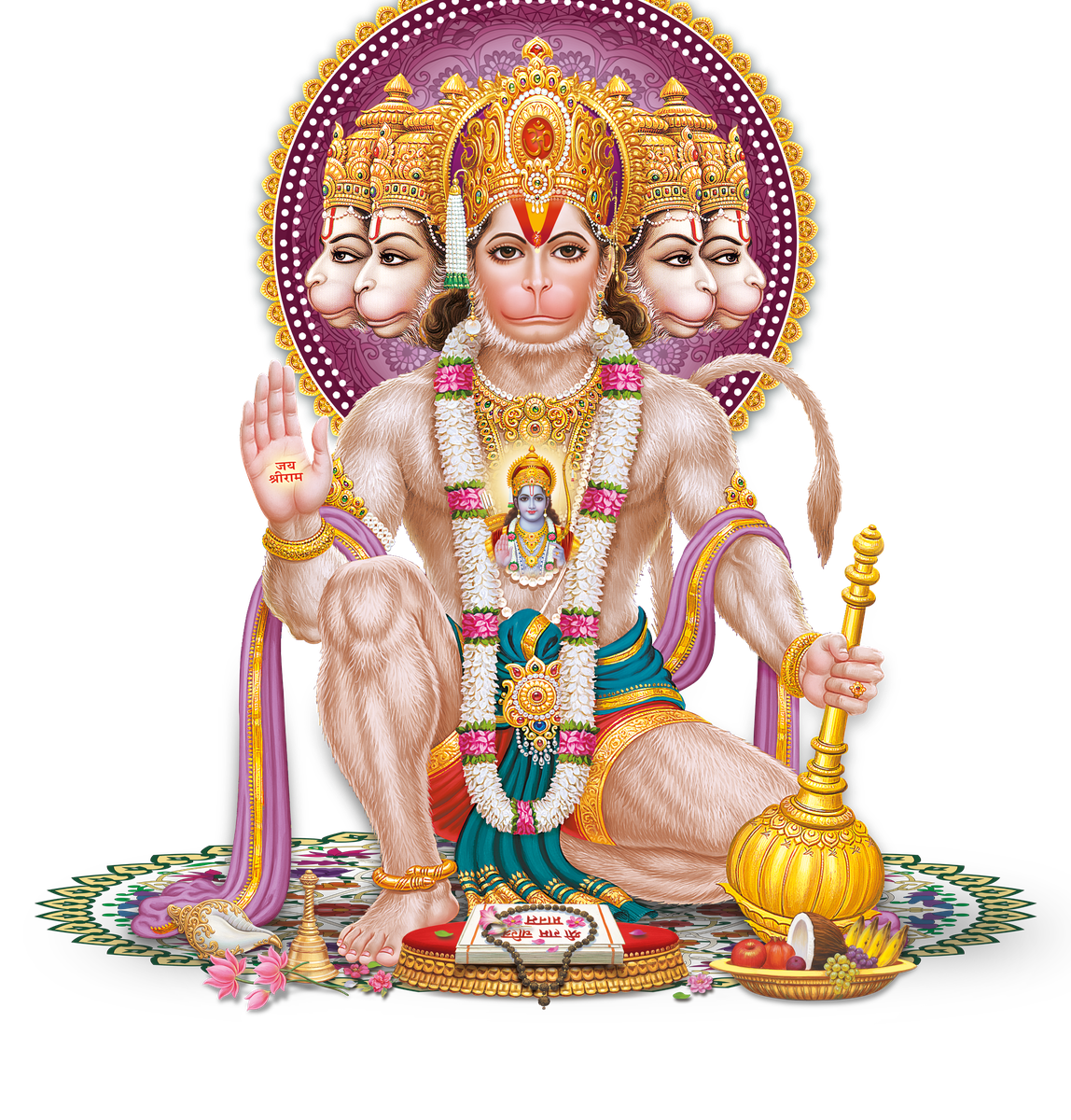
 जय हनुमान ज्ञान गुन सागर
The complete Hanuman Chalisa in Devanagari with meaning, benefits and the correct method of daily chanting.
Complete Hanuman Chalisa (Devanagari)
Doha
Shri Guru charan saroj raj, nij manu mukuru sudhari. Baranau Raghubar bimal jasu, jo dayaku phal chari.
Buddhiheen tanu janike, sumirau Pavan-kumar. Bal buddhi bidya dehu mohi, harahu kalesh bikar.
Chaupai
Jai Hanuman gyan gun sagar. Jai Kapis tihun lok ujagar.
Ram doot atulit bal dhama. Anjani-putra Pavansut nama.
Mahabir bikram bajrangi. Kumati nivar sumati ke sangi.
Kanchan baran biraj subesa. Kanan kundal kunchit kesa.
Hath bajra au dhwaja biraje. Kandhe moonj janeu saje.
Sankar suvan Kesarinandan. Tej pratap maha jag bandan.
Bidyavan guni ati chatur. Ram kaj karibe ko atur.
Prabhu charitra sunibe ko rasiya. Ram Lakhan Sita man basiya.
Sukshma roop dhari Siyahin dikhava. Bikat roop dhari Lank jarava.
Bhim roop dhari asur sanhare. Ramchandra ke kaj sanvare.
Lay sanjivan Lakhan jiyaye. Shri Raghubir harashi ur laye.
Raghupati kinhi bahut badai. Tum mam priya Bharatahi sam bhai.
Sahas badan tumharo jas gavai. As kahi Shripati kanth lagavai.
Sankadik Brahmadi munisa. Narad Sarad sahit Ahisa.
Jam Kuber digpal jahan te. Kabi kobid kahi sake kahan te.
Tum upkar Sugrivahin kinha. Ram milay raj pad dinha.
Tumharo mantra Bibhishan mana. Lankeswar bhaye sab jag jana.
Jug sahastra jojan par Bhanu. Lilyo tahi madhur phal janu.
Prabhu mudrika meli mukh mahin. Jaladhi langhi gaye achraj nahin.
Durgam kaj jagat ke jete. Sugam anugrah tumhare tete.
Ram duware tum rakhavare. Hot na agya binu paisare.
Sab sukh lahai tumhari sarna. Tum rakshak kahu ko dar na.
Aapan tej samharo aape. Teenon lok hank te kanpe.
Bhoot pisach nikat nahi aavai. Mahabir jab naam sunavai.
Nase rog harai sab pira. Japat nirantar Hanumat bira.
Sankat te Hanuman chudavai. Man kram bachan dhyan jo lavai.
Sab par Ram tapasvi raja. Tin ke kaj sakal tum saja.
Aur manorath jo koi lavai. Soi amit jivan phal pavai.
Charon jug paratap tumhara. Hai parsiddha jagat ujiyara.
Sadhu sant ke tum rakhavare. Asur nikandan Ram dulare.
Ashta siddhi nau nidhi ke data. As bar dinh Janaki mata.
Ram rasayan tumhare pasa. Sada raho Raghupati ke dasa.
Tumhare bhajan Ram ko pavai. Janam janam ke dukh bisravai.
Antkal Raghubar pur jai. Jahan janam Haribhakt kahai.
Aur devata chitt na dharai. Hanumat sei sarb sukh karai.
Sankat katai mitai sab pira. Jo sumirai Hanumat balbira.
Jai jai jai Hanuman gosain. Kripa karahu gurudev ki nai.
Jo sat bar path kar koi. Chhutahi bandi maha sukh hoi.
Jo yah padhai Hanuman Chalisa. Hoy siddhi sakhi Gaurisa.
Tulsidas sada Hari chera. Kije nath hriday mah dera.
Doha
Pavantanay sankat haran, mangal murati roop. Ram Lakhan Sita sahit, hriday basahu sur bhoop.
Meaning
The opening doha describes how Goswami Tulsidas, cleansing the mirror of his mind with the dust of his Guru's lotus feet, sets out to describe the pure glory of Shri Ram, a glory that bestows all four fruits of life — dharma, artha, kama and moksha. Knowing himself to be without wisdom, he remembers Hanuman, the son of the wind-god, and prays for strength, intellect and knowledge so that all afflictions and flaws may be removed.
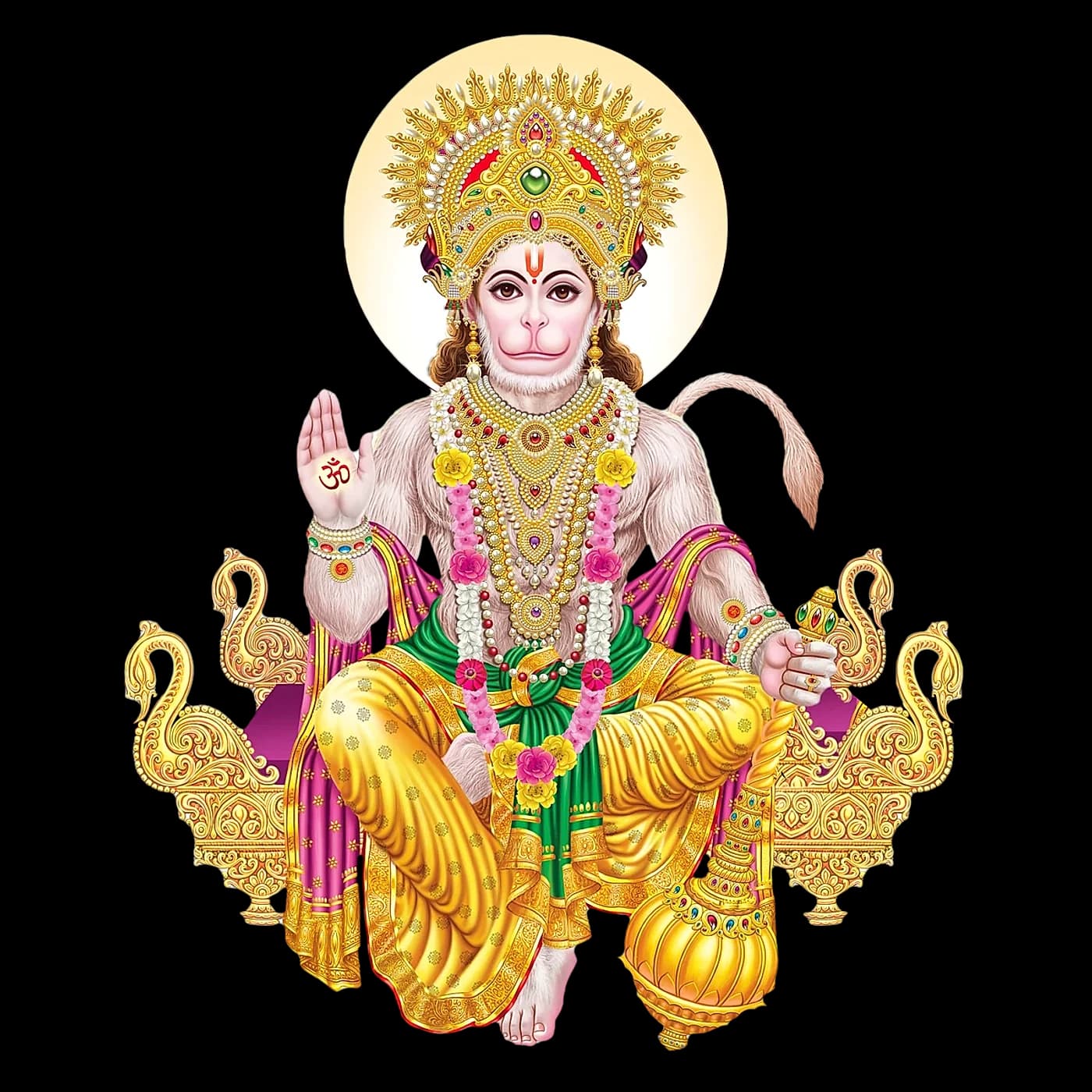
The early verses praise Hanuman as an ocean of wisdom and virtue, renowned as king of the monkeys across the three worlds, an abode of matchless strength, son of Anjani and the wind-god Pavan. His radiant golden form, fine garments, earrings, curly hair, mace and banner, and the sacred thread across his shoulder are described with reverence. He is called the son of Kesari and an incarnation of Shiva's own valour.
The middle verses celebrate his learning, cleverness and eagerness to serve in Ram's work. He took a subtle form to appear before Sita in Ashoka Vatika, a fearsome form to burn Lanka, a mighty form to destroy demons, and brought the Sanjivani herb to revive Lakshman, for which Ram embraced him warmly, calling him as dear as his own brother Bharat.
Further verses recount how Hanuman helped Sugriva regain his kingdom and how, on his counsel, Vibhishan was accepted and later crowned king of Lanka. His childhood feat of swallowing the sun mistaking it for a fruit, and his leap across the ocean carrying Ram's ring, are recalled as wonders no one else could achieve. Every difficult task in the world becomes easy through his grace — he stands guard at Ram's door, and none can enter without his leave; all who take his refuge attain happiness and fear nothing.
Benefits of Reciting Hanuman Chalisa
Protects from fear, obstacles and negative energies. Builds mental strength, confidence and courage. Brings relief from Shani-related difficulties, illness and hurdles. Improves focus, wisdom and success in undertakings.
How and When to Chant
Bathe in the morning, or sit calmly in the evening, on a clean seat before an image of Hanuman with a lamp and incense lit. Tuesdays and Saturdays are considered especially auspicious, though daily recitation is best of all. Fold your hands, recite the opening doha, then all forty chaupais and the closing doha with clear, correct pronunciation. One recitation daily is enough for regular practice; in times of special need or difficulty, seven, eleven or even a hundred repetitions may be done. Keep the mind calm, wear clean clothes, and maintain a sattvic lifestyle during this period, avoiding meat and alcohol.
Dos and Don'ts
Wash your hands and face before beginning, and approach the recitation with a pure heart. Avoid rushing through the words or mispronouncing them. Men, women, children and elders may all recite it with devotion. Keep phones and distractions away during the path and maintain full concentration.
Mahatmya (Glory)
Composed by Goswami Tulsidas in the Awadhi language, the Hanuman Chalisa is among the most widely recited hymns in India. It is believed that regular recitation brings Hanuman's constant presence and protection into the devotee's life, shielding them through every difficulty.
Frequently Asked Questions
Question: What is the best time to recite the Hanuman Chalisa? Answer: Early morning after a bath or in the evening is considered ideal, though it can be recited at any time with sincere devotion.
Question: Can women recite the Hanuman Chalisa? Answer: Yes, all devotees — men and women alike — may recite it with a pure heart and devotion.
Question: How many times should it be recited daily? Answer: One recitation daily is sufficient for regular practice; seven or eleven repetitions are common during times of difficulty.
Question: What are the benefits of reciting the Hanuman Chalisa? Answer: It grants protection from fear and obstacles, builds mental strength and courage, and fills the mind with positive energy.
Original Text
Verses & Meaning
श्रीगुरु चरन सरोज रज, निज मनु मुकुरु सुधारि। बरनउँ रघुबर बिमल जसु, जो दायकु फल चारि॥
śrīguru charana saroja raja, nija manu mukuru sudhāri · baranaũ raghubara bimala jasu, jo dāyaku phala chāri
Cleansing the mirror of my mind with the dust of my Guru’s lotus feet, I sing the pure glory of Shri Raghubar (Rama), giver of the four fruits of life.
बुद्धिहीन तनु जानिके, सुमिरौं पवन कुमार। बल बुधि बिद्या देहु मोहिं, हरहु कलेस बिकार॥
buddhihīna tanu jānike, sumirаũ pavana kumāra · bala budhi bidyā dehu mohĩ, harahu kalesa bikāra
Knowing my body to be without wit, I remember you, Son of the Wind. Grant me strength, intelligence and knowledge, and remove my afflictions and impurities.
जय हनुमान ज्ञान गुन सागर। जय कपीस तिहुँ लोक उजागर॥
jaya hanumāna gyāna guna sāgara · jaya kapīsa tihũ loka ujāgara
Victory to Hanuman, ocean of wisdom and virtue! Victory to the Lord of monkeys, who illumines all three worlds.
राम दूत अतुलित बल धामा। अंजनि पुत्र पवनसुत नामा॥
rāma dūta atulita bala dhāmā · anjani putra pavanasuta nāmā
You are Rama’s messenger, the abode of matchless strength, known as the son of Anjani and the son of the Wind.
महाबीर बिक्रम बजरंगी। कुमति निवार सुमति के संगी॥
mahābīra bikrama bajarangī · kumati nivāra sumati ke sangī
O great hero of mighty valour, with a body strong as a thunderbolt — you drive away wrong thinking and befriend the wise-minded.
कंचन बरन बिराज सुबेसा। कानन कुंडल कुंचित केसा॥
kanchana barana birāja subesā · kānana kundala kunchita kesā
Golden-hued and beautifully adorned, with rings in your ears and curly locks of hair.
हाथ बज्र औ ध्वजा बिराजै। काँधे मूँज जनेऊ साजै॥
hātha bajra au dhvajā birājai · kā̃dhe mū̃ja janeū sājai
In your hands shine the thunderbolt (mace) and a banner, and a sacred thread of munja grass adorns your shoulder.
संकर सुवन केसरीनंदन। तेज प्रताप महा जग बंदन॥
sankara suvana kesarīnandana · teja pratāpa mahā jaga bandana
O son of Shankara (in his Rudra aspect), delight of Kesari — your radiance and glory are great and honoured by the whole world.
बिद्यावान गुनी अति चातुर। राम काज करिबे को आतुर॥
bidyāvāna gunī ati chātura · rāma kāja karibe ko ātura
You are learned, virtuous and exceedingly clever, ever eager to do the work of Rama.
प्रभु चरित्र सुनिबे को रसिया। राम लखन सीता मन बसिया॥
prabhu charitra sunibe ko rasiyā · rāma lakhana sītā mana basiyā
You delight in hearing the Lord’s deeds; Rama, Lakshmana and Sita dwell in your heart.
सूक्ष्म रूप धरि सियहिं दिखावा। बिकट रूप धरि लंक जरावा॥
sūkṣma rūpa dhari siyahĩ dikhāvā · bikaṭa rūpa dhari lanka jarāvā
Taking a tiny form you appeared before Sita, and taking a fearsome form you burned Lanka.
भीम रूप धरि असुर सँहारे। रामचंद्र के काज सँवारे॥
bhīma rūpa dhari asura sã̃hāre · rāmachandra ke kāja sã̃vāre
Assuming a mighty form you destroyed the demons and accomplished all of Ramachandra’s tasks.
लाय सजीवन लखन जियाये। श्रीरघुबीर हरषि उर लाये॥
lāya sajīvana lakhana jiyāye · śrīraghubīra haraṣi ura lāye
You brought the Sanjivani herb and revived Lakshmana; Shri Raghubir joyfully embraced you.
रघुपति कीन्ही बहुत बड़ाई। तुम मम प्रिय भरतहि सम भाई॥
raghupati kīnhī bahuta baṛāī · tuma mama priya bharatahi sama bhāī
The Lord of the Raghus praised you greatly, saying, “You are as dear to me as my brother Bharata.”
सहस बदन तुम्हरो जस गावैं। अस कहि श्रीपति कंठ लगावैं॥
sahasa badana tumharo jasa gāvaĩ · asa kahi śrīpati kaṇṭha lagāvaĩ
“The thousand-mouthed (Shesha) sings your glory” — so saying, the Lord (Rama) drew you to his bosom.
सनकादिक ब्रह्मादि मुनीसा। नारद सारद सहित अहीसा॥
sanakādika brahmādi munīsā · nārada sārada sahita ahīsā
Sanaka and the sages, Brahma and the great munis, Narada, Saraswati and Sheshanaga —
जम कुबेर दिगपाल जहाँ ते। कबि कोबिद कहि सके कहाँ ते॥
jama kubera digapāla jahā̃ te · kabi kobida kahi sake kahā̃ te
Yama, Kubera and the guardians of the quarters — how then can poets and scholars fully describe your glory?
तुम उपकार सुग्रीवहिं कीन्हा। राम मिलाय राज पद दीन्हा॥
tuma upakāra sugrīvahĩ kīnhā · rāma milāya rāja pada dīnhā
You did a great kindness to Sugriva — uniting him with Rama, you had the kingdom restored to him.
तुम्हरो मंत्र बिभीषन माना। लंकेस्वर भए सब जग जाना॥
tumharo mantra bibhīṣana mānā · lankeśvara bhae saba jaga jānā
Vibhishana heeded your counsel and became the lord of Lanka — the whole world knows this.
जुग सहस्र जोजन पर भानू। लील्यो ताहि मधुर फल जानू॥
juga sahasra jojana para bhānū · līlyo tāhi madhura phala jānū
The sun, thousands of yojanas away over the ages, you swallowed thinking it a sweet fruit.
प्रभु मुद्रिका मेलि मुख माहीं। जलधि लाँघि गये अचरज नाहीं॥
prabhu mudrikā meli mukha māhī̃ · jaladhi lā̃ghi gaye acharaja nāhī̃
Holding the Lord’s ring in your mouth, you leapt across the ocean — no wonder in that.
दुर्गम काज जगत के जेते। सुगम अनुग्रह तुम्हरे तेते॥
durgama kāja jagata ke jete · sugama anugraha tumhare tete
However difficult the tasks of the world may be, they become easy by your grace.
राम दुआरे तुम रखवारे। होत न आज्ञा बिनु पैसारे॥
rāma duāre tuma rakhavāre · hota na āgyā binu paisāre
You are the guardian at Rama’s door; none may enter without your leave.
सब सुख लहै तुम्हारी सरना। तुम रच्छक काहू को डर ना॥
saba sukha lahai tumhārī saranā · tuma rachchhaka kāhū ko ḍara nā
All happiness is found in your refuge; with you as protector, there is no fear of anyone.
आपन तेज सम्हारो आपै। तीनों लोक हाँक तें काँपै॥
āpana teja samhāro āpai · tīnõ loka hā̃ka tẽ kā̃pai
You alone can contain your own splendour; at your roar the three worlds tremble.
भूत पिसाच निकट नहिं आवै। महाबीर जब नाम सुनावै॥
bhūta pisācha nikaṭa nahĩ āvai · mahābīra jaba nāma sunāvai
Ghosts and evil spirits dare not come near when one utters your name, O Mahavir.
नासै रोग हरै सब पीरा। जपत निरंतर हनुमत बीरा॥
nāsai roga harai saba pīrā · japata nirantara hanumata bīrā
Disease is destroyed and all pain removed by constant repetition of the name of the brave Hanuman.
संकट तें हनुमान छुड़ावै। मन क्रम बचन ध्यान जो लावै॥
sankaṭa tẽ hanumāna chhuṛāvai · mana krama bachana dhyāna jo lāvai
Hanuman frees from every trouble those who meditate on him in thought, deed and word.
सब पर राम तपस्वी राजा। तिन के काज सकल तुम साजा॥
saba para rāma tapasvī rājā · tina ke kāja sakala tuma sājā
Rama, the ascetic king, is supreme over all; and all his tasks you accomplished.
और मनोरथ जो कोई लावै। सोइ अमित जीवन फल पावै॥
aura manoratha jo koī lāvai · soi amita jīvana phala pāvai
Whoever brings any wish to you obtains the boundless fruit of life.
चारों जुग परताप तुम्हारा। है परसिद्ध जगत उजियारा॥
chārõ juga paratāpa tumhārā · hai parasiddha jagata ujiyārā
Your glory shines through all four ages; your radiance is renowned across the world.
साधु संत के तुम रखवारे। असुर निकंदन राम दुलारे॥
sādhu santa ke tuma rakhavāre · asura nikandana rāma dulāre
You are the protector of saints and sages, the destroyer of demons, dear to Rama.
अष्ट सिद्धि नौ निधि के दाता। अस बर दीन्ह जानकी माता॥
aṣṭa siddhi nau nidhi ke dātā · asa bara dīnha jānakī mātā
You can bestow the eight siddhis and nine nidhis — such a boon Mother Janaki (Sita) granted you.
राम रसायन तुम्हरे पासा। सदा रहो रघुपति के दासा॥
rāma rasāyana tumhare pāsā · sadā raho raghupati ke dāsā
The elixir of Rama’s devotion is with you; may you ever remain the servant of the Lord of the Raghus.
तुम्हरे भजन राम को पावै। जनम जनम के दुख बिसरावै॥
tumhare bhajana rāma ko pāvai · janama janama ke dukha bisarāvai
By devotion to you one attains Rama and forgets the sorrows of many births.
अंत काल रघुबर पुर जाई। जहाँ जन्म हरिभक्त कहाई॥
anta kāla raghubara pura jāī · jahā̃ janma haribhakta kahāī
At life’s end one goes to Rama’s abode, and is born there as a devotee of Hari.
और देवता चित्त न धरई। हनुमत सेइ सर्ब सुख करई॥
aura devatā chitta na dharaī · hanumata sei sarba sukha karaī
One need not hold other deities in mind; serving Hanuman brings all happiness.
संकट कटै मिटै सब पीरा। जो सुमिरै हनुमत बलबीरा॥
sankaṭa kaṭai miṭai saba pīrā · jo sumirai hanumata balabīrā
All troubles are cut away and every pain removed for one who remembers the mighty, brave Hanuman.
जय जय जय हनुमान गोसाईं। कृपा करहु गुरुदेव की नाईं॥
jaya jaya jaya hanumāna gosāī̃ · kṛpā karahu gurudeva kī nāī̃
Victory, victory, victory to Lord Hanuman! Bestow your grace upon me as a Guru does.
जो सत बार पाठ कर कोई। छूटहि बंदि महा सुख होई॥
jo sata bāra pāṭha kara koī · chhūṭahi bandi mahā sukha hoī
Whoever recites this a hundred times is freed from bondage and attains great bliss.
जो यह पढ़ै हनुमान चालीसा। होय सिद्धि साखी गौरीसा॥
jo yaha paṛhai hanumāna chālīsā · hoya siddhi sākhī gaurīsā
Whoever reads this Hanuman Chalisa attains success — Shiva (lord of Gauri) is witness.
तुलसीदास सदा हरि चेरा। कीजै नाथ हृदय महँ डेरा॥
tulasīdāsa sadā hari cherā · kījai nātha hṛdaya mahã ḍerā
Tulsidas is ever a servant of Hari; O Lord, make your dwelling in my heart.
पवनतनय संकट हरन, मंगल मूरति रूप। राम लखन सीता सहित, हृदय बसहु सुर भूप॥
pavanatanaya sankaṭa harana, mangala mūrati rūpa · rāma lakhana sītā sahita, hṛdaya basahu sura bhūpa
O Son of the Wind, remover of afflictions, embodiment of auspiciousness — dwell in my heart, O King of gods, together with Rama, Lakshmana and Sita.
Quick guide
Before you begin
Mantra
Hanuman mantra
Om Hanumate Namah
Chant on Tuesday or Saturday for strength, protection, and devotion.
Bhav
Benefits devotees pray for
FAQ
Common questions
What is the best time to recite the Hanuman Chalisa?
Early morning after a bath or in the evening is considered ideal, though it can be recited at any time with sincere devotion.
Can women recite the Hanuman Chalisa?
Yes, all devotees, men and women alike, may recite it with a pure heart and devotion.
How many times should it be recited daily?
One recitation daily is sufficient; seven or eleven repetitions are common during times of difficulty.
What are the benefits of reciting the Hanuman Chalisa?
It grants protection from fear and obstacles, builds mental strength and courage, and fills the mind with positive energy.
Seek Hanuman ji's blessings through a puja
Let our pandits perform an authentic Hanuman puja and chalisa path on your behalf, with a video of your sankalp.